Choosing the right color LED bulbs for your home can change the way you feel in every room. Have you ever noticed how different lighting can make a space feel cozy, energetic, or relaxing?
The color of your bulbs plays a big role in setting the mood and improving your daily life. If you want to create the perfect atmosphere in your living room, kitchen, or bedroom, understanding which LED colors to pick is key.
Keep reading, and you’ll discover simple tips to brighten your home exactly the way you want.
Choosing The Right Color Temperature
LED bulbs come in different colors called color temperatures. These temperatures affect how a room looks and feels. Picking the right one can make your home more comfortable and practical.
Color temperature is measured in Kelvins (K). Lower numbers mean warmer light. Higher numbers mean cooler or bluer light. Let’s see which color suits each part of your home.
Warm White For Cozy Spaces
Warm white light ranges from 2700K to 3000K. It gives a soft, yellowish glow. This color temperature creates a cozy and relaxing feel. It works well in living rooms and bedrooms where you want comfort.
- Good for relaxing and winding down
- Makes rooms feel warm and inviting
- Pairs well with warm-colored furniture
Cool White For Functional Areas
Cool white light falls between 3500K and 4100K. It offers a bright, clean look that helps with focus. This light suits kitchens, bathrooms, and workspaces. It helps you see details clearly.
| Room | Recommended Color Temperature | Benefits |
|---|---|---|
| Kitchen | 3500K – 4100K | Improves visibility for cooking |
| Bathroom | 3500K – 4100K | Bright and clean light for grooming |
| Home Office | 3500K – 4100K | Boosts concentration and alertness |
Daylight For Natural Ambiance
Daylight bulbs have a color temperature from 5000K to 6500K. They mimic natural sunlight. This light feels bright and fresh. Use it in areas where you want an energetic and natural atmosphere.
Common uses of daylight bulbs:
- Basements to brighten dark spaces
- Garages for clear visibility
- Art studios for true color viewing
Impact Of Led Bulb Colors On Mood
LED bulb colors can change how you feel at home. Different colors create different moods.
Choosing the right LED color helps make your space calm, bright, or balanced.
Relaxation With Soft Hues
Soft colors like warm white and amber help you relax. They create a cozy and calm space.
These hues are perfect for bedrooms and living rooms where you want to feel calm and peaceful.
- Warm white bulbs mimic sunset light
- Amber tones reduce eye strain
- Soft hues promote restful sleep
Energizing Effects Of Bright Whites
Bright white LED bulbs boost energy and focus. They make rooms feel fresh and awake.
Use these bulbs in kitchens, offices, or study areas to stay alert and productive.
- Cool white bulbs increase alertness
- Bright light improves concentration
- Good for work or exercise spaces
Balancing Mood With Neutral Tones
Neutral tones like soft white balance warmth and brightness. They create a natural feel.
These colors suit most rooms and help keep mood steady and comfortable.
- Soft white blends well with decor
- Neutral light reduces mood swings
- Ideal for living areas and hallways
Led Colors For Different Rooms
Choosing the right LED bulb color can change how a room feels. Colors affect mood and function. Different rooms need different lighting.
This guide helps you pick LED colors that suit living rooms, bedrooms, kitchens, and dining areas.
Living Room Lighting Choices
In the living room, warm white LED bulbs work best. They create a cozy and inviting space. Soft lighting helps everyone relax and enjoy time together.
- Warm white (2700K–3000K) for comfort
- Neutral white (3500K–4100K) for balanced brightness
- Use dimmable LEDs to adjust mood
Bedroom Lighting Essentials
Bedroom lights should be soft and calming. Cool white bulbs can be too harsh. Use warm or amber LEDs to help you relax before sleep.
| Color Temperature | Effect |
| 2700K | Warm, relaxing light |
| 2200K | Amber, very soft and calming |
| 3000K | Soft but slightly brighter |
Kitchen And Dining Area Illumination
Kitchens need bright and clear light for cooking. Dining areas look best with warm light to create a friendly atmosphere. Mixing LED colors can work well here.
LED Color Tips for Kitchen and Dining:
- Use cool white (4000K–5000K) in kitchen for clear visibility
- Choose warm white (2700K–3000K) in dining for comfort
- Consider adjustable LED bulbs for flexible lighting

Credit: www.amazon.ca
Energy Efficiency And Led Color
Choosing the right LED bulb color affects energy use and lighting quality. Different colors can change how bright a room feels.
Energy efficiency depends on the bulb’s brightness and power use. LED bulbs save energy and last longer than other bulbs.
Understanding Lumens Vs. Watts
Lumens measure how much light a bulb produces. Watts show how much energy the bulb uses.
Higher lumens mean brighter light. Lower watts mean less energy use. Look for bulbs with high lumens and low watts.
- Lumens tell brightness
- Watts tell energy consumption
- LED bulbs give more lumens per watt
Maximizing Efficiency With The Right Color
LED colors affect how we see brightness. Cool white bulbs look brighter than warm white bulbs at the same lumens.
Use cool white for work areas. Warm white is better for relaxing spaces. Picking the right color helps save energy.
- Cool white is bright and clear
- Warm white feels soft and cozy
- Choose color based on room use
Cost-effectiveness Of Led Bulbs
LED bulbs cost more upfront but save money over time. They use less energy and last many years.
Choosing the right color can reduce the number of bulbs needed. This lowers both energy bills and replacement costs.
- LEDs last 15,000 to 50,000 hours
- Lower energy use cuts electricity bills
- Right color means fewer bulbs needed
Tips For Selecting Led Bulbs
Choosing the right LED bulb color can change the look of your home. Different colors create different moods.
It is important to pick bulbs that match your needs and style. This guide helps you select the best bulbs.
Matching Bulb Color With Decor
Pick LED colors that fit your room’s style and colors. Warm white bulbs work well in cozy spaces.
Cool white bulbs suit modern or bright rooms. Neutral white fits most spaces and looks natural.
- Warm white (2700K-3000K): good for living rooms and bedrooms
- Neutral white (3500K-4100K): fits kitchens and work areas
- Cool white (5000K-6500K): great for offices and garages
Considering Bulb Lifespan
Look for LED bulbs with longer lifespans to save money over time. Most LEDs last 15,000 to 25,000 hours.
Choose bulbs that have good energy ratings. This helps lower your electric bill and reduces waste.
- Check the bulb’s rated hours for lifespan
- Look for energy star or similar certifications
- Consider the warranty for extra assurance
Exploring Smart Led Options
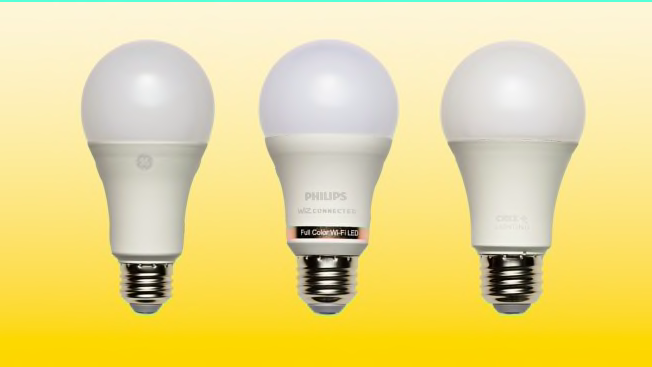
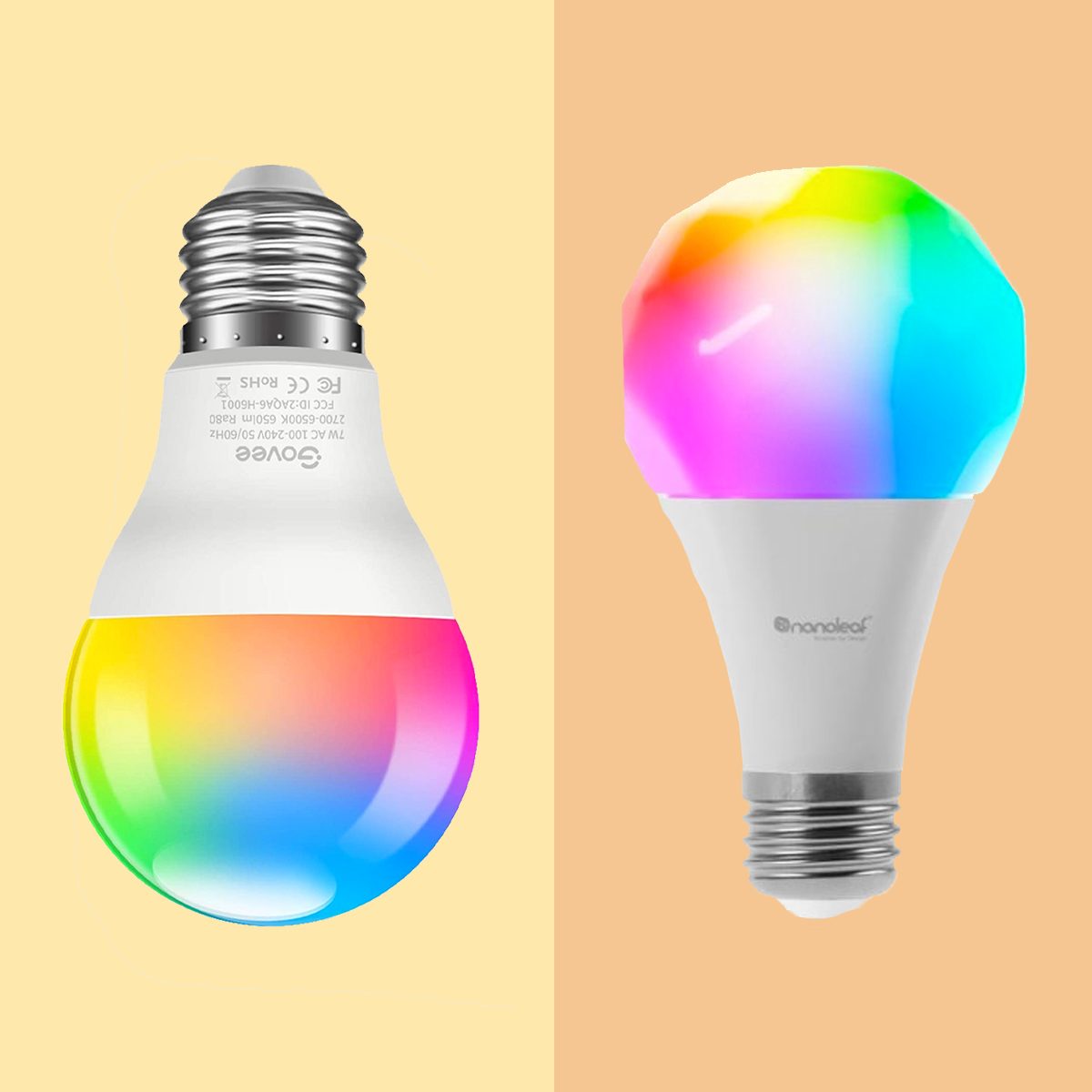
Smart LEDs let you change colors and brightness using apps or voice control. They add comfort and flexibility.
Some smart bulbs can save energy by turning off automatically. They can also sync with your daily routines.
- Control bulbs with your smartphone or voice assistants
- Choose bulbs with adjustable color temperature
- Look for bulbs with scheduling and dimming features
Credit: www.consumerreports.org
Common Mistakes To Avoid
Choosing the right color LED bulbs for your home can change the room’s look and feel. Many people make simple mistakes that affect lighting quality.
Understanding these common errors helps you pick better bulbs and improve your home lighting.
Overlooking Color Consistency
Color consistency means all bulbs show the same shade of light. Using bulbs with different color temperatures creates uneven lighting.
This makes rooms look patchy and less comfortable. Always check the color temperature on the bulb’s packaging.
- Match bulbs by color temperature (measured in Kelvins)
- Use warm white (2700K-3000K) for cozy rooms
- Use cool white (3500K-4100K) for workspaces
- Avoid mixing bulbs with different colors
Neglecting Dimmer Compatibility
Not all LED bulbs work with dimmer switches. Using incompatible bulbs causes flickering or buzzing sounds.
Check if the LED bulbs say “dimmable” on the box. Also, confirm your dimmer switch supports LED bulbs.
- Buy dimmable LED bulbs for rooms with dimmers
- Use LED-compatible dimmer switches
- Test bulbs before full installation
Ignoring Fixture Specifications
Light fixtures have limits on bulb size and wattage. Ignoring these can cause bulbs to fit poorly or overheat.
Check fixture instructions before buying bulbs to ensure proper fit and safe use.
- Look for maximum wattage allowed on fixture
- Check bulb base type (e.g., E26, GU10)
- Measure space inside fixture for bulb size
- Use bulbs designed for your fixture type
Credit: www.familyhandyman.com
Frequently Asked Questions
What Color Led Bulbs Are Best For Living Rooms?
Warm white LED bulbs (2700K-3000K) create a cozy and inviting atmosphere in living rooms. They enhance comfort and relaxation.
Which Led Bulb Color Suits Bedrooms For Better Sleep?
Soft white or warm white LED bulbs promote calmness and help improve sleep quality in bedrooms. Avoid cool white colors.
Can Led Bulb Colors Affect Home Productivity?
Yes, cool white or daylight LED bulbs (4000K-6500K) boost alertness and focus, making them ideal for home offices.
What Led Bulb Color Is Best For Kitchens?
Bright white or daylight LED bulbs provide clear, vibrant lighting perfect for kitchens and food preparation areas.
Conclusion
Choosing the right LED bulb color changes your home’s mood and look. Warm white bulbs create a cozy and relaxing space. Cool white bulbs make rooms feel bright and clean. Soft colors help with calmness and focus in different areas.
Think about each room’s use when picking colors. This way, you get comfort and style together. Bright, soft, or natural light – each has its place. Your home will shine with the perfect LED colors. Simple choices bring big differences.