Choosing the right LED bulb for your home can feel confusing with so many options available. You want something that saves energy, lasts long, and creates the perfect light for your space.
But how do you know which LED bulb is best for your needs? This guide will help you make a smart choice, so your home feels brighter, cozier, and more efficient. Keep reading to discover simple tips and clear answers that will save you time and money.
Your perfect LED bulb is closer than you think!
Factors To Consider
Choosing the right LED bulb for your home requires attention to a few key factors. These factors affect comfort, cost, and lighting quality.
This guide explains the main points to help you pick the best LED bulb for your needs.
Brightness And Lumens
Brightness of an LED bulb is measured in lumens. Higher lumens mean more light output. The right brightness depends on the room size and its use.
- Living rooms usually need 1,500 to 3,000 lumens.
- Bedrooms work well with 1,000 to 2,000 lumens.
- Kitchens and work areas need brighter light, around 4,000 lumens.
Color Temperature
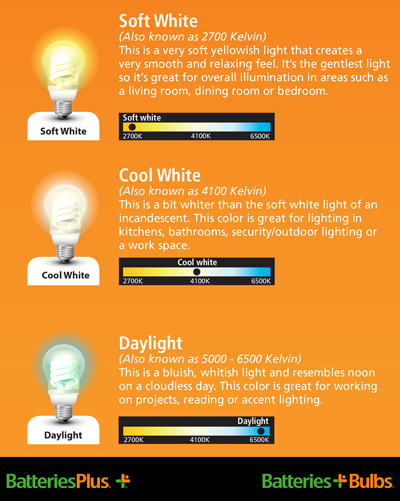
Color temperature tells you how warm or cool the light looks. It is measured in Kelvins (K). Lower numbers mean warmer light, and higher numbers mean cooler light.
| Color Temperature (K) | Light Appearance | Best Use |
| 2700K – 3000K | Warm white | Living rooms, bedrooms |
| 3500K – 4100K | Neutral white | Kitchens, bathrooms |
| 5000K – 6500K | Cool white/daylight | Work areas, garages |
Energy Efficiency
Energy efficiency saves money and reduces electricity use. Look for bulbs with a high lumens per watt (lm/W) rating. This shows how much light you get for each watt used.
- Choose bulbs labeled ENERGY STAR® for quality and savings.
- Use dimmable LEDs if you want to adjust light levels and save energy.
- Check the wattage equivalent to replace old bulbs correctly.
Types Of Led Bulbs
LED bulbs come in different types for home use. Each type has unique features and uses.
Choosing the right LED bulb helps save energy and improve lighting comfort.
Standard Bulbs
Standard LED bulbs are the most common for home lighting. They fit most fixtures easily.
These bulbs use little power and last longer than traditional bulbs.
- Available in various brightness levels
- Use less energy than incandescent bulbs
- Work well for general room lighting
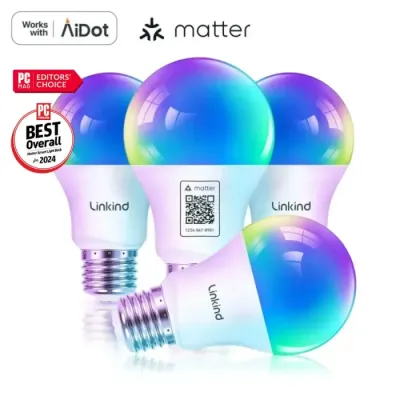
Smart Bulbs
Smart LED bulbs connect to Wi-Fi or Bluetooth. You can control them with a phone or voice.
They offer color changes and scheduling for convenience and mood lighting.
- Change colors to fit any mood
- Set timers to turn on or off
- Control remotely from anywhere
Dimmable Options
Dimmable LED bulbs let you adjust brightness as needed. They save energy and create ambiance.
Use dimmable bulbs in living rooms or bedrooms for flexible lighting.
- Compatible with dimmer switches
- Reduce brightness without flickering
- Help save electricity when dimmed
Benefits Of Led Bulbs
LED bulbs use less energy than traditional bulbs. They save money on electricity bills. Many people choose LEDs for their homes.
These bulbs last much longer. They also help protect the environment. Understanding their benefits can guide your choice.
Cost Savings
LED bulbs use up to 80% less electricity than incandescent bulbs. This lowers your monthly energy costs.
- Lower power use means smaller bills
- Less heat produced saves on cooling costs
- Long life reduces replacement costs
Longevity
LED bulbs last much longer than traditional bulbs. They can work for 15,000 to 50,000 hours.
| Bulb Type | Average Lifespan |
| Incandescent | 1,000 hours |
| Compact Fluorescent (CFL) | 8,000 hours |
| LED | 25,000 to 50,000 hours |
Environmental Impact
LED bulbs help reduce carbon emissions by using less energy. They do not contain harmful chemicals like mercury.
Benefits for the environment include:
- Lower greenhouse gas emissions
- Less waste due to longer life
- Safe disposal without toxic materials

Credit: www.amazon.ca
Popular Brands
Choosing the right LED bulb for your home means looking at trusted brands. Many brands offer bulbs with different features and prices.
This guide shows three popular brands known for quality LED bulbs. They have options for brightness, color, and energy use.
Philips Hue
Philips Hue bulbs are smart lights you can control with your phone. They offer many colors and dimming options.
These bulbs connect to Wi-Fi and work with smart home systems. They are good for people who want flexible lighting.
- Wide range of colors and shades
- Works with Alexa, Google Assistant, and Apple HomeKit
- Easy to control using an app
- Higher price than basic LED bulbs
Cree Lighting
Cree Lighting makes LED bulbs that focus on brightness and energy saving. They are simple and reliable.
Cree bulbs often have a warm light that works well in living rooms and bedrooms. They are budget-friendly and last long.
- Good energy efficiency
- Long lifespan
- Warm white light options
- Affordable pricing
Ge Lighting
GE Lighting offers a mix of smart and regular LED bulbs. Their bulbs provide clear, bright light for homes.
GE bulbs suit different fixtures and rooms. They focus on quality and consistent light output.
- Variety of smart and standard bulbs
- Good color accuracy
- Compatible with many fixtures
- Reliable brightness levels
Installation Tips
Installing the right LED bulb for your home can save energy and brighten your space. Proper installation helps the bulb last longer and work safely.
Follow simple tips to choose the best fixture, ensure compatibility, and stay safe during installation.
Choosing The Right Fixture
Select fixtures that match your LED bulb’s size and shape. This helps the bulb fit well and spread light evenly.
- Check fixture size before buying bulbs
- Use fixtures designed for LED bulbs
- Choose fixtures with good ventilation to prevent heat build-up
- Pick fixtures that match your room’s style and lighting needs
Ensuring Compatibility
Not all LED bulbs work with every fixture or dimmer switch. Check compatibility to avoid flickering or damage.
| Bulb Type | Fixture Type | Dimmer Compatibility |
| Standard LED | Most fixtures | Use LED-compatible dimmers |
| Dimmable LED | Fixtures with dimmers | Required for dimming |
| Smart LED | Wi-Fi or Bluetooth fixtures | Controlled via app |
Safety Precautions
Safety is key when installing LED bulbs. Turn off power and handle bulbs carefully to avoid accidents.
- Switch off power at the circuit breaker before installation
- Use a sturdy ladder if needed for high fixtures
- Hold bulbs by the base, not the glass
- Do not force bulbs into the socket
- Dispose of old bulbs properly
Credit: www.aidot.com
Common Myths
Many people have wrong ideas about LED bulbs for home use. These myths can stop you from choosing the best lighting.
We will look at three common myths about LED bulbs. Understanding the truth helps you pick the right bulb.
Led Bulbs And Heat
Some think LED bulbs get very hot like old bulbs. Actually, LEDs produce much less heat. This makes them safer for home use.
LED bulbs use special materials to keep cool. This helps them last longer and use less energy.
Brightness Misconceptions
People often believe LED bulbs are not as bright as traditional bulbs. This is not true. LED brightness is measured in lumens, not watts.
- More lumens mean brighter light.
- LED bulbs can match or exceed old bulb brightness with less power.
- Check lumens on the package to find the right brightness.
- Color temperature affects how bright the light feels.
Durability Issues
Some believe LED bulbs break easily. Actually, they are very durable. LEDs have no fragile filaments inside.
| Myth | Fact |
| LED bulbs break like glass bulbs | LEDs use strong plastic and last longer |
| LED bulbs stop working quickly | They can last up to 25,000 hours or more |
| LEDs are sensitive to power changes | Most LEDs work well with normal home voltage |
Future Trends
LED bulbs are changing fast to fit new home needs. They use less energy and last longer than old bulbs.
New ideas help LED bulbs work better with smart homes. They also look nicer and save more power.
Smart Home Integration
LED bulbs now work with smart devices like phones and voice assistants. You can control lights from anywhere.
This lets you set schedules and change colors easily. It helps save energy and makes your home more comfortable.
- Remote control via apps
- Voice command support
- Automatic lighting schedules
- Integration with smart home systems
Advanced Energy Solutions
New LED bulbs use less power while giving bright light. They help reduce electricity bills.
Some bulbs have sensors that turn lights off when no one is in the room. This saves even more energy.
- Low power consumption
- Motion and daylight sensors
- Longer lifespan
- Better light quality with less energy
Innovative Designs
LED bulbs come in many shapes and sizes to fit any home style. Some bulbs change color or brightness smoothly.
Designs now include dimmable bulbs and bulbs that fit small fixtures. This adds style and function to your lighting.
- Color-changing options
- Dimmable bulbs
- Compact and decorative shapes
- Customizable lighting effects
Credit: www.batteriesplus.com
Frequently Asked Questions
What Type Of Led Bulb Is Best For Home Use?
The best LED bulbs for home use are soft white (2700K-3000K). They provide warm, cozy lighting ideal for living rooms and bedrooms. Choose dimmable bulbs for adjustable brightness. Ensure the bulb’s lumen output matches your room size and purpose for optimal lighting.
How To Choose Led Bulbs For Different Rooms?
Select warm white bulbs for bedrooms and living areas. Use bright white or daylight bulbs (4000K-6500K) for kitchens and workspaces. Consider bulb shape and beam angle to suit fixtures. Always check compatibility with dimmers or smart home systems before purchase.
Are Energy-efficient Led Bulbs Worth The Investment?
Yes, energy-efficient LED bulbs save electricity and reduce bills. They last longer than incandescent bulbs, lowering replacement costs. Though initially pricier, their durability and low energy use make them cost-effective for home lighting over time.
Can Led Bulbs Affect Home Ambiance?
Absolutely, LED bulbs influence ambiance significantly. Warm LEDs create a relaxing atmosphere, while cool LEDs boost focus and energy. Using dimmable LEDs allows mood adjustment. Choose color temperature and brightness based on room function for the best effect.
Conclusion
Choosing the right LED bulb for your home brings many benefits. It saves energy and lowers electricity bills. Brightness and color options help set the perfect mood. Durability means fewer replacements and less waste. Consider room size and bulb type for best results.
Quality matters for safety and comfort. A good LED bulb makes your home brighter and more inviting. Take time to pick one that fits your needs well. Simple steps lead to better lighting every day.