Are you wondering if you can put a dining table in your living room? Maybe you have limited space or just want a fresh look for your home.
Placing a dining table in the living room can be a smart and stylish choice—but only if you do it right. You’ll discover simple tips to make your space functional and inviting. By the end, you’ll know exactly how to create a cozy spot where you can eat, work, and relax without feeling cramped.
Keep reading to transform your living room into a multi-purpose area that fits your lifestyle perfectly.
Benefits Of A Dining Table In The Living Room
Putting a dining table in the living room is a smart idea for many homes. It saves space and makes the room more useful.
This setup creates a cozy area for meals and gatherings without needing a separate dining room.
Maximizes Space In Small Homes
Living rooms often have more space than dining rooms. Adding a dining table here uses space well. It helps keep the home open and less crowded.
Encourages Family Interaction
Having a dining table in the living room helps family members spend more time together. Meals become a chance to talk and share the day’s stories.
- Easy to join in conversations
- Kids can do homework nearby
- Adults can relax after meals without moving far
Enhances Room Functionality
A dining table in the living room adds a work or play area. It can be used for crafts, games, or as a desk when needed.
| Use | Benefit |
|---|---|
| Eating | Comfortable place for meals |
| Working | Extra surface for laptops or papers |
| Playing | Space for board games and puzzles |
Improves Home Aesthetics
A well-chosen dining table adds style to the living room. It can match other furniture and create a balanced look.
Choosing The Right Dining Table
Putting a dining table in your living room is a smart choice for many homes. It can create a cozy space for meals and gatherings.
To pick the right table, think about the size, shape, and material. This will help the table fit well and look good.
Size Considerations
Measure your living room space before buying a dining table. The table should not block walking paths or crowd the room.
- Leave at least 36 inches around the table for movement
- Choose a table size that fits the number of people you want to seat
- Consider foldable or extendable tables for flexibility
Shape And Design
The shape of your table affects how it fits in the room. Round tables save space and create a soft look. Rectangular tables fit long walls well.
| Shape | Best For |
| Round | Small spaces, casual dining |
| Rectangular | Long rooms, formal dining |
| Square | Square rooms, equal seating |
| Oval | Soft edges, fits many rooms |
Material Choices
Dining tables come in many materials. Pick one that fits your style and is easy to keep clean in your living room.
Common materials include:
- Wood: classic and sturdy
- Glass: modern and light
- Metal: durable and industrial
- Marble: elegant but heavy
Space-saving Furniture Ideas
Putting a dining table in the living room can save space in small homes. Choosing the right furniture helps keep the room open and comfortable.
There are many smart furniture options designed to fit small spaces. These ideas help you use your living room for dining without feeling crowded.
Extendable Tables
Extendable tables are great for small living rooms. They stay compact when not in use and expand for meals or guests.
- Use small tables that fold out when needed
- Choose lightweight materials for easy moving
- Pick tables with extra storage under the top
Foldable Chairs
Foldable chairs save space by tucking away after use. They are easy to store and bring out for extra seating.
| Chair Type | Storage Space | Weight |
| Wooden Folding Chair | Medium | Heavy |
| Plastic Folding Chair | Low | Light |
| Metal Folding Chair | Low | Medium |
Multi-purpose Furniture
Multi-purpose furniture fits multiple needs in one piece. It saves space and adds function to your living room.
- Sofa beds for seating and sleeping
- Ottomans with storage inside
- Tables with built-in shelves or drawers
Creating A Cohesive Design
Putting a dining table in the living room can work well with the right design. It helps to create a space that feels connected and balanced. Paying attention to details makes the room look neat and inviting.
Here are some key ideas to help you design a living room with a dining table that fits perfectly. Focus on color, texture, and decor balance to unify the areas.
Color Coordination
Using similar or matching colors in both areas ties the dining and living spaces together. Choose colors that complement each other for walls, furniture, and accessories. This creates a smooth flow from one area to the next.
- Pick a main color to use in both spaces
- Add accent colors through cushions, rugs, or curtains
- Use neutral tones to balance bright colors
- Match dining chairs with living room seating
Matching Textures
Textures add depth and interest to a room. When the dining table and living room have similar textures, the areas feel connected. Mix soft and hard surfaces for a balanced look.
| Living Room | Dining Area |
| Soft fabric sofa | Wooden dining table |
| Wool rug | Wooden or metal chairs |
| Glass coffee table | Glass vase or centerpiece |
Balancing Decor Elements
Balance decor items so neither space feels crowded or empty. Use similar styles or themes in both areas. This helps the dining table fit naturally in the living room.
- Place artwork that matches both spaces’ style
- Use lighting fixtures with a similar design
- Add plants or candles in both areas
- Keep a consistent floor covering like a rug or carpet
Maximizing Functionality
Placing a dining table in the living room can help use your space well. It adds a place to eat without needing a separate room.
To make this work, plan how the space will serve different needs. This keeps your living room organized and useful.
Zoning The Space
Create clear areas for dining and relaxing. Use rugs or furniture placement to mark these zones without walls.
- Place the dining table near a window for natural light
- Use a different rug under the table to define the dining area
- Keep pathways clear between zones to avoid crowding
- Use lighting to highlight each area separately
Flexible Layouts
Choose furniture that moves easily. This helps change the room for different needs, like more seating or open space.
| Furniture Type | Benefit | Example |
| Extendable Table | Adjust size for guests | Drop-leaf or foldable tables |
| Stackable Chairs | Save space when not used | Lightweight plastic or metal chairs |
| Movable Storage | Easy to rearrange | Storage carts on wheels |
Smart Storage Solutions
Keep dining and living items organized with smart storage. This keeps the room neat and ready for use.
- Use benches with storage under the seat for extra dining chairs or cushions.
- Add shelves or cabinets near the dining table for plates and glasses.
- Choose coffee tables with hidden compartments for magazines or remotes.
- Use decorative baskets to store toys or blankets neatly.
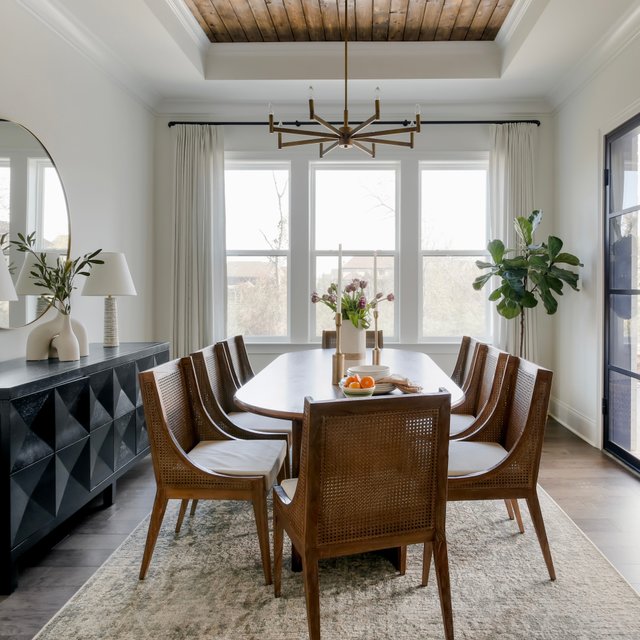
Credit: www.kathykuohome.com
Lighting Tips For Dual-use Spaces
Using one room as both a dining area and a living room needs smart lighting. Good lighting helps separate the spaces and makes the room more comfortable.
Focus on different lighting types to create a balanced look. This way, you get the right light for eating and relaxing.
Layered Lighting
Layered lighting means using many light sources at different levels. It adds depth and warmth to the room.
- Use ceiling lights for general brightness.
- Add table lamps or floor lamps for coziness.
- Include wall sconces for soft background light.
Task And Ambient Options
Task lighting shines on areas where you need more light. Ambient lighting fills the whole room with soft light.
| Type | Purpose | Examples |
| Task Lighting | Focus on work or eating | Pendant lights, desk lamps |
| Ambient Lighting | General room brightness | Ceiling fixtures, recessed lights |
Highlighting Key Areas
Use light to draw attention to dining or seating spots. This helps divide the room visually.
- Place a chandelier above the dining table.
- Use spotlights on artwork or shelves.
- Add LED strips under cabinets or shelves.
Incorporating Personal Style
Putting a dining table in your living room can change the space a lot. It lets you mix dining and relaxing areas. Personal style makes this setup feel like your own.
Adding your touch helps the room look cozy and unique. You can use accents, patterns, and art to show who you are.
Choosing Accents
Accents add small but strong style points to your dining and living space. Pick pieces that match your taste and the room’s colors.
Accents can be cushions, vases, or lamps. Use them to highlight your favorite colors or themes.
- Throw pillows with bold colors
- Unique candle holders on the table
- Decorative bowls or trays
- Small plants or flowers
Mixing Patterns
Mixing patterns creates a lively and fun room. Use different shapes and designs on fabrics and rugs.
Keep colors similar to avoid clashing. This helps the space feel connected and balanced.
- Striped cushions with floral curtains
- Geometric rugs with solid chairs
- Polka dots with simple tablecloths
Adding Art And Decor
Art and decor show your personality clearly. Choose pieces that tell a story or make you happy.
Wall art, sculptures, or framed photos work well near your dining table. They create a warm and inviting space.
- Paintings or prints with your favorite colors
- Framed photos of family or travel
- Decorative plates or mirrors
- Small sculptures or figurines

Credit: www.tailoredinterior.ca
Real-life Examples And Inspiration
Many people wonder if they can put a dining table in their living room. This idea works well in many homes. It saves space and creates a cozy eating area.
Below are some real-life examples and ideas. They show how to use space smartly and make rooms look great.
Small Apartment Solutions
Small apartments often do not have a separate dining room. Placing a dining table in the living room can solve this problem. It adds function without crowding the space.
- Choose a foldable or extendable table for more space when needed.
- Use chairs that can tuck under the table to save room.
- Place the table near a window to keep the area bright.
- Add a small rug under the table to define the dining spot.
Open Floor Plan Ideas
Open floor plans combine living and dining areas in one large space. A dining table in the living room helps divide the space visually. It keeps the flow open but organized.
| Layout Type | Dining Table Placement | Benefits |
| Linear | Along one wall | Easy access, clear walkway |
| Island Style | Center of the room | Creates natural room division |
| Corner | Near a corner sofa | Cozy and space-saving |
Creative Space Transformations
Some homes use a dining table in living rooms in unique ways. These ideas show how to blend style and function.
- Use a bench on one side for flexible seating.
- Add plants around the table to create a fresh feel.
- Mix dining chairs with living room furniture for a unified look.
- Choose a table with storage for extra space.
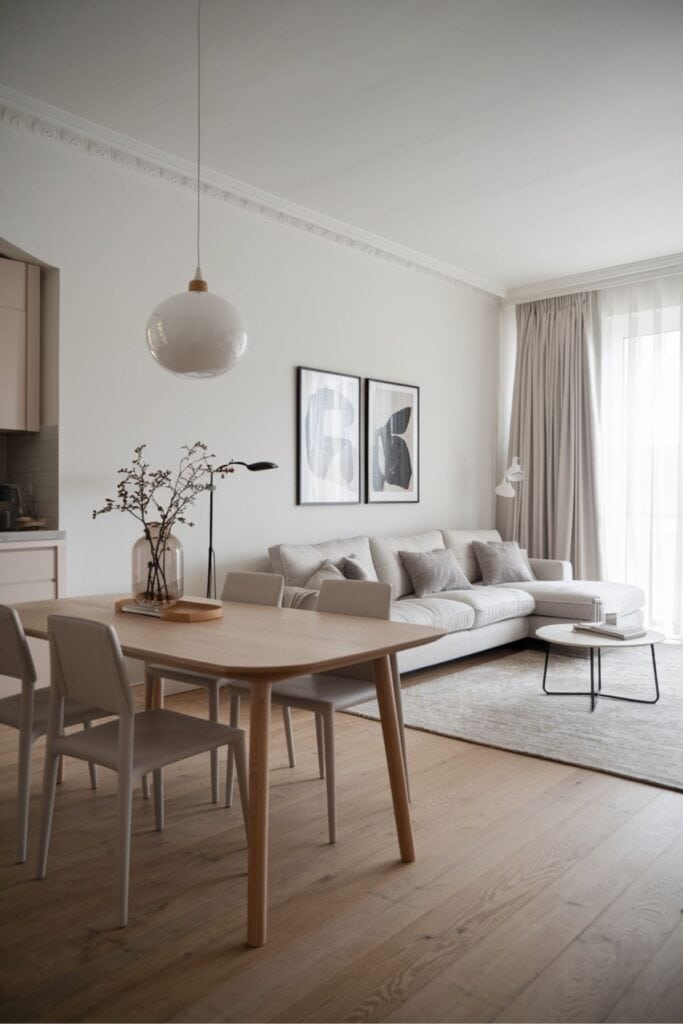
Credit: abloomdecor.com
Frequently Asked Questions
Can A Dining Table Fit Comfortably In A Living Room?
Yes, a dining table can fit comfortably in most living rooms. Choose a size that suits the space and allows easy movement around it. Consider multifunctional furniture to maximize space and maintain a balanced layout.
What Are The Benefits Of Placing A Dining Table In Living Room?
Placing a dining table in the living room creates a versatile space for dining and socializing. It enhances room functionality and encourages family interaction. This setup is ideal for smaller homes or open-concept layouts.
How To Choose The Right Dining Table For Living Room?
Select a dining table that complements your living room’s style and size. Opt for compact or extendable tables to save space. Materials and colors should blend well with existing decor for a cohesive look.
Does Putting A Dining Table In Living Room Affect Decor?
A dining table in the living room can enhance decor if chosen carefully. It adds visual interest and defines areas without walls. Proper placement and styling ensure the space remains inviting and organized.
Conclusion
A dining table can fit well in a living room space. It creates a cozy spot for meals and gatherings. Think about the room size and furniture arrangement first. Choose a table that matches your style and needs. This setup saves space and adds function to one area.
Use good lighting to make the space inviting. A living room with a dining table can feel warm and practical. Try it out and see how it works for you.