
Have you ever stopped to wonder when light bulbs became a regular part of your home? It’s hard to imagine life without that simple glow brightening your evenings.
But there was a time when most homes were dark as night once the sun went down. Knowing when and how light bulbs became common can change the way you see your everyday comfort. Keep reading, and you’ll discover the surprising story behind the switch that lit up your life—and why it matters to you today.
Credit: blog.1000bulbs.com
Early Innovations In Lighting
Lighting has changed a lot over time. People have always tried to find better ways to light their homes.
Before electric bulbs, many different methods gave light. These early ideas made modern lights possible.
Oil Lamps And Candles
Oil lamps and candles were common long before electric lights. They burned oil or wax to produce light.
People used these light sources for hundreds of years. They were simple but had limits, like smoke and weak light.
Gas Lighting
Gas lighting started in the early 1800s. It used burning gas to give brighter light than candles or oil lamps.
- Gas was piped into homes and streets
- It improved safety and light quality
- Gas lamps needed regular maintenance
- They produced heat and some pollution
The First Electric Lights
Electric lighting began in the late 1800s. Early bulbs used filaments heated by electricity to glow.
| Inventor | Contribution | Year |
| Humphry Davy | Electric arc light | 1809 |
| Joseph Swan | Carbon filament bulb | 1878 |
| Thomas Edison | Practical incandescent bulb | 1879 |
Credit: www.familyhandyman.com
Edison’s Breakthrough
Thomas Edison helped make light bulbs common in homes. His work improved earlier designs. People could use electric light safely and affordably.
Edison focused on making a bulb that lasted longer and used less power. This made electric lighting practical for everyday use.
Invention Of The Incandescent Bulb
The incandescent bulb uses a thin wire that heats up and glows when electricity passes through. Edison tested many materials for this wire.
- Edison tried carbonized cotton thread as a filament.
- He tested bamboo fibers for durability.
- He finally used a carbon filament that lasted over 1,200 hours.
Patents And Competitions
Edison was not the only inventor working on light bulbs. Many people filed patents in the late 1800s.
| Inventor | Contribution | Year |
| Joseph Swan | Early incandescent bulb in England | 1878 |
| Hiram Maxim | Improved filament design | 1880 |
| Thomas Edison | Long-lasting carbon filament bulb | 1879 |
The Rise Of Electrification
Electricity changed how people lived and worked in the early 1900s. Light bulbs became common as homes gained access to electric power.
The spread of electrical grids made it possible for many families to enjoy electric lighting. This process took time and varied by location.
The Spread Of Electrical Grids
Electrical grids started in cities and grew outward to towns and rural areas. Early electric companies built wires and power stations to supply homes.
- Cities had higher demand and faster grid expansion
- Factories and businesses used electricity first
- Homes connected as wires reached neighborhoods
- Governments supported grid growth with regulations
Rural Vs Urban Adoption
Urban areas got electric lighting much earlier than rural areas. Many farms and small towns waited decades for grid access.
| Area Type | Year Light Bulbs Became Common | Reason |
| Urban | 1900s to 1920s | Close to power plants and high demand |
| Rural | 1930s to 1950s | Long distances and low population density |
Cost And Accessibility
The introduction of light bulbs into homes changed how people lived at night. The cost and availability of light bulbs played a big part in how fast homes started using them.
At first, light bulbs were expensive and hard to find. Over time, prices dropped and more people could afford them. This made electric lighting common in many homes.
Initial Costs And Economic Factors
Early light bulbs were costly because of the materials and technology needed. Many families could not pay for electric wiring and bulbs at once. The price included buying bulbs and installing electric lines.
- The first bulbs used tungsten filaments, which were costly to make.
- Electricity was not always available in all areas.
- Installing electric wiring in homes was a major expense.
- People had to weigh the cost against the benefit of electric light.
Manufacturing And Mass Production
Mass production helped lower the price of light bulbs. Factories made bulbs faster and cheaper. This made bulbs easier to buy for many families.
| Year | Approximate Cost per Bulb | Production Method |
|---|---|---|
| 1880s | $10.00 | Handmade |
| 1900s | $2.00 | Early Assembly Line |
| 1920s | $0.50 | Mass Production |
| 1940s | $0.25 | Modern Factory Methods |
Cultural And Social Impact
Light bulbs became common in homes in the early 20th century. This change affected how people lived and interacted. Electric light extended the day beyond sunset.
The arrival of electric lighting brought many cultural and social changes. It influenced work, leisure, and social habits.
Changes In Daily Life
Electric light made it easier to do tasks after dark. People could read, cook, and work at night. This increased productivity in homes.
Households no longer depended on candles or gas lamps. Homes became safer and cleaner. Electric lights reduced fire risks and soot.
- Longer hours for studying and reading
- More time for evening meals and socializing
- Improved home safety and cleanliness
- Work could continue after sunset
Impact On Society And Culture
Electric lighting changed social habits and culture. It allowed people to attend events and gatherings at night. Cities became lively after dark.
Light bulbs also influenced entertainment and business hours. Shops and theaters stayed open later. This helped the economy and community life.
- Nighttime social events became common
- Extended business and shop hours
- Growth of nightlife and entertainment
- Stronger community connections
Global Adoption
Light bulbs began to appear in homes in the late 19th century. Their use grew as electricity became available worldwide. The spread of electric lighting changed how people lived and worked.
Different countries adopted light bulbs at different times. The speed of adoption depended on technology, economy, and infrastructure.
Variations Across Different Regions
In North America and Europe, light bulbs became common in homes by the early 1900s. These regions had fast access to electric power grids. Many cities started installing street lights and wiring homes.
In Asia, adoption took longer. Some countries used gas lamps before switching to electric lights. Rural areas often waited decades for electricity to reach them.
- North America and Europe: widespread use by 1920s
- Asia and Africa: slower adoption, mainly urban areas first
- Rural regions worldwide: electricity and light bulbs arrived last
Influence Of World Events
World wars slowed the spread of electric lighting. Resources went to military needs instead of home improvements. Many factories stopped making light bulbs during wartime.
The Great Depression also affected adoption. People had less money to buy electric appliances. After World War II, there was rapid growth in electric lighting as economies recovered.
- World War I and II: slowed production and distribution
- Great Depression: reduced consumer spending on new technology
- Post-World War II: fast growth in home electrification
Transition To Modern Lighting
The light bulb changed how people lit their homes. It made rooms brighter and safer. Over time, lighting technology improved a lot.
Many factors helped the switch from old lamps to modern bulbs. These changes affected daily life and the environment.
Introduction Of New Technologies
Electric light bulbs first appeared in the late 1800s. Early bulbs used carbon filaments but soon changed to tungsten. New designs made bulbs last longer and use less power.
- Incandescent bulbs were common but used a lot of energy.
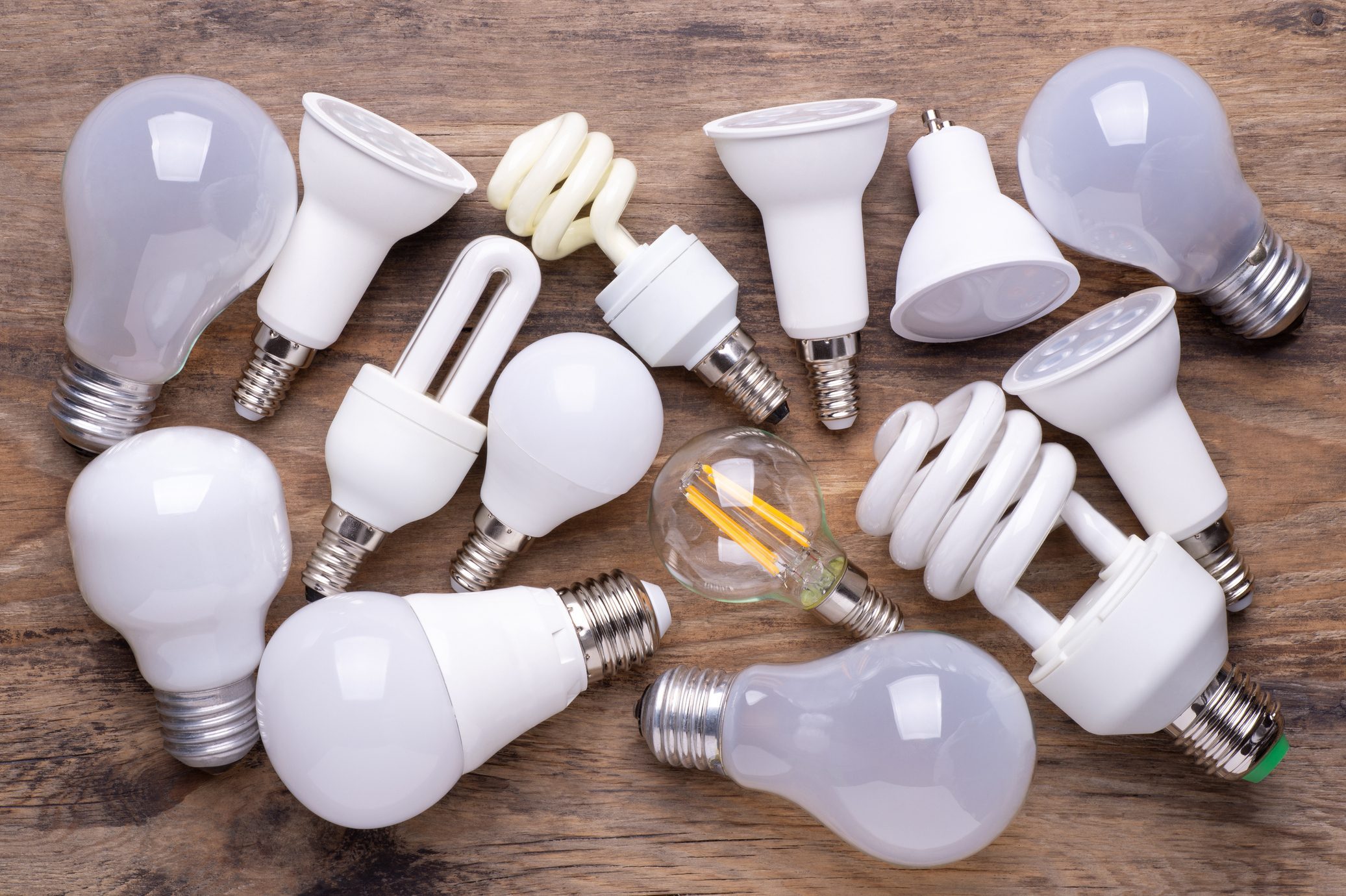
- Fluorescent lights came next, saving more electricity.
- LED bulbs arrived later, lasting longer and cutting costs.
- Smart bulbs allow remote control and color changes.
Environmental Considerations
People started thinking about how lighting affects the planet. Using less energy helps reduce pollution and saves money on bills.
| Lighting Type | Energy Use | Lifespan |
| Incandescent | High | 1,000 hours |
| Fluorescent | Medium | 8,000 hours |
| LED | Low | 25,000 hours |

Credit: cen.acs.org
Frequently Asked Questions
When Did Light Bulbs Become Common In Homes?
Light bulbs became common in homes during the early 1900s. Widespread electrification and affordable bulbs helped households switch from gas lamps to electric lighting by the 1920s and 1930s.
Who Invented The First Practical Light Bulb?
Thomas Edison is credited with inventing the first practical incandescent light bulb in 1879. His design improved bulb lifespan and made electric lighting commercially viable.
How Did Light Bulbs Change Home Life?
Light bulbs extended productive hours and improved safety in homes. They replaced dangerous candles and gas lamps, making homes brighter and more convenient after dark.
What Types Of Light Bulbs Were First Used In Homes?
Early homes mostly used incandescent bulbs. These bulbs produced light by heating a filament inside a glass enclosure and remained popular until energy-efficient bulbs emerged.
Conclusion
Light bulbs started appearing in homes in the early 1900s. They quickly became a part of everyday life. People enjoyed the bright, safe light inside their houses. Over time, bulbs became cheaper and easier to find. Today, almost every home uses electric light bulbs.
This simple invention changed how we live and work after dark. Understanding its history helps us appreciate modern lighting more. Light bulbs truly lit up the world, one home at a time.