
Choosing the right light bulbs for your home might seem simple, but it can actually make a big difference in how your space feels and functions. Have you ever noticed how some rooms feel cozy and inviting, while others feel harsh or dull?
The secret often lies in the bulbs you use. If you want to save money, enjoy better lighting, and create the perfect atmosphere in every room, this guide is for you. Keep reading to discover the best light bulbs that fit your needs and transform your home instantly.
Types Of Light Bulbs
Choosing the right light bulbs can change how your home feels. Different bulbs use different technology and energy.
Each type of bulb has its own brightness, energy use, and lifespan. Knowing these helps you pick the best one.
Led Bulbs
LED bulbs use light-emitting diodes to produce light. They use very little energy and last a long time.
LEDs come in many colors and brightness levels. They are good for most rooms and save money on electricity.
Cfl Bulbs
CFL stands for compact fluorescent lamp. These bulbs use less energy than old bulbs but more than LEDs.
CFLs take some time to reach full brightness. They also contain a small amount of mercury, so handle them carefully.
Halogen Bulbs
Halogen bulbs are a type of incandescent bulb with a halogen gas inside. They give bright, white light.
They use more energy than LEDs and CFLs but less than regular incandescent bulbs. They work well for spotlights.
Incandescent Bulbs
Incandescent bulbs are the oldest type. They use a wire inside that glows when electricity passes through.
These bulbs use a lot of energy and have a short life. They are less common now but still used for warm light.

Credit: www.cnet.com
Energy Efficiency Comparison
Choosing the right light bulb affects your home’s energy use. Some bulbs save more energy than others. This helps reduce electricity bills and environmental impact.
This guide compares bulbs based on energy consumption, lifespan, and cost effectiveness. It will help you pick the best option for your needs.
Energy Consumption
Energy consumption shows how much electricity a bulb uses. LED bulbs use the least energy. CFL bulbs use more. Incandescent bulbs use the most.
| Bulb Type | Watts Used (Equivalent Brightness) |
| LED | 8-12 Watts |
| CFL | 13-15 Watts |
| Incandescent | 60 Watts |
Lifespan
Lifespan tells how long a bulb lasts. LEDs last the longest, followed by CFLs. Incandescent bulbs have the shortest life.
- LED bulbs: about 15,000 to 25,000 hours
- CFL bulbs: about 8,000 to 10,000 hours
- Incandescent bulbs: about 1,000 to 2,000 hours
Cost Effectiveness
Cost effectiveness includes the price, energy used, and how long the bulb lasts. LEDs cost more upfront but save money over time. Incandescents are cheap but cost more to run.
| Bulb Type | Average Price | Energy Cost per Year | Replacement Frequency |
|---|---|---|---|
| LED | $5 – $10 | $1 – $2 | Every 5-10 years |
| CFL | $2 – $5 | $2 – $3 | Every 2-3 years |
| Incandescent | $1 | $6 – $7 | Every 1 year |
Light Quality And Brightness
Choosing the right light bulbs for your home is important. Good lighting helps you see clearly and feel comfortable.
Light quality and brightness affect how a room looks and feels. Knowing these factors helps you pick the best bulbs.
Lumens And Wattage
Lumens measure how bright a bulb is. The higher the lumens, the brighter the light.
Wattage shows how much energy a bulb uses. Lower wattage means less electricity use.
- Look for bulbs with higher lumens for bright light.
- Choose lower wattage bulbs to save energy.
- LED bulbs give bright light with low wattage.
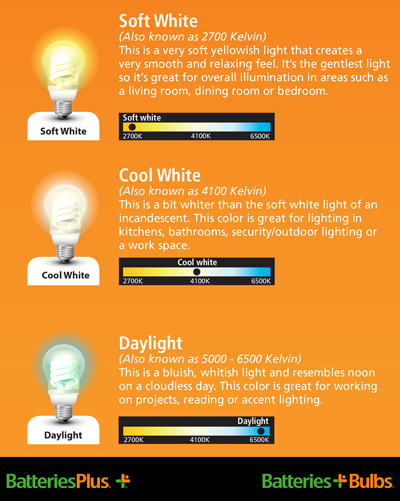
Color Temperature
Color temperature tells you the color of the light. It is measured in Kelvins (K).
Warm light (2700K–3000K) feels cozy. Cool light (4000K–5000K) feels bright and clear.
- Warm light is good for living rooms and bedrooms.
- Cool light works well in kitchens and work areas.
- Neutral light (3500K) fits many spaces.
Dimming Capabilities
Dimmable bulbs let you adjust the light level. This creates the right mood and saves energy.
Not all bulbs work with dimmer switches. Check the package to be sure.
- Use dimmable LED bulbs for flexible lighting.
- Dimming helps in dining rooms and bedrooms.
- Non-dimmable bulbs stay at full brightness.
Credit: www.batteriesplus.com
Eco-friendly Options
Choosing the right light bulbs can help protect the environment. Eco-friendly bulbs use less energy and reduce waste.
Many people want bulbs that are safe for the planet and easy to recycle. This guide explains what to look for.
Recyclable Materials
Eco-friendly light bulbs are made from materials that can be recycled. This helps lower trash in landfills.
Look for bulbs with glass and metal parts that local recycling centers accept. Avoid bulbs with plastic parts that can’t be recycled.
- LED bulbs often have recyclable metal and glass.
- CFL bulbs contain some recyclable glass.
- Avoid bulbs with mixed plastic and metal parts.
Mercury Content
Some light bulbs contain mercury, a toxic metal. Mercury can harm people and animals if it leaks.
CFL bulbs have small amounts of mercury. Handle and recycle them carefully to avoid pollution.
- LED bulbs do not contain mercury.
- CFL bulbs contain a tiny amount of mercury.
- Dispose of CFL bulbs at special recycling points.
Environmental Impact
Eco-friendly bulbs save energy and reduce greenhouse gases. They help fight climate change.
LED bulbs use up to 80% less energy than traditional bulbs. They last longer, so fewer bulbs go to waste.
- LED bulbs lower electricity bills and pollution.
- CFL bulbs use less energy than old incandescent bulbs.
- Longer bulb life means less waste in landfills.
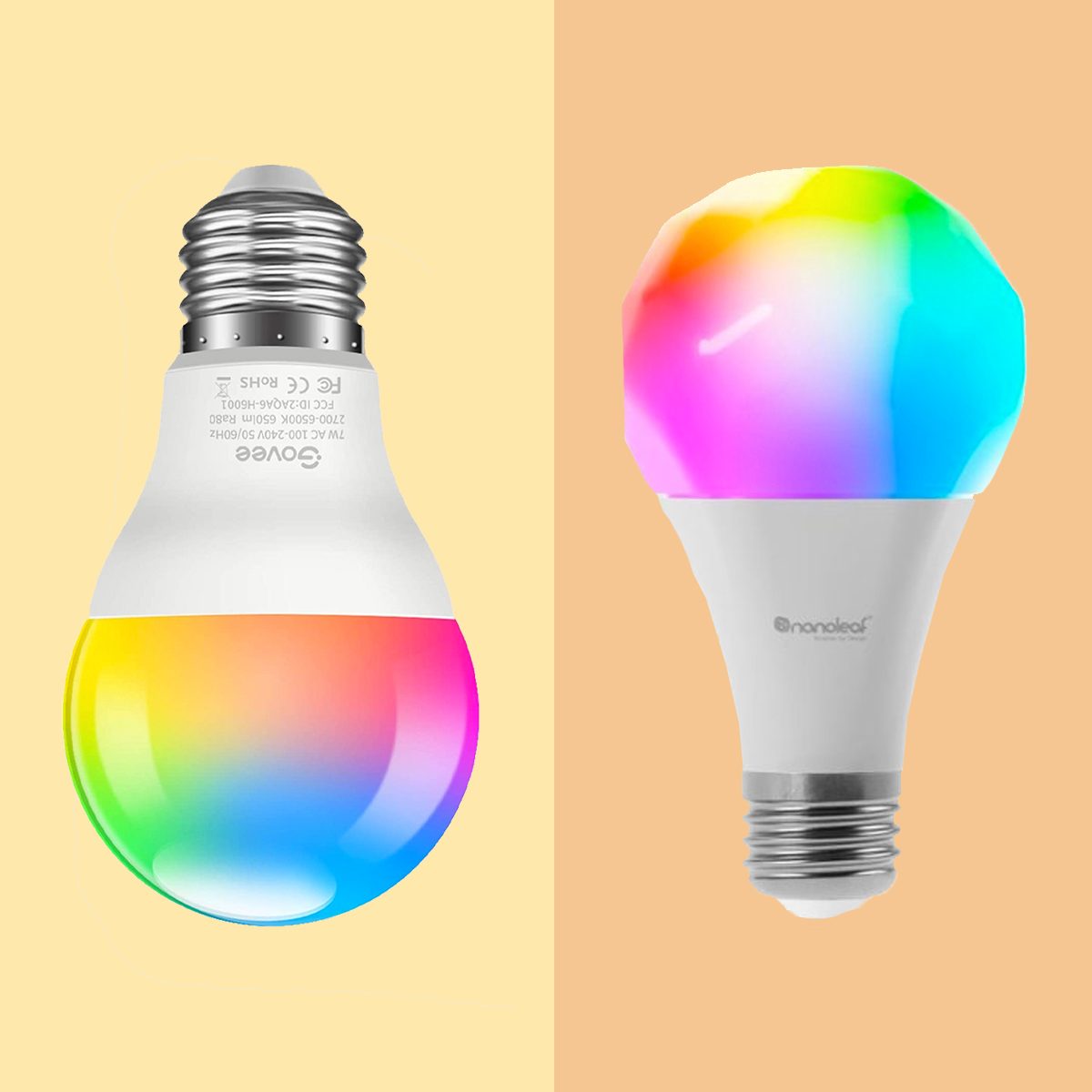
Smart Bulb Innovations
Smart bulbs bring new technology to home lighting. They offer more control and convenience than regular bulbs.
These bulbs connect to your home network and can be controlled remotely. This allows you to save energy and customize lighting.
Wi-fi Connectivity
Wi-Fi smart bulbs connect directly to your home internet. This means no extra hubs are needed to control them.
- Connect bulbs to your phone or tablet
- Control lights from anywhere
- Set schedules and timers easily
- Group bulbs for whole-room control
Voice Control Compatibility
Many smart bulbs work with voice assistants. You can turn lights on or off by speaking commands.
| Voice Assistant | Supported Brands |
| Amazon Alexa | Philips Hue, TP-Link, LIFX |
| Google Assistant | Wyze, Sengled, Nanoleaf |
| Apple HomeKit | Eve, Nanoleaf, LIFX |
Energy Monitoring Features
Some smart bulbs track how much energy they use. This helps you reduce electricity costs over time.
Energy monitoring lets you:
- See daily and monthly power use
- Identify high usage times
- Adjust brightness to save energy
- Receive alerts for unusual consumption
Factors To Consider
Choosing the right light bulbs for your home needs some thought. The right bulbs make your rooms comfortable and energy smart.
Think about where you will use the bulbs, what fixtures you have, and your budget. These factors help you pick the best bulbs.
Room Usage
Different rooms need different light bulbs. Bright light works well in work areas. Soft light is good for relaxing spaces.
Use bulbs with the right color temperature. Cool white light helps in kitchens and offices. Warm white light fits living rooms and bedrooms.
- Bright, cool light for kitchens and offices
- Soft, warm light for bedrooms and living rooms
- Special bulbs for bathrooms and closets
Fixture Compatibility
Check if your light fixtures match the bulb type. Some fixtures need specific shapes or sizes. Others require certain wattage limits.
Make sure the bulbs fit well and work with dimmers if you have them. Using the wrong bulb can cause damage or poor lighting.
- Match bulb base size with fixture socket
- Check maximum wattage allowed
- Use dimmable bulbs for dimmer switches
- Choose bulbs made for enclosed fixtures if needed
Budget Constraints
Consider how much you want to spend on bulbs. LED bulbs cost more upfront but save money over time. Incandescent bulbs are cheaper but use more energy.
Think about the bulb’s lifespan and energy use. Spending more on long-lasting bulbs can save you money on replacements and electricity.
- LED bulbs have higher initial cost but last longer
- Incandescent bulbs are cheaper but less efficient
- Look for energy-efficient bulbs to cut power bills
- Balance cost with how often you replace bulbs
Top Picks For Every Room
Choosing the right light bulbs improves the look and feel of your home. Different rooms need different lighting types.
We will explore the best light bulbs for your living room, kitchen, bedroom, and bathroom.
Living Room
Use warm white LED bulbs in the living room to create a cozy space. These bulbs save energy and last long.
Avoid harsh lighting. Instead, pick bulbs with a soft glow and a color temperature around 2700K to 3000K.
- Warm white LED bulbs (2700K–3000K)
- Dimmable options for adjustable brightness
- Soft glow bulbs for relaxation
Kitchen
Bright, cool white LED bulbs work best in the kitchen. They help you see clearly while cooking.
Look for bulbs with a color temperature of 4000K to 5000K. These bulbs make colors look true and clear.
- Cool white LED bulbs (4000K–5000K)
- High brightness for task lighting
- Energy-efficient and long-lasting
Bedroom
Soft, warm light bulbs create a relaxing bedroom mood. Choose bulbs that help you unwind before sleep.
Bulbs with a color temperature of 2200K to 2700K are best. Dimmable bulbs add flexibility for reading or resting.
- Warm light bulbs (2200K–2700K)
- Dimmable options for mood control
- Low brightness for calmness
Bathroom
Use bright, natural white bulbs in the bathroom. They provide clear light for grooming and makeup.
Bulbs with a color temperature of 3500K to 4100K work well. Look for bulbs with good color rendering index (CRI).
- Natural white LED bulbs (3500K–4100K)
- High CRI for true colors
- Moisture-resistant bulbs for safety
Credit: www.familyhandyman.com
Frequently Asked Questions
What Type Of Light Bulbs Save The Most Energy?
LED bulbs save the most energy. They use about 75% less energy than incandescent bulbs. LEDs last longer and reduce electricity bills.
Are Led Bulbs Better For Home Use?
Yes, LEDs are better for home use. They offer bright, consistent light and are energy-efficient. LEDs also produce less heat and last longer.
Which Light Bulbs Provide The Best Color Quality?
LED and CFL bulbs offer good color quality. LEDs especially have high Color Rendering Index (CRI), making colors appear natural and vibrant.
How Do I Choose The Right Brightness For Bulbs?
Brightness is measured in lumens, not watts. For most rooms, 800 lumens (60-watt equivalent) is ideal. Adjust based on room size and purpose.
Conclusion
Choosing the right light bulbs can save energy and money. LED bulbs last longer and use less power. Soft white bulbs create a warm, cozy feel. Bright daylight bulbs help with reading and work. Think about your room’s purpose before buying bulbs.
Good lighting improves comfort and mood at home. Small changes make a big difference in energy use. Pick bulbs that fit your needs and budget well. Light up your home smartly and enjoy the benefits.