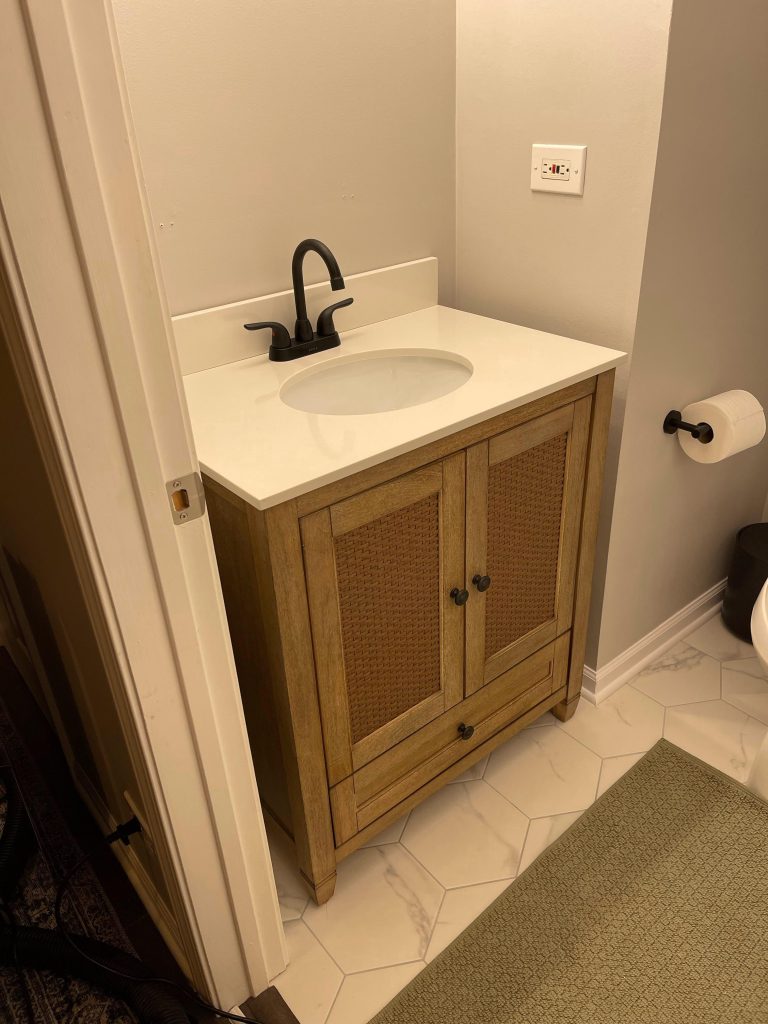
Are you planning a bathroom makeover and wondering if your vanity should sit flush against the wall? This small detail can make a big difference in how your space looks and feels.
You might think pushing the vanity tight against the wall is the obvious choice, but there are hidden reasons why leaving a gap could actually work better for you. Keep reading to discover what experts say, what most homeowners overlook, and how you can make the best decision for your bathroom’s style and function.
Don’t miss out on these simple tips that can save you time, money, and hassle!

Credit: www.reddit.com
Importance Of Vanity Placement
Bathroom vanities need the right spot to work well. Placement affects comfort and bathroom flow.
Where you put your vanity changes how the space looks and how easy it is to use.
Space Utilization
Placing the vanity flush against the wall saves floor space. It helps smaller bathrooms feel bigger.
Leaving a gap wastes room and can make cleaning harder. A flush vanity fits better in tight spaces.
Plumbing Access
Vanities flush with the wall allow easy access to plumbing. Pipes stay hidden but reachable for repairs.
Gaps might be needed in some cases to fit pipes, but they can cause dust and dirt buildup.
Aesthetic Appeal
A vanity flush against the wall looks neat and clean. It creates a smooth, finished look in the bathroom.
Gaps can make the vanity look unfinished or awkward. Proper placement improves the room’s style.
Safety And Stability
Vanities set flush against the wall stay stable and secure. They reduce risks of tipping or wobbling.
Gaps can cause uneven weight support. A tight fit helps keep the vanity safe for daily use.
Cleaning Convenience
Flush placement makes it easier to clean around the vanity. No hard-to-reach spaces collect dust.
Gaps can trap dirt and moisture. This may cause mold or damage over time.
Pros Of Flush Vanity Installation
Installing a bathroom vanity flush against the wall offers practical benefits. It helps use the bathroom space well and improves the look of the room.
This setup makes the bathroom feel tidy and organized. It also fits well in smaller bathrooms where space is limited.
Maximizing Space Efficiency
Placing the vanity flush against the wall saves floor space. This gives you more room to move around in the bathroom.
It also allows for easier cleaning because there are fewer gaps for dust and dirt. This setup helps keep your bathroom neat and fresh.
- Frees up walking space
- Reduces clutter around vanity edges
- Makes cleaning faster and easier
Creating A Seamless Look
A flush vanity looks clean and smooth against the wall. It hides pipes and gaps, giving the bathroom a polished feel.
This design choice helps the bathroom appear larger and less busy. It fits well with modern and simple bathroom styles.
- Hides plumbing and gaps
- Gives a tidy, finished appearance
- Enhances modern and minimalist styles
Cons Of Flush Vanity Installation
Installing a bathroom vanity flush against the wall can seem neat and tidy. It saves space but has some drawbacks.
This setup may cause problems that affect your bathroom’s function and safety over time.
Potential For Water Damage
When a vanity is flush against the wall, water can get trapped behind it. This trapped moisture may cause damage.
Water can soak into the wall or floor, leading to mold and rot. This can weaken the structure and cause bad smells.
- Water does not dry easily behind the vanity
- Hidden leaks may go unnoticed for a long time
- Mold growth can affect air quality
Limited Access For Plumbing
A vanity flush to the wall can block easy access to plumbing pipes and fixtures. This makes repairs harder and slower.
If you need to fix leaks or replace parts, you may have to remove the vanity. This adds time and cost to maintenance work.
- Harder to reach pipes for inspection
- More work to fix leaks or clogs
- Increased repair costs due to limited access
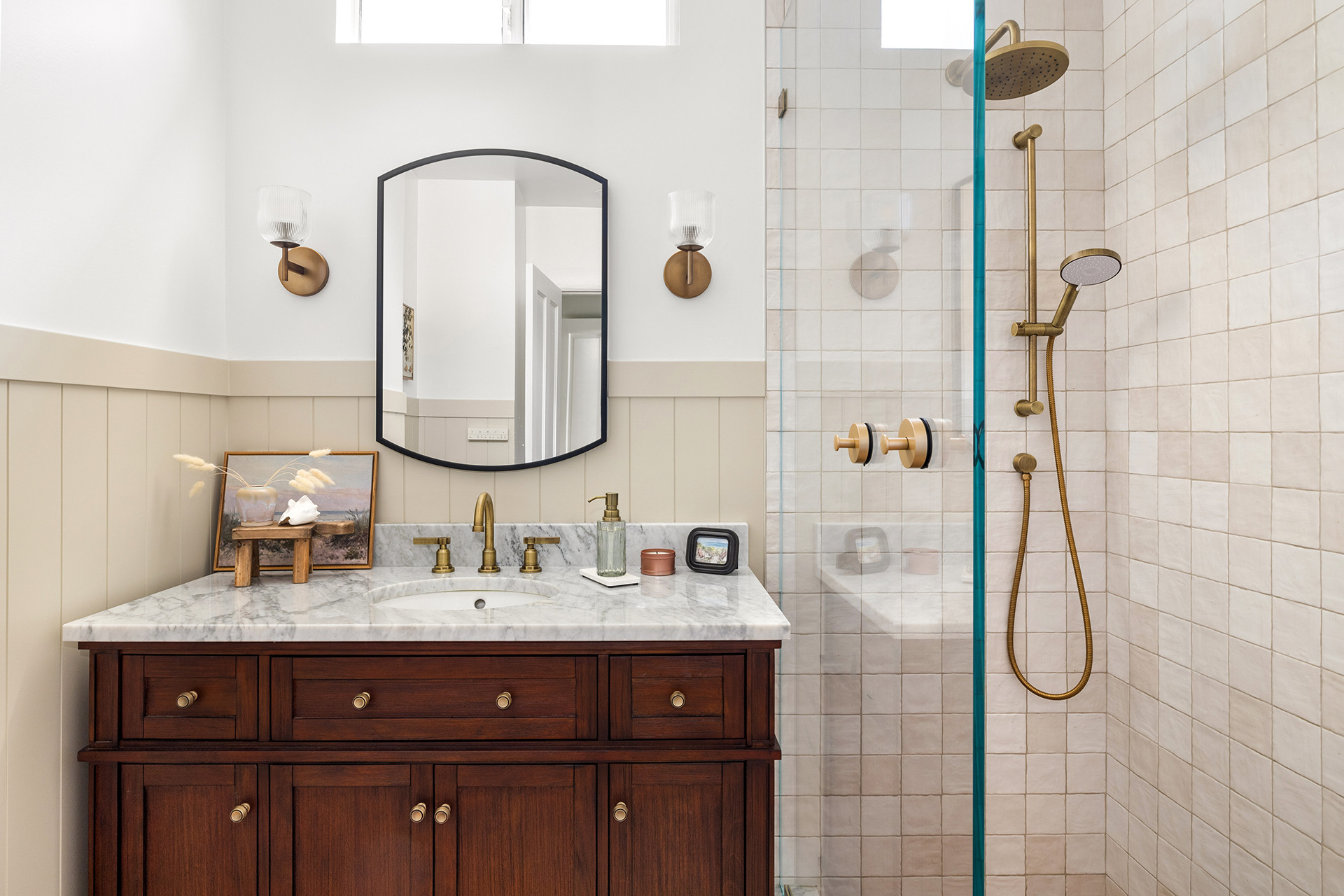
Credit: www.houzz.com
Alternatives To Flush Installation
Bathroom vanities do not always need to be flush against the wall. There are creative ways to install vanities that add style and function. Choosing an alternative can save space or create a unique look.
Some options include floating vanities and corner vanities. These designs offer flexibility for different bathroom sizes and layouts.
Floating Vanity Options
Floating vanities hang on the wall and do not touch the floor. This style gives a modern look and makes cleaning easier. It can also make a small bathroom feel larger.
These vanities come in many shapes and sizes. You can choose open shelves or closed cabinets. Some have LED lighting underneath for extra style.
- Saves floor space
- Creates a modern appearance
- Makes cleaning the floor simple
- Can include extra lighting
Corner Vanity Solutions
Corner vanities fit into the corner of a bathroom. This option is great for small or oddly shaped rooms. It uses space that often goes unused.
These vanities come in many styles. You can find corner sinks with storage below or simple shelves. They help keep the bathroom organized and efficient.
- Maximizes unused corner space
- Works well in small bathrooms
- Offers storage without clutter
- Fits various bathroom layouts
Expert Tips For Vanity Installation
Installing a bathroom vanity correctly is important for a clean look and long-lasting use. One common question is whether the vanity should be flush against the wall.
This guide shares expert tips to help you install your vanity properly and avoid problems.
Ensuring Proper Measurements
Measure the space carefully before installing the vanity. Check the wall and floor for any uneven areas.
Leave a small gap between the vanity and wall if the wall is not perfectly flat. This gap helps prevent damage and allows for easy cleaning.
- Measure the width, height, and depth of the vanity space
- Use a level to check for uneven walls or floors
- Allow a 1/4 inch gap if the wall is uneven
- Mark the wall for plumbing fixtures before installation
Selecting The Right Materials
Choose materials that resist moisture and are easy to clean. Bathroom vanities face water splashes and humidity daily.
Materials like solid wood, plywood with waterproof coating, or MDF with laminate work well. Avoid materials that swell or warp easily.
- Solid wood offers durability but needs sealing
- Plywood with waterproof coating resists moisture well
- MDF with laminate is budget-friendly and water-resistant
- Use water-resistant caulking around edges
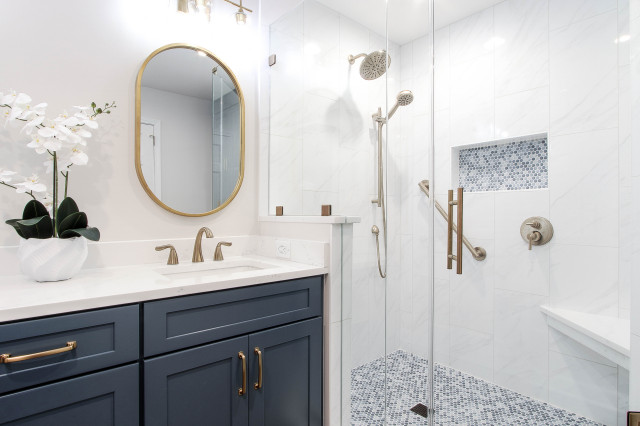
Credit: www.houzz.com
Design Styles For Vanities
Bathroom vanities come in many designs. The style you choose affects your bathroom’s look and feel.
One question is if the vanity should be flush against the wall. This choice depends on your design style.
Traditional Vs. Modern Aesthetics
Traditional vanities often have detailed woodwork and classic shapes. They usually sit flush against the wall.
Modern vanities have clean lines and minimal designs. Sometimes they float away from the wall for a sleek look.
- Traditional: flush against wall for a solid feel
- Modern: can be wall-mounted or floating
- Flush placement fits classic bathroom styles
- Floating vanities add space and lightness
Incorporating Storage Solutions
Storage is key in bathroom vanities. Flush vanities often offer more cabinet space.
Floating vanities may have fewer storage options but can include open shelves or drawers.
- Flush vanities: larger cabinets, full-depth storage
- Floating vanities: open shelves, drawers under the sink
- Choose storage based on bathroom size and needs
- Use baskets or organizers for better space use
Frequently Asked Questions
Should A Bathroom Vanity Be Flush Against The Wall?
A bathroom vanity is usually installed flush against the wall for stability and space efficiency. However, leaving a small gap can help with plumbing access and ventilation. The choice depends on your bathroom layout and functional needs.
What Are The Benefits Of Vanity Flush Placement?
Placing a vanity flush against the wall maximizes floor space and creates a clean, streamlined look. It also prevents dust and debris from collecting behind it, making cleaning easier. This placement ensures the vanity is sturdy and properly supported.
Can A Vanity Be Installed Away From The Wall?
Yes, a vanity can be installed slightly away from the wall to allow better access to plumbing and avoid moisture damage. However, this may reduce usable space and affect the overall bathroom design aesthetics.
How Does Wall Flush Affect Bathroom Plumbing?
Installing a vanity flush against the wall helps hide plumbing pipes and fixtures, giving a neat appearance. It also simplifies connections and reduces the risk of leaks by keeping pipes close to the wall structure.
Conclusion
Choosing whether your bathroom vanity should sit flush against the wall depends on your space and needs. A flush vanity saves room and offers a clean look. Leaving a gap can help with cleaning and plumbing access. Think about your bathroom size and style before deciding.
Both options have benefits. Find the balance that fits your daily routine and design taste. Keep comfort and function in mind for the best result. This small detail can impact your bathroom’s feel and use.