
Choosing the right LED bulb for your home might seem simple, but it can actually make a big difference in how your rooms look and feel. You want a bulb that saves energy, lasts long, and creates the perfect light for your space.
But with so many options out there, how do you pick the best one? This guide will help you understand exactly what to look for, so you can make smart choices that brighten your home and your life. Keep reading to discover easy tips that will save you time, money, and frustration.
Understanding Led Bulbs
LED bulbs are a popular choice for home lighting. They use light-emitting diodes to produce light. LED bulbs save energy and last longer than traditional bulbs.
Choosing the right LED bulb helps you get the best lighting for your home. Knowing their benefits and types will guide your decision.
Benefits Of Led Lighting
LED bulbs offer many advantages over other light sources. They reduce energy use and lower electricity bills. LEDs also produce less heat, making them safer.
- Energy efficient and cost-saving
- Long lifespan, reducing replacement needs
- Environmentally friendly with no toxic elements
- Produce less heat, safer for home use
- Available in various colors and brightness levels
Types Of Led Bulbs
There are several types of LED bulbs for different fixtures and uses. Each type fits certain lighting needs and styles.
| Type | Shape | Common Use |
| A-shaped | Classic bulb shape | General room lighting |
| Spotlight | Small, focused beam | Accent and task lighting |
| Tube | Long and cylindrical | Ceiling fixtures and offices |
| Candle | Tapered, flame-like | Chandeliers and decorative |
| Floodlight | Wide beam | Outdoor and large areas |
Credit: www.batteriesplus.com
Factors To Consider
Choosing the right LED bulb for your home needs some thought. You want bulbs that fit your space well and save energy.
Look at brightness, color temperature, and energy use to find bulbs that suit your rooms.
Brightness And Lumens
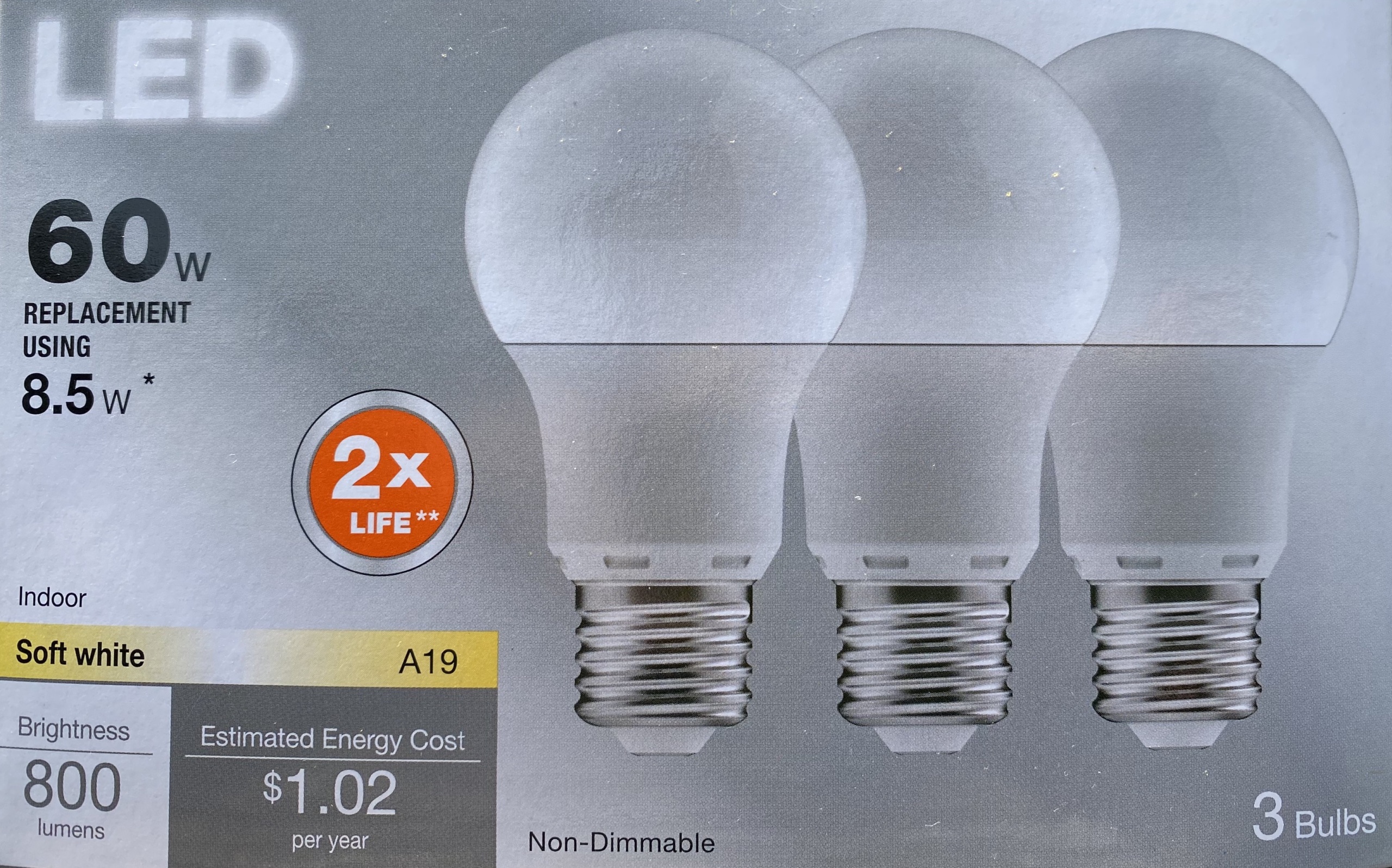
Brightness in LED bulbs is measured in lumens, not watts. More lumens mean more light.
- Choose higher lumens for living rooms and kitchens
- Lower lumens work well for bedrooms and hallways
- Check the lumens on the packaging before buying
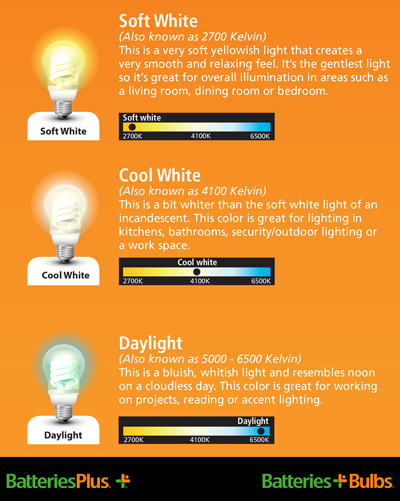
Color Temperature
Color temperature affects how warm or cool the light looks. It is measured in Kelvins (K).
| Color Temperature | Light Appearance | Best For |
| 2700K – 3000K | Warm, yellowish | Bedrooms, living rooms |
| 3500K – 4100K | Neutral white | Kitchens, bathrooms |
| 5000K – 6500K | Cool, bluish | Workspaces, garages |
Energy Efficiency
Energy efficiency saves money and helps the environment. Look for bulbs with good energy ratings.
- Check for ENERGY STAR label
- Compare wattage to brightness
- Choose bulbs with longer life spans
Choosing The Right Fit
Choosing the right LED bulb for your home means looking at its shape and size first. This helps the bulb fit well in your fixture and works properly.
Next, you must check the base type of the bulb. The base connects the bulb to the socket and powers it.
Bulb Shapes And Sizes
LED bulbs come in many shapes and sizes. Each shape works better in some fixtures than others. Picking the right shape helps the bulb spread light evenly.
- A-shape (A19): The common bulb shape for lamps and ceiling lights.
- Globe (G25): Round shape for bathroom vanities and decorative fixtures.
- Candle (B10): Slim and pointed, good for chandeliers and wall sconces.
- Reflector (R20, BR30): Directs light down, ideal for recessed lighting.
- Tube (T8, T12): Long tubes used in kitchens and offices.
Base Types
The base type must match the socket of your fixture. Using the wrong base means the bulb will not fit or work.
| Base Type | Description | Common Uses |
|---|---|---|
| E26 | Standard screw base, 26 mm diameter | Most household lamps and ceiling lights |
| E12 | Small screw base, 12 mm diameter | Chandeliers and small decorative fixtures |
| B22 | Bayonet base, twist and lock | Common in Europe and Asia homes |
| GU10 | Twist and lock, two pins 10 mm apart | Spotlights and recessed lighting |
Special Features
Choosing the right LED bulb for your home means looking at special features. These features can improve comfort and save energy.
Understanding these features helps you pick bulbs that fit your needs and space.
Dimmable Options
Dimmable LED bulbs let you adjust the light brightness. This helps set the mood in any room.
They work well with dimmer switches and can save energy by using less power at lower brightness.
- Easy to change light levels
- Good for living rooms and bedrooms
- Compatible with most dimmer switches
- Helps reduce electricity use
Smart Led Bulbs
Smart LED bulbs connect to your phone or smart home system. You can control them from anywhere.
They often offer color changes and scheduling to fit your daily routine.
- Control lights with a smartphone app
- Set timers and schedules
- Change colors and brightness
- Works with voice assistants
Room-specific Lighting
Choosing the right LED bulb depends on the room it will light. Each room has different needs for brightness and color. Picking the right bulb helps create the perfect mood and saves energy.
Consider the activities done in each room. This will guide your choice for brightness, color temperature, and bulb style. Let’s look at common rooms and their lighting needs.
Living Room
The living room needs warm and inviting light. Choose bulbs with a color temperature between 2700K and 3000K. This creates a cozy feel. Brightness should be moderate to allow relaxation and socializing.
Kitchen
Kitchens require bright, clear light for cooking and cleaning. Bulbs with a color temperature of 4000K to 5000K work best. This range helps you see colors and details accurately.
- Use bright bulbs for work areas
- Consider cool white LED bulbs
- Place lights under cabinets for better countertop lighting
Bedroom
Bedrooms benefit from soft, warm lighting. Choose bulbs with a color temperature of 2700K. This promotes relaxation and better sleep. Use dimmable LEDs to adjust brightness for reading or winding down.
Bathroom
| Lighting Aspect | Recommended LED Bulb | Reason |
|---|---|---|
| Brightness | Bright (around 800 lumens) | Helps with grooming and applying makeup |
| Color Temperature | 4000K to 5000K (Cool White) | Mimics daylight for clear visibility |
| Type | Damp-rated LED bulbs | Safe for humid bathroom conditions |
Credit: environmentamerica.org
Cost And Longevity
Choosing the right LED bulb for your home depends on cost and how long it lasts. Both factors help you save money.
Understanding the initial price and lifespan can guide you to the best choice for your needs.
Initial Investment
LED bulbs usually cost more at first than other bulbs. This higher price is due to better technology.
Spending more upfront can reduce your electricity bills over time. Look for bulbs with good energy ratings.
- Higher initial price means better energy savings
- Choose bulbs that fit your budget and needs
- Check for warranty to protect your purchase
Lifespan Of Led Bulbs
LED bulbs last much longer than traditional bulbs. Some can work for over 25,000 hours.
Long life means fewer replacements and less waste. This saves money and is better for the environment.
- LED bulbs last 15 to 25 times longer than incandescent bulbs
- Long lifespan lowers maintenance and replacement costs
- Choose bulbs with a rated lifespan to match your needs
Credit: www.consumerreports.org
Frequently Asked Questions
What Wattage Led Bulb Is Best For Home Lighting?
Choose LED bulbs with 8-12 watts for general home use. This wattage provides bright, energy-efficient lighting suitable for most rooms. Higher wattage bulbs are ideal for larger spaces needing more light.
How To Select The Right Color Temperature For Led Bulbs?
Pick warm white (2700K-3000K) for cozy spaces like bedrooms. Use cool white (4000K-5000K) in work areas for clear visibility. Color temperature affects room ambiance and functionality.
Are Dimmable Led Bulbs Suitable For All Fixtures?
Dimmable LEDs work well with compatible dimmer switches. Check bulb packaging for dimmability. Using non-dimmable bulbs with dimmers can damage the bulb or switch.
How Long Do Led Bulbs Typically Last At Home?
LED bulbs last around 15,000 to 25,000 hours. This means several years of use, reducing replacement frequency. Longevity varies with quality and usage conditions.
Conclusion
Choosing the right LED bulb can save energy and money. Think about brightness, color, and size first. Check the bulb’s wattage and lifespan for good value. Pick bulbs that fit your home’s style and needs. Good lighting makes rooms feel warm and cozy.
Small changes make a big difference in comfort. Take your time and choose bulbs that work best. Bright, efficient light helps your home shine every day.