
Imagine transforming your plain wall into a vibrant tropical paradise that instantly lifts your mood and impresses everyone who visits. You don’t need to be a professional artist to create a stunning tropical mural on your wall.
With the right steps and a bit of creativity, you can bring lush palm leaves, colorful flowers, and exotic birds right into your space. Ready to make your walls come alive and turn your room into a refreshing getaway? Keep reading, and you’ll discover simple, effective tips to paint your own tropical mural with confidence and style.
Choosing The Perfect Wall
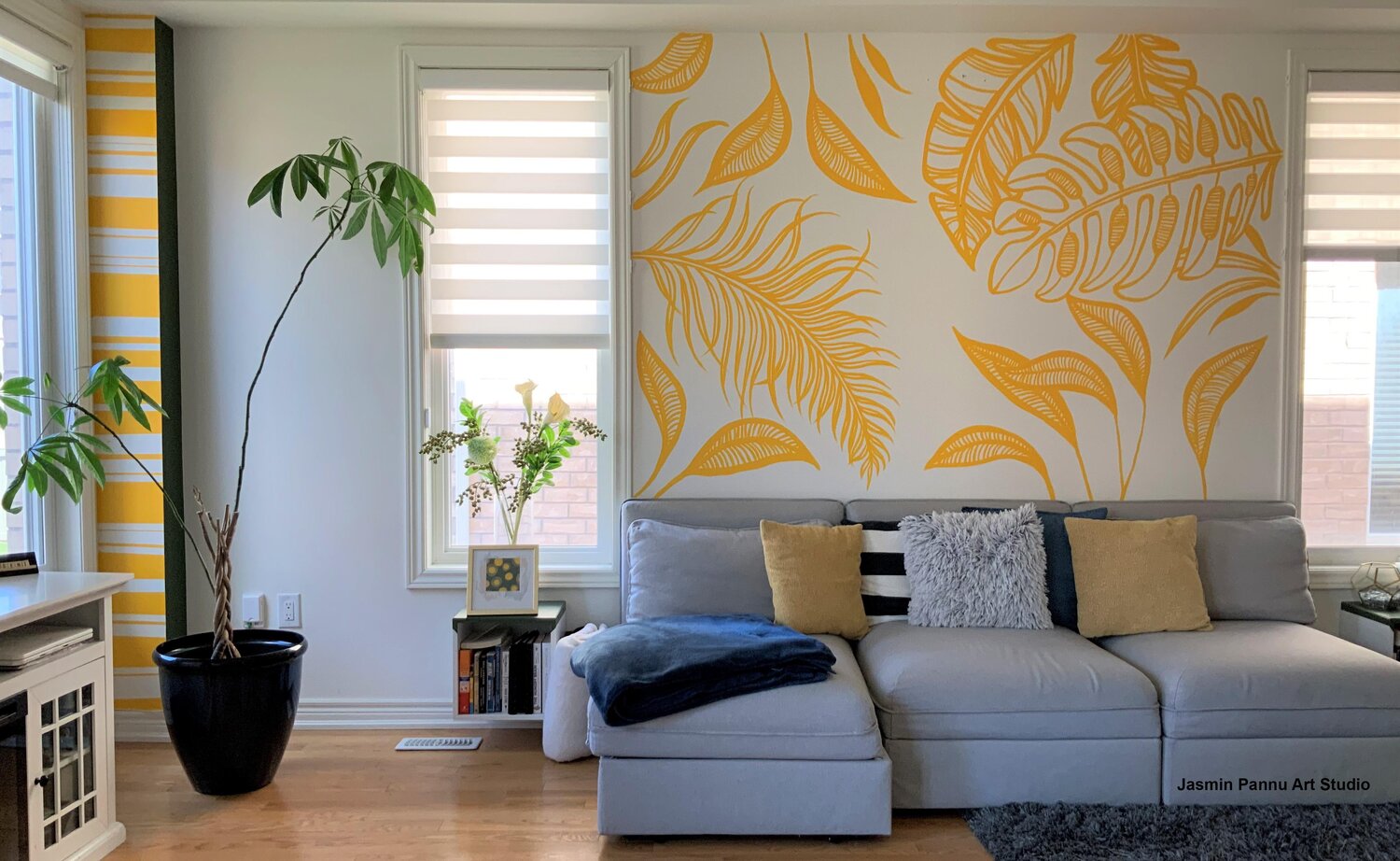
Picking the right wall is important for a tropical mural. The wall sets the stage for your art.
This guide helps you find the best wall to paint your tropical scene.
Wall Size And Shape
Choose a wall that fits your mural size. Large walls give space for big designs. Odd shapes can add style but may limit details.
Wall Surface And Texture
Smooth walls work best for clear images. Rough or cracked walls need prep work. Make sure the surface holds paint well.
Lighting And Location
Good lighting shows your mural better. Walls in bright, shaded, or natural light each create different effects.
- South-facing walls get more sunlight
- North-facing walls have softer light
- Consider street visibility for public murals
- Indoor walls need bright artificial light
Wall Condition And Maintenance
Look for walls without water damage or mold. A clean wall keeps your mural lasting longer. Check if maintenance is possible.
- No peeling paint or cracks
- Dry and free of mold
- Stable structure without holes
- Accessible for cleaning and touch-ups
Credit: www.jasminpannu.com
Gathering Essential Materials
Painting a tropical mural on your wall is exciting. You need the right materials to start. This guide helps you collect all essentials before you begin.
Having the right tools and supplies makes your work easier. It also helps you create a beautiful and lasting mural.
Paint Types
Choose paint that works well on walls and lasts long. Acrylic paint is a good choice. It dries fast and holds color well.
You might also consider exterior wall paint if your mural is outside. It resists weather and fading.
Brushes And Tools
- Variety of brushes: flat, round, and detail brushes
- Roller brushes for large areas
- Painter’s tape to create sharp edges
- Palettes or trays for mixing colors
- Drop cloths to protect floors and furniture
Having different brush sizes helps you paint both big areas and small details.
Surface Preparation Materials
| Material | Purpose |
| Sandpaper | Smooths the wall surface |
| Primer | Prepares wall for paint |
| Cleaning Cloths | Removes dust and dirt |
| Patch Filler | Fixes holes and cracks |
Prepare your wall well to make paint stick better and last longer.
Additional Supplies
Other helpful items include:
- Step ladder for reaching high spots
- Water cups for cleaning brushes
- Rags for wiping mistakes
- Pencil and eraser for sketching the design
Designing Your Tropical Theme
Creating a tropical mural starts with a clear theme. Your design should reflect the warmth and beauty of tropical places.
Focus on colors and elements that bring a tropical feel to your wall. This will help guide your painting process.
Selecting Color Palette
Choose bright and lively colors that remind you of the tropics. Think about the natural shades found in tropical scenes.
- Warm yellows like sunshine
- Deep greens from palm leaves
- Bright blues for clear skies and ocean
- Rich oranges and reds from tropical flowers
- Soft beige or sandy tones for the beach
Incorporating Tropical Elements
Add details that make your mural feel alive. Use common tropical shapes and symbols to build your scene.
| Element | Description |
| Palm Trees | Tall trees with long leaves, iconic in tropical places |
| Exotic Flowers | Bright flowers like hibiscus and orchids |
| Birds | Colorful species like parrots and toucans |
| Fruits | Pineapples, coconuts, and bananas add vibrant detail |
| Ocean Waves | Soft, rolling waves to show the beach |

Credit: hovia.com
Preparing The Wall Surface
Painting a tropical mural needs a smooth, clean wall. Preparing the wall helps your paint last longer.
Start by making sure the surface is ready. This step makes the painting process easier and better.
Cleaning And Priming
Clean the wall to remove dust, dirt, and grease. Use a mild detergent and water with a soft cloth.
After cleaning, let the wall dry completely. Then apply a primer to help the paint stick well.
- Wash the wall with soap and water
- Rinse and let it dry fully
- Use a good quality primer for your wall type
- Allow primer to dry before painting
Sketching The Design
Lightly draw your tropical design on the wall with a pencil. This helps guide your painting.
Keep your sketch simple at first. You can add details later when you paint.
- Use light pencil marks to avoid showing through paint
- Outline large shapes like leaves and flowers
- Check proportions before starting to paint
Painting Techniques For Murals
Painting a tropical mural on a wall requires special techniques. Using the right methods makes the mural look lively and vibrant. It also helps the artwork last longer on the wall.
Two key painting techniques for murals are layering colors and creating depth and texture. These techniques add life and dimension to your tropical mural.
Layering Colors
Layering colors means applying paint in thin layers. Each layer builds on the last to create rich, bright colors. Start with light base colors and add darker shades on top.
- Use a large brush for the first layer to cover the wall quickly.
- Let each layer dry before adding the next one.
- Mix colors on a palette before applying them to get the right shade.
- Apply thin coats to avoid drips and uneven surfaces.
- Use softer brushes for blending colors smoothly.
Creating Depth And Texture
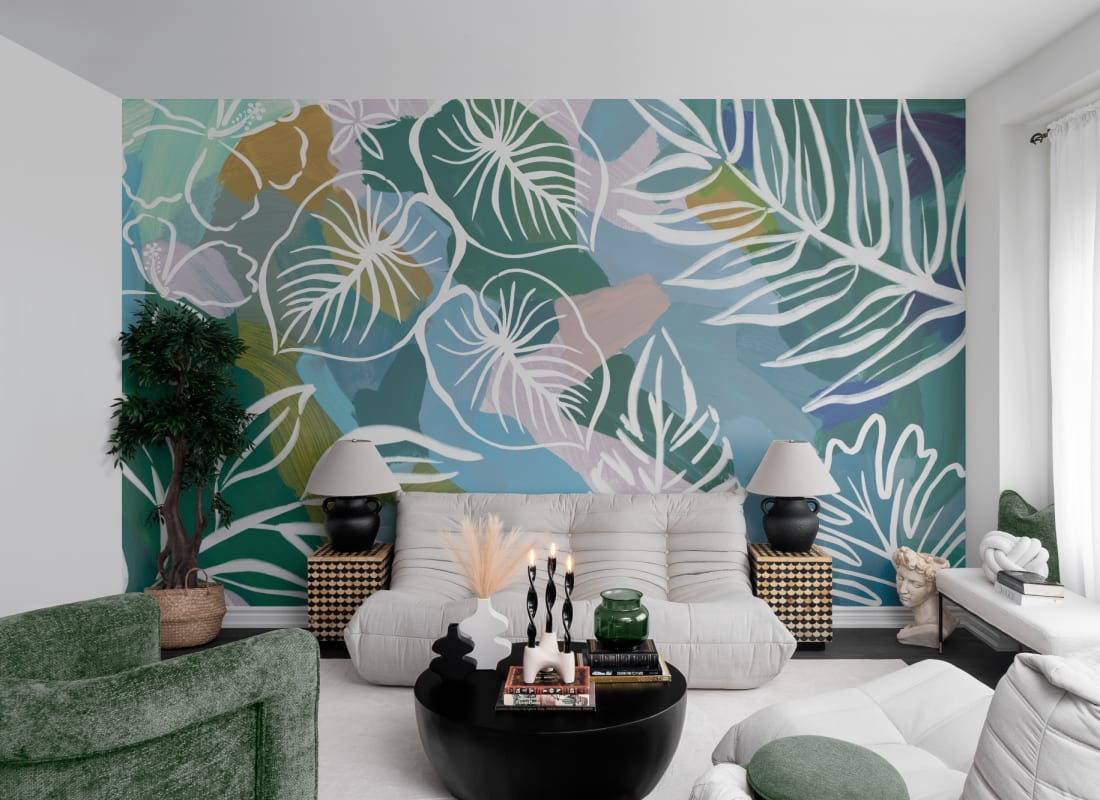
Depth and texture make a mural feel more real and interesting. Adding shadows and highlights helps show light and space. Different brush strokes create texture on leaves and water.
| Technique | Description | Effect |
| Dry Brushing | Use a dry brush with little paint to create rough textures. | Gives a natural, textured look to tree bark and leaves. |
| Glazing | Apply thin, transparent layers of paint over dry layers. | Adds softness and depth to colors. |
| Stippling | Dab paint with a stiff brush or sponge. | Creates small dots and texture for foliage and flowers. |
| Shadowing | Paint darker areas where light is blocked. | Creates a 3D effect on objects and plants. |
Credit: hovia.com
Adding Details And Highlights
Adding details and highlights brings your tropical mural to life. These elements make the painting look more real and vibrant.
Focus on small features like leaf veins and light spots. These details create depth and interest on your wall.
Enhancing With Fine Brushes
Fine brushes help you paint tiny details with control. Use them to add thin lines and delicate shapes on leaves and flowers.
Choose brushes with thin, soft bristles. They make it easier to paint smooth lines and small highlights.
- Use a fine liner brush for leaf veins
- Apply small dots of light for dew drops
- Paint thin lines for flower petals
- Blend colors softly with a small round brush
Using Stencils For Accuracy
Stencils help you paint shapes cleanly and quickly. They keep edges sharp and designs consistent.
Place the stencil on the wall and hold it steady. Apply paint with a sponge or brush in gentle dabs to avoid bleeding.
- Use stencils for repeating leaf patterns
- Stencil flowers to keep shapes uniform
- Combine stencil and freehand painting for detail
- Clean stencils after each use to avoid smudges
Sealing The Mural
Sealing your tropical mural protects it from damage and fading. It helps the paint last longer on the wall.
Choosing the right sealant and applying it carefully are important steps. This guide explains how to do both.
Choosing The Right Sealant
Select a sealant that fits your mural’s location and paint type. Some sealants add shine, while others keep a matte finish.
- Acrylic sealants work well for indoor murals.
- Polyurethane sealants are good for outdoor walls because they resist weather.
- Water-based sealants dry quickly and are easy to clean up.
- Oil-based sealants provide strong protection but take longer to dry.
Applying Protective Coating
Apply the sealant in thin, even coats. Use a brush or roller depending on the wall texture and size.
| Step | Action | Tip |
| 1 | Clean the mural surface | Remove dust and dirt before sealing |
| 2 | Test sealant on a small area | Check for color change or damage |
| 3 | Apply first coat evenly | Use long, smooth strokes |
| 4 | Let the coat dry fully | Follow sealant instructions for drying time |
| 5 | Apply a second coat if needed | Better protection with two thin coats |
Maintaining Your Tropical Mural
Keeping your tropical mural fresh helps it stay bright and beautiful. Proper care protects your art from dust and damage.
Follow simple steps to clean and touch up your mural. These tips keep the colors vibrant for years.
Regular Cleaning Tips
Dust and dirt can dull your mural’s colors. Clean it gently to avoid damage.
- Use a soft, dry cloth or a feather duster to remove dust.
- For sticky spots, lightly dampen a cloth with water only.
- Do not use strong cleaners or chemicals on the paint.
- Clean the mural once every few weeks to prevent buildup.
- Avoid scrubbing hard to keep the paint intact.
Touch-up Techniques
Small chips or cracks may appear over time. Fix these areas to keep the mural looking fresh.
| Issue | Fix | Materials Needed |
| Paint chip | Use matching paint to fill the spot | Acrylic paint, fine brush |
| Crack in paint | Lightly sand and repaint the area | Fine sandpaper, matching paint, brush |
| Faded color | Apply a fresh coat of paint | Acrylic paint, paint roller or brush |
Frequently Asked Questions
What Materials Are Needed To Paint A Tropical Mural?
You need acrylic paints, brushes, painter’s tape, primer, and a sealant. A sketch or stencil can help. Prepare the wall by cleaning and priming it before starting.
How Do I Choose Colors For A Tropical Mural?
Select vibrant greens, blues, yellows, and pinks to reflect tropical flora and fauna. Use contrasting colors to make the mural lively and eye-catching.
What Wall Preparation Is Required For Mural Painting?
Clean the wall thoroughly and fill any holes or cracks. Apply a primer coat to create a smooth, even surface for better paint adhesion.
How Can I Make My Tropical Mural Last Longer?
Use high-quality, weather-resistant paints and seal the finished mural with a clear protective coat. Avoid direct water exposure and clean gently if needed.
Conclusion
Painting a tropical mural brings life to any wall. Choose bright colors and simple shapes. Take your time and enjoy the process. Mistakes can be fixed with a little paint. Your wall will become a cheerful, warm space. Share your art with friends and family.
Keep practicing to improve your skills. A tropical mural can brighten your home every day.