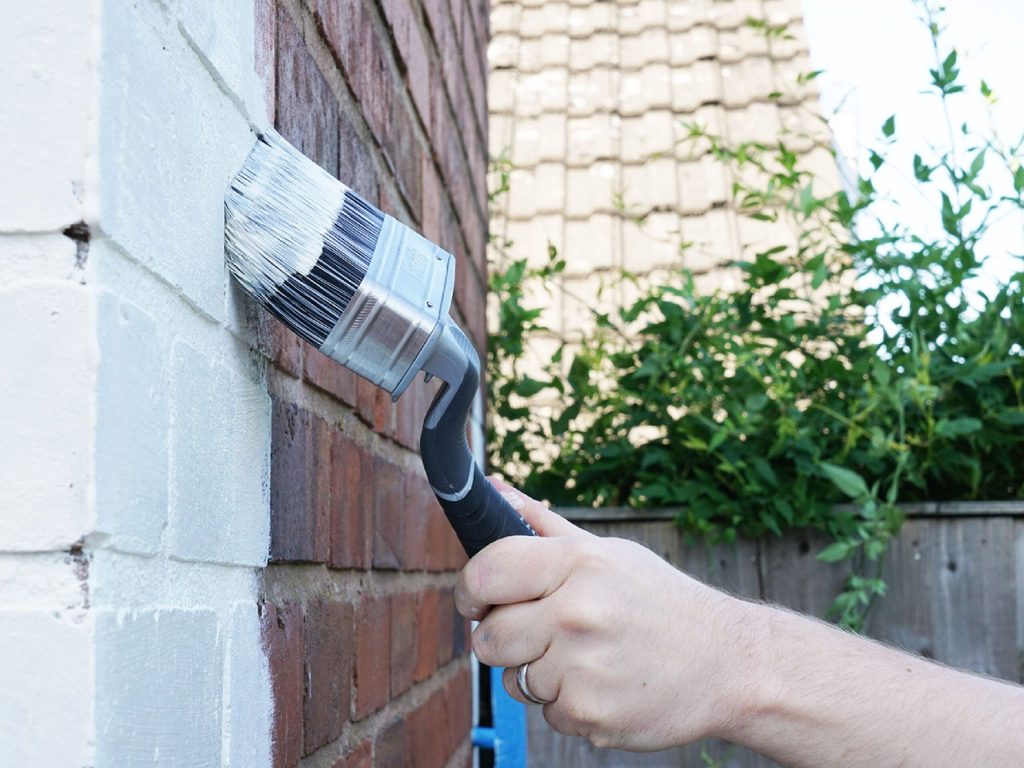
Are you looking to give your brick walls a fresh, new look? Painting bricks can completely transform the feel of your space, making it brighter, cleaner, and more modern.
But it’s not as simple as grabbing a brush and paint. To get a smooth, lasting finish, you need to know the right steps and techniques. In this guide, you’ll discover exactly how to paint bricks on a wall, avoid common mistakes, and achieve professional results that will make your home stand out.
Ready to turn your dull bricks into a stunning feature? Let’s dive in!
Preparation Essentials
Painting bricks on a wall needs careful preparation. Good preparation helps the paint last longer and look better.
Start by gathering the right materials and following safety rules. These steps protect you and improve your work.
Gathering Materials
Collect all tools and supplies before painting. This saves time and keeps the process smooth.
- Exterior or masonry paint suitable for bricks
- Paint primer designed for brick surfaces
- Wire brush or stiff broom to clean the bricks
- Pressure washer or hose for rinsing
- Painter’s tape to protect edges
- Drop cloths to cover nearby areas
- Paint rollers with thick nap for rough surfaces
- Paint brushes for corners and edges
- Paint tray
- Safety gloves and goggles
Safety Precautions
Protect yourself and the area before starting to paint. Follow safety steps to avoid accidents.
| Safety Item | Purpose |
| Gloves | Protect hands from chemicals and rough surfaces |
| Goggles | Shield eyes from paint splashes and dust |
| Mask | Prevent breathing in dust and fumes |
| Drop cloths | Keep ground and plants clean from paint spills |
| Proper clothing | Wear long sleeves and pants to avoid skin contact |
| Ventilation | Work outdoors or in well-ventilated areas |
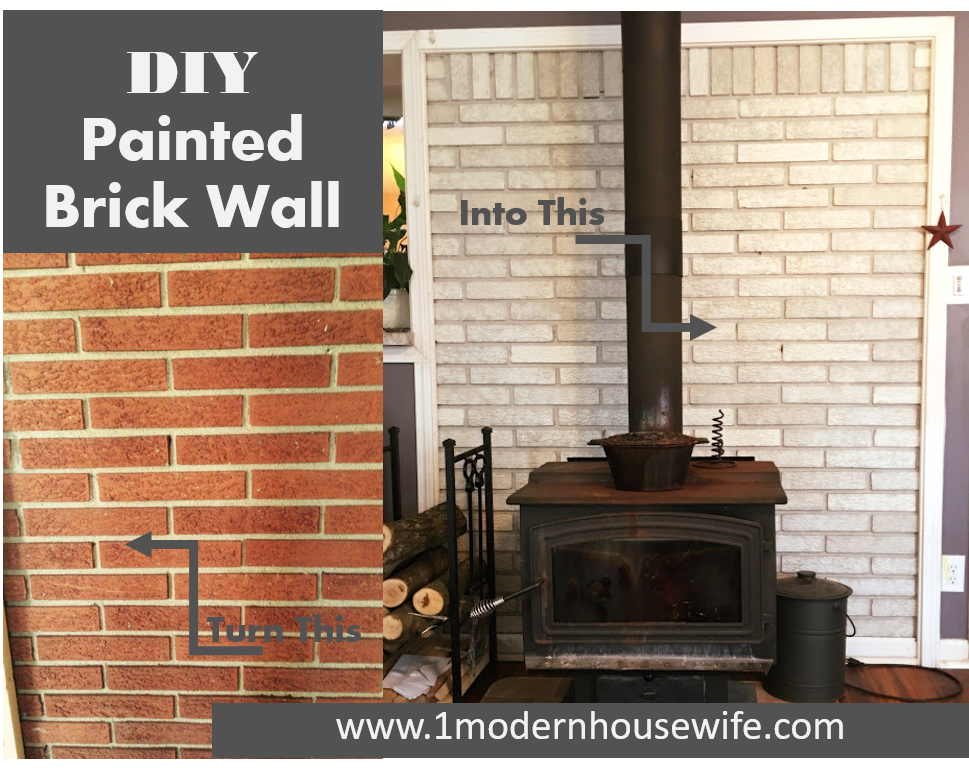
Credit: dengarden.com
Cleaning The Brick Surface
Cleaning bricks before painting is very important. Dirt, dust, and mold can stop paint from sticking well. A clean surface helps paint last longer and look better.
This guide shows how to clean bricks by removing dirt and dealing with mold and mildew.
Removing Dirt And Debris
Start by removing loose dirt and debris from the brick wall. Use a stiff brush or broom to sweep away dust and cobwebs. This step clears the surface for deeper cleaning.
- Wear gloves and safety glasses to protect yourself.
- Sweep the wall with a stiff-bristled brush.
- Use a garden hose to rinse off dust and dirt.
- Let the bricks dry completely before the next step.
Addressing Mold And Mildew
Mold and mildew can grow on bricks, especially in damp areas. You need to clean them to prevent paint problems and health risks.
| Material | Use | Instructions |
| Water | Rinse surface | Wet the bricks to prepare for cleaning |
| Bleach solution (1 part bleach to 3 parts water) | Kill mold and mildew | Apply with a spray bottle or brush, wait 10 minutes |
| Stiff brush | Scrub bricks | Scrub surface to remove mold spots |
| Clean water | Rinse off bleach | Rinse bricks thoroughly to remove bleach |
| Protective gear | Safety | Wear gloves and eye protection when using bleach |
Choosing The Right Paint
Painting bricks can change the look of a wall quickly. Picking the right paint is very important. It helps the paint last longer and look better.
You must think about the type of paint and color. This guide will help you choose both for your brick wall.
Types Of Paint Suitable For Brick
Not all paints work well on bricks. Some paints stick better and protect the brick from weather. Here are common paint types for brick walls.
- Acrylic Latex Paint:Easy to use and cleans with water. It is flexible and resists peeling.
- Masonry Paint:Made for bricks and concrete. It lets the wall breathe and stops moisture.
- Elastomeric Paint:Thick and durable. It covers cracks and protects bricks well.
- Oil-Based Paint:Strong and lasts long. It can be harder to clean and may yellow over time.
Selecting Colors
Choosing the right color changes the mood of your space. Light colors make a room look bigger. Dark colors add warmth and style.
| Color | Effect on Space | Best Use |
| White | Makes space look clean and large | Modern homes, small rooms |
| Gray | Gives a calm and neutral look | Urban style, offices |
| Red | Adds warmth and energy | Accent walls, outdoor spaces |
| Beige | Soft and natural feel | Traditional homes, living rooms |
Priming The Bricks
Priming bricks before painting helps the paint stick better. It also protects the bricks and gives a smooth finish.
Using the right primer and applying it well makes your paint job last longer and look great.
Importance Of Primer
Primer seals the porous surface of bricks. This stops the paint from soaking in unevenly. It also helps prevent peeling and cracking later.
- Improves paint adhesion for long-lasting coverage
- Prevents moisture damage to the bricks
- Blocks stains and discoloration from showing through
- Creates a uniform surface for smooth painting
Application Techniques
Prepare the wall by cleaning dirt and dust off the bricks. Use a brush or pressure washer for best results. Let the wall dry completely before priming.
| Tool | Use | Tips |
| Paintbrush | Edges and corners | Use angled brushes for tight spots |
| Roller | Large flat areas | Choose a roller with a thick nap for rough bricks |
| Sprayer | Even coverage | Keep sprayer moving to avoid drips |
Apply the primer in thin, even coats. Let the first coat dry fully before adding a second coat. Follow the primer manufacturer’s drying time instructions.
Painting Techniques
Painting bricks on a wall needs the right techniques. Good methods help the paint last longer and look better.
Using the right tools and styles makes the wall more attractive. This guide shows easy painting ways for bricks.
Using Brushes And Rollers
Brushes work well for edges and small areas. They let you reach tight spots between bricks.
Rollers cover large flat areas fast. Use a roller with a thick nap for rough brick surfaces.
- Use a stiff brush for grout lines and corners
- Choose a roller with a ⅜ to ½ inch nap for bricks
- Apply paint evenly to avoid drips and streaks
- Work in small sections for better control
Creating Texture And Patterns
You can add texture by using special brushes or tools. This makes the brick wall look more lively.
Patterns can be made by dabbing or sponging paint. Try different shapes to get unique effects.
- Dab paint with a sponge for a soft texture
- Use a crumpled cloth to add rough patterns
- Try cross-hatching with a dry brush for lines
- Combine colors for a layered look
Drying And Curing
Painting bricks takes time to dry and cure properly. Drying means the paint feels dry on the surface. Curing means the paint hardens fully and sticks well.
Both steps are important for long-lasting results. Rushing can cause peeling or uneven color. Follow the right conditions for best results.
Optimal Conditions For Drying
Dry bricks need warm, dry air to dry paint quickly. Avoid painting in cold or wet weather. These slow drying and cause problems.
Good airflow helps carry moisture away from the paint surface. Shade your wall from direct sunlight to stop paint from drying too fast.
- Paint when temperature is 50–85°F (10–29°C)
- Keep humidity below 70%
- Ensure steady airflow around the wall
- Avoid rain and dew for 24 hours after painting
- Use shade or cover if sun is strong
Avoiding Common Mistakes
Do not paint bricks that are wet or damp. Paint will not stick and can peel off later. Wait until bricks are fully dry before painting.
Avoid heavy paint layers. Thick coats take too long to dry and may crack. Apply thin, even layers and let each dry well before the next.
- Do not paint in rainy or foggy weather
- Do not paint in very cold or hot weather
- Apply thin coats of paint
- Wait at least 24 hours before touching painted bricks
- Allow full curing time before cleaning or exposure to water
Finishing Touches
After painting bricks on a wall, you need to add finishing touches. These steps protect the paint and improve the look.
Taking time for these details ensures the paint lasts longer and looks great.
Sealing The Paint
Sealing the paint protects it from weather and dirt. It keeps the color fresh and stops peeling.
Use a clear, waterproof sealant made for brick surfaces. Apply it evenly with a brush or roller.
- Choose a sealant with UV protection
- Apply two thin coats for better coverage
- Let the first coat dry before the second
- Avoid sealing in very hot or cold weather
Enhancing With Accents
Add accents to highlight parts of the brick wall. This gives the wall more character and style.
Use different colors or textures on some bricks. You can also add patterns or stencils.
- Paint a few bricks in a contrasting color
- Use stencils to create simple designs
- Add a thin line of metallic paint between bricks
- Try a sponge to add texture on some bricks

Credit: aabrite.com
Maintenance Tips
Keeping painted bricks clean and fresh extends the life of your wall. Proper care stops paint from fading or peeling. Simple maintenance helps your wall look good for years.
Regular upkeep can prevent costly repairs. Focus on cleaning and quick touch-ups to protect the paint finish. These steps keep your bricks looking their best.
Regular Cleaning
Dust and dirt can build up on painted bricks. Clean the wall often to keep paint bright. Use gentle methods to avoid damage.
- Use a soft brush or broom to remove loose dirt.
- Wash bricks with mild soap and water.
- Rinse thoroughly with a garden hose.
- Avoid high-pressure washers that can strip paint.
- Clean stains quickly to prevent permanent marks.
Touch-up Strategies
Small chips and cracks can hurt the paint’s look. Fix these spots soon to avoid bigger damage. Keep some paint saved for touch-ups.
| Problem | Solution |
| Small paint chips | Sand edges, clean area, apply matching paint with a brush. |
| Cracks in paint | Fill cracks with exterior filler, smooth surface, repaint. |
| Faded color | Repaint entire section for even color. |
| Peeling paint | Remove loose paint, prime surface, repaint. |

Credit: www.angi.com
Frequently Asked Questions
How Do I Prepare Bricks Before Painting?
Clean the bricks thoroughly using a wire brush or power washer. Remove dirt, dust, and loose mortar. Let the surface dry completely before painting.
What Type Of Paint Is Best For Bricks?
Use a high-quality masonry or acrylic latex paint. These paints adhere well and resist weathering on brick surfaces.
Can I Paint Bricks Outdoors Without Primer?
Priming is highly recommended outdoors. Primer improves paint adhesion and durability, especially on porous brick surfaces exposed to weather.
How Long Does Painted Brick Last?
Painted brick typically lasts 5-10 years. Proper prep and quality paint increase longevity and maintain appearance longer.
Conclusion
Painting bricks on a wall can change its look quickly. Clean the surface well before you start. Use the right paint for brick to last longer. Take your time to apply paint evenly. Let each coat dry before adding another.
Small steps make big changes. Enjoy the fresh look you create. Painting bricks is simple with some care. Your wall will look bright and new. Try it yourself and see the difference.