
Have you ever wondered if there’s a cleaner way to heat your home without relying on gas or electricity that harms the planet? What if the answer lies in something as simple and abundant as hydrogen?
Imagine keeping your home warm while also cutting down on pollution and saving money in the long run. This article will explore how hydrogen could change the way you heat your home and what it means for your comfort, budget, and the environment.
Keep reading to discover if hydrogen heating is the smart choice for your future.

Credit: www.edie.net
Hydrogen As A Fuel Source
Hydrogen is a clean fuel that can heat homes without pollution. It burns to produce heat and water vapor.
Many people want to know if hydrogen can replace natural gas for home heating. Let’s explore its properties and uses.
Properties Of Hydrogen
Hydrogen is the lightest gas and is colorless and odorless. It burns with a nearly invisible flame and produces only water when it burns.
- Highly flammable and needs careful handling
- Energy-rich with high heat content per kilogram
- Low density makes storage and transport challenging
- Non-toxic and safe for the environment
Types Of Hydrogen Production
Hydrogen can be made using different methods. Some are cleaner than others.
| Type | Method | Environmental Impact |
| Grey | From natural gas without capturing emissions | High carbon emissions |
| Blue | From natural gas with carbon capture | Lower emissions |
| Green | From water using renewable electricity | No emissions |
Current Uses Of Hydrogen
Hydrogen is used in many areas today. It helps power vehicles and industry. It can also heat buildings.
- Fuel for cars and buses
- Power source for factories
- Used in refining and chemical production
- Tested in home heating systems
Credit: www.theguardian.com
Heating Technologies Using Hydrogen
Hydrogen can be used as a fuel to heat homes. It burns cleanly and produces only water vapor. Several technologies use hydrogen for home heating.
These technologies help reduce carbon emissions and use renewable energy sources. They offer new options for heating homes efficiently.
Hydrogen Boilers
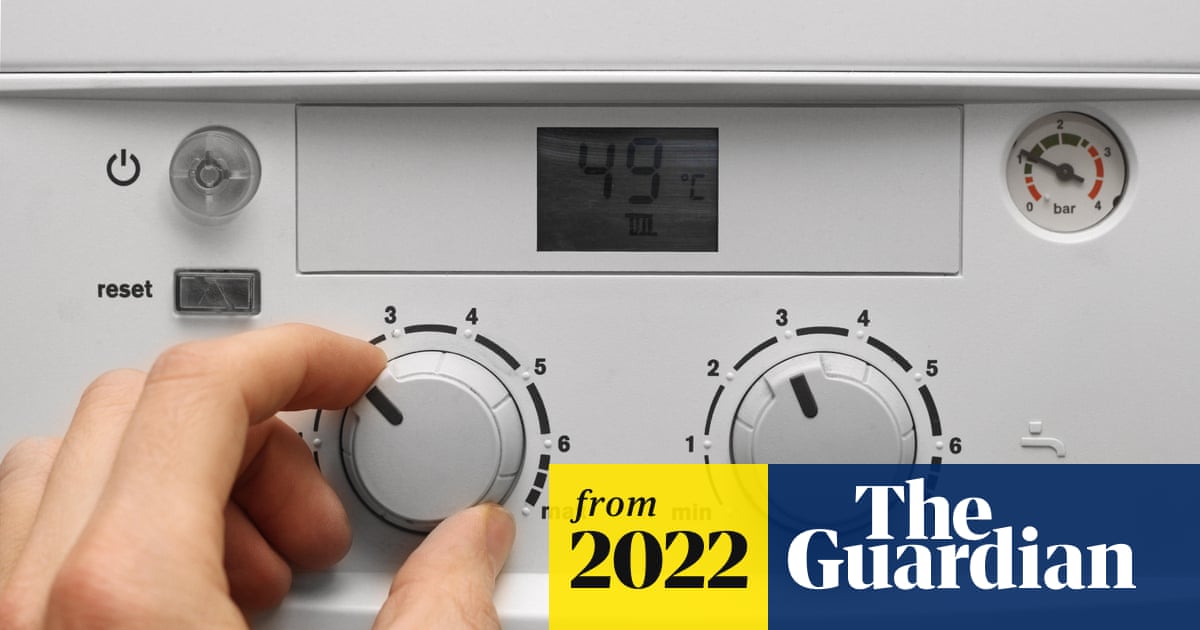
Hydrogen boilers work like regular gas boilers but use hydrogen instead of natural gas. They burn hydrogen to heat water for radiators or underfloor heating.
These boilers produce no carbon dioxide and fit into existing heating systems with minor changes. They are a direct replacement for gas boilers.
Fuel Cells For Home Heating
Fuel cells create heat and electricity by combining hydrogen with oxygen. They produce clean energy with high efficiency.
Fuel cells can power a home’s heating system while also supplying electricity. This reduces energy waste and lowers bills.
Hybrid Heating Systems
Hybrid heating systems use hydrogen alongside other energy sources like electricity or natural gas. They switch between fuels based on cost and availability.
These systems provide reliable heating and reduce emissions by using hydrogen when possible. They offer flexibility and help transition to cleaner energy.
Benefits Of Hydrogen Heating
Hydrogen heating is an emerging option for warming homes. It uses hydrogen gas as fuel instead of traditional sources like natural gas.
This method offers several benefits that can help the environment and save energy.
Environmental Impact
Hydrogen heating produces very little pollution. It does not release harmful particles that damage air quality.
- Reduces smog and soot
- Does not emit nitrogen oxides
- Supports cleaner urban air
Energy Efficiency
Hydrogen heating systems convert fuel into heat with high efficiency. They can use energy more effectively than some traditional heaters.
| Heating Type | Efficiency Rate |
| Hydrogen Boiler | 90-95% |
| Natural Gas Boiler | 70-85% |
| Electric Heater | 85-90% |
Reduction In Carbon Emissions
Using hydrogen for heating cuts down carbon emissions. This helps fight climate change and lowers your home’s carbon footprint.
Key reasons hydrogen reduces carbon emissions:
- Burns cleanly, producing only water vapor
- Can be made from renewable energy sources
- Reduces reliance on fossil fuels
Challenges And Limitations
Using hydrogen to heat homes shows promise but faces many challenges. These issues slow down its wide use in everyday heating.
This section looks at the main problems: infrastructure needs, safety, and costs.
Infrastructure Requirements
Hydrogen heating needs special equipment and networks. Homes and cities must adapt to handle hydrogen safely and efficiently.
- Hydrogen pipelines must be built or upgraded.
- Burners and boilers need redesigning for hydrogen use.
- Storage systems must keep hydrogen safe and stable.
- Detection and monitoring tools are required for leaks.
Safety Concerns
Hydrogen is highly flammable and has a low ignition energy. Homes need strict safety rules and technology to prevent accidents.
| Safety Issue | Description |
| Leak Risk | Hydrogen is colorless and odorless, making leaks hard to detect. |
| Flammability | Hydrogen ignites easily and burns with an invisible flame. |
| Storage Pressure | Hydrogen gas requires high pressure tanks for storage. |
| Material Compatibility | Hydrogen can weaken metals, causing cracks or leaks. |
Cost And Economic Factors
Hydrogen heating involves high costs. These expenses limit its use in many homes today.
- Building new pipelines and retrofitting homes is expensive.
- Producing green hydrogen requires costly energy sources.
- Maintaining hydrogen systems adds ongoing expenses.
- Current hydrogen prices are higher than natural gas.
Case Studies And Pilot Projects
Hydrogen is being tested as a way to heat homes in many projects. These pilot projects help us learn how well hydrogen works.
They show real examples of using hydrogen for home heating. This helps experts understand the benefits and challenges.
Successful Implementations
Some places have used hydrogen to heat homes safely and efficiently. These projects prove that hydrogen can work in real homes.
For example, the UK tested hydrogen in a whole village. Homes used hydrogen boilers with no major issues.
- UK H21 project replaced natural gas with hydrogen in homes.
- Japan tested hydrogen heating in apartment buildings.
- Germany used hydrogen in pilot homes with fuel cell heaters.
Lessons Learned
Projects showed that hydrogen heating needs new safety rules. Hydrogen leaks must be detected fast to avoid risks.
Infrastructure changes are needed. Pipelines and appliances must be upgraded for hydrogen use.
- Hydrogen requires special sensors for leak detection.
- Existing gas pipes may need changes to handle hydrogen.
- People need clear information about using hydrogen safely.
- Costs can be high at first but may fall with scale.
Future Prospects
Experts see hydrogen as a possible clean heating option. It could replace natural gas to lower carbon emissions.
More pilot projects will test hydrogen in different climates and homes. This will help improve the technology and lower costs.
- Expanding hydrogen networks for more homes.
- Developing cheaper hydrogen boilers and heaters.
- Combining hydrogen with renewable energy sources.
- Creating rules to support safe hydrogen heating.
Credit: www.homebuilding.co.uk
Hydrogen Vs Other Heating Options
Hydrogen is a new option for heating homes. It can be compared to common heating methods.
This article looks at hydrogen, natural gas, electric heating, and renewable energy sources for home heating.
Natural Gas
Natural gas is a popular heating fuel. It is easy to use and widely available.
Compared to hydrogen, natural gas is cheaper but produces more carbon emissions.
Electric Heating
Electric heating uses electricity to warm homes. It is clean at the point of use.
- Easy to install and control
- Can be costly depending on electricity prices
- Efficiency depends on electricity source
- No direct carbon emissions inside the home
Renewable Energy Sources
Renewable energy uses natural sources like sun and wind. It can power heating systems.
| Energy Source | Carbon Emissions | Cost | Availability |
| Solar Power | Very Low | High Initial | High in Sunny Areas |
| Wind Power | Very Low | Moderate | Variable by Location |
| Hydrogen | Low if Green | Currently High | Limited Infrastructure |
Policy And Market Trends
Hydrogen is gaining attention as a way to heat homes. Its use can reduce carbon emissions from heating systems. Many countries are exploring policies and market changes to support this shift.
Understanding how governments, industries, and consumers are reacting helps us see the future of hydrogen heating.
Government Incentives
Governments offer incentives to encourage hydrogen heating. These include grants, tax breaks, and funding for research. Such support helps lower costs and speeds up adoption.
Policies also set rules for using hydrogen safely in homes. Clear regulations give consumers and companies confidence.
- Financial aid for hydrogen heating projects
- Tax reductions for installing hydrogen systems
- Support for hydrogen infrastructure development
- Safety standards and building codes updates
Industry Investments
Many companies invest in hydrogen technology for heating. These investments fund new products and infrastructure. Industry growth shows rising interest and potential.
Partnerships between energy firms and technology providers help develop hydrogen supply chains. This cooperation reduces risks and builds market trust.
- Funding for hydrogen boilers and appliances
- Building hydrogen pipelines and storage
- Research on safe and efficient hydrogen use
- Collaboration between energy and tech companies
Consumer Adoption
Consumers show growing interest in hydrogen heating. Many want cleaner energy options for their homes. Awareness campaigns help explain hydrogen benefits and safety.
Early adopters try hydrogen heating in pilot programs. Their feedback helps improve products and build confidence in the market.
- Public education on hydrogen heating benefits
- Pilot projects in homes and communities
- Feedback collection to improve technology
- Increasing demand for low-carbon heating solutions
Frequently Asked Questions
Can Hydrogen Replace Natural Gas For Home Heating?
Yes, hydrogen can replace natural gas in home heating systems. It burns cleanly, producing only water vapor. However, infrastructure upgrades and safety standards are needed for widespread adoption.
Is Hydrogen Heating Cost-effective For Homeowners?
Currently, hydrogen heating is more expensive than traditional methods. Costs will decrease as technology advances and production scales up. Government incentives may also improve affordability in the future.
How Safe Is Hydrogen For Residential Heating?
Hydrogen is highly flammable but can be safely used with proper equipment. Modern safety measures, sensors, and regulations reduce risks in residential applications. Education and standards are key to safe hydrogen heating.
What Are The Environmental Benefits Of Hydrogen Heating?
Hydrogen heating produces zero carbon emissions when using green hydrogen. This helps reduce greenhouse gases and combat climate change. It offers a clean alternative to fossil fuel-based home heating.
Conclusion
Hydrogen holds promise for heating homes in the future. Its potential is vast. Cleaner energy is crucial for a sustainable planet. Hydrogen offers a greener alternative to fossil fuels. Challenges remain, like infrastructure and cost. Yet, research and innovation continue.
Many countries explore hydrogen’s role in energy. Awareness and education are vital for progress. People need to understand its benefits and limitations. With time, hydrogen may become a common energy source. Its journey is just beginning. The future of home heating could be brighter and cleaner with hydrogen.