
Are you worried about how much it will cost to keep your mobile home comfortable all year round? Heating and cooling can sometimes feel like a mystery when it comes to mobile homes.
You might be asking yourself, “Will my energy bills skyrocket? ” or “Is it harder to control the temperature inside? ” Understanding the real costs and what affects them can save you money and stress. Keep reading, and you’ll discover simple facts and smart tips that can help you take control of your heating and cooling expenses.
Factors Affecting Heating And Cooling Costs
Heating and cooling a mobile home can cost different amounts. Many things change how much energy you use.
Knowing these factors helps you understand your bills better. It can also help you save money.
Insulation Quality
Insulation keeps warm air inside during winter. It keeps cool air inside during summer. Good insulation lowers energy costs.
Poor insulation makes your heater and air conditioner work harder. This uses more energy and raises bills.
- Check walls and roof for insulation type
- Use insulation that fits mobile home standards
- Seal gaps to stop air leaks
Climate Considerations
Where you live affects heating and cooling costs. Hot climates need more cooling. Cold climates need more heating.
Season changes can also change your energy use. Some places have mild weather all year. Others have extreme temperatures.
- Hot areas use air conditioning often
- Cold areas use heating systems more
- Mild climates need less energy overall
Home Size And Layout
Bigger homes take more energy to heat and cool. More rooms and open spaces can change airflow and temperature.
Compact layouts can save energy. Large windows or high ceilings may increase heating and cooling needs.
- Smaller homes use less energy
- Open floor plans can affect temperature control
- Window size and placement matter

Credit: www.cbc.ca
Heating Systems For Mobile Homes
Mobile homes need efficient heating to stay warm in cold weather. Choosing the right system can save money and energy. Different heating options work well in mobile homes.
This guide explains common heating systems for mobile homes. It covers furnaces, heat pumps, and electric heaters. Each system has its own benefits and costs.
Furnace Options
Furnaces are popular for heating mobile homes. They use gas, propane, or electricity. Gas and propane furnaces heat quickly and keep homes warm all day.
- Gas furnaces are common and affordable to run.
- Propane furnaces work well where gas is not available.
- Electric furnaces are easy to install but cost more to operate.
- Regular maintenance improves furnace efficiency and safety.
Heat Pumps
Heat pumps cool and heat mobile homes. They move heat instead of creating it. Heat pumps use less energy than traditional furnaces.
| Type | Heating Efficiency | Cooling Ability | Energy Use |
| Air Source Heat Pump | Good | Yes | Low |
| Ground Source Heat Pump | Very Good | Yes | Very Low |
| Mini Split Heat Pump | Good | Yes | Low |
Electric Heaters
Electric heaters are simple and safe for mobile homes. They are easy to install and need little space. Electric heaters work best in small areas or as backup heat.
- Baseboard heaters provide steady heat along walls.
- Space heaters heat single rooms quickly.
- Electric furnaces heat entire homes but use more power.
- Electric heaters have low upfront costs but higher running costs.
Cooling Systems For Mobile Homes
Mobile homes need special cooling systems to stay comfortable. These homes can get hot fast in summer.
Choosing the right cooling system helps save energy and money. It also keeps the air fresh and cool.
Air Conditioning Units
Air conditioners are common in mobile homes. They cool the air by removing heat and humidity.
Window or wall units fit well in mobile homes. They are easy to install and use less space.
- Offer strong cooling power
- Use electricity to work
- Require regular maintenance
- Can increase energy costs if used often
Evaporative Coolers
Evaporative coolers use water to cool the air. They work best in dry climates.
These coolers use less electricity than air conditioners. They also add moisture to dry air.
- Lower energy use
- Good for dry areas
- Need fresh air to work well
- May not cool well in humid places
Ventilation Solutions
Proper ventilation helps remove hot air inside mobile homes. It also brings in cooler outside air.
Fans and vents improve air flow. This reduces the need for strong cooling systems.
- Ceiling fans move air to cool skin
- Roof vents let hot air escape
- Window vents bring in fresh air
- Use little or no electricity
Energy Efficiency Tips
Mobile homes can be costly to heat and cool if they are not energy efficient. Using simple energy-saving tips helps lower bills and keeps your home comfortable.
Small changes make a big difference in how much energy your mobile home uses. Focus on insulation, sealing leaks, and HVAC care.
Improving Insulation
Good insulation keeps warm air inside during winter and cool air in summer. Many mobile homes lack enough insulation in walls and floors.
Adding insulation or upgrading old insulation helps reduce energy loss. Use foam boards, spray foam, or fiberglass batts in key areas.
- Check attic and wall insulation thickness
- Install insulation under the floor if possible
- Use insulated skirting around the base of the home
Sealing Air Leaks
Air leaks let outside air enter and inside air escape. This makes your heating and cooling systems work harder.
Seal gaps around windows, doors, vents, and pipes. Weatherstripping and caulk are easy ways to block leaks.
- Use weatherstripping on doors and windows
- Fill cracks and holes with caulk
- Seal gaps around plumbing and electrical openings
Efficient Hvac Maintenance
Regular maintenance keeps your heating and cooling systems running well. Clean filters and check for problems often.
Replace filters every 1-3 months. Keep outdoor units free of debris and inspect ducts for leaks.
- Change air filters regularly
- Clear debris from outdoor HVAC units
- Inspect and seal ductwork leaks
- Schedule professional tune-ups yearly
Cost Comparison With Traditional Homes
Mobile homes can be less expensive than traditional homes. Understanding heating and cooling costs helps buyers make smart choices.
This guide compares the costs involved in heating and cooling mobile homes versus traditional houses.
Initial Investment Analysis
Mobile homes usually cost less to buy and set up. Traditional homes need more spending on insulation and HVAC systems.
- Mobile homes have built-in systems that are often smaller and simpler.
- Traditional homes require larger HVAC units for bigger spaces.
- Initial setup of heating and cooling in mobile homes is often cheaper.
- Traditional homes may need extra costs for ductwork and better insulation.
Long-term Operating Costs
Operating costs depend on energy efficiency and size. Mobile homes are smaller, which lowers energy use.
| Type of Home | Average Monthly Heating Cost | Average Monthly Cooling Cost |
| Mobile Home | $50 – $80 | $40 – $70 |
| Traditional Home | $100 – $150 | $80 – $130 |
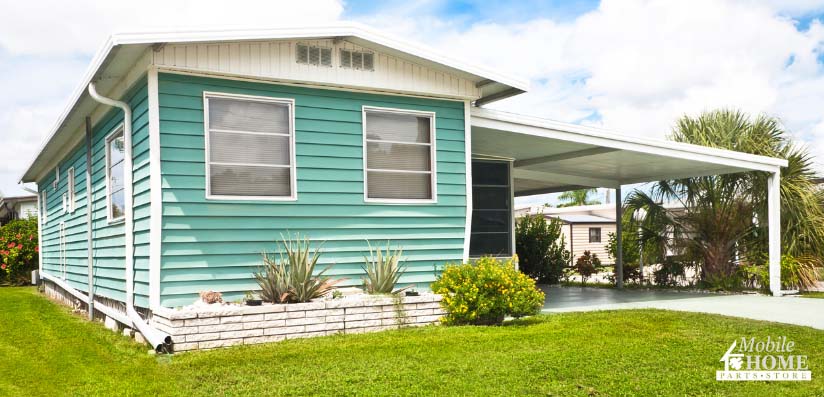
Credit: mobilehomepartsstore.com
Innovative Technologies
Heating and cooling mobile homes can be costly. New technologies help lower these expenses. These tools improve comfort and save energy.
Using smart devices and clean energy makes managing temperature easier. These options fit well in mobile homes and reduce bills.
Smart Thermostats
Smart thermostats control heating and cooling automatically. They learn your schedule and adjust temperatures to save energy. You can control them from your phone or tablet.
- Set temperature remotely
- Save energy by adjusting when you are away
- Track energy use over time
- Get alerts about system issues
Renewable Energy Options
Mobile homes can use renewable energy to heat and cool. Solar panels and small wind turbines provide clean power. These options lower electric bills and reduce pollution.
| Energy Source | Use | Benefits |
| Solar Panels | Power heating and cooling systems | Reduce electricity bills, low maintenance |
| Wind Turbines | Generate electricity for home use | Clean energy, works day and night |
| Geothermal Heat Pumps | Heat and cool using ground temperature | Very efficient, lowers energy costs |

Credit: www.furnaceprices.ca
Frequently Asked Questions
Are Mobile Homes More Costly To Heat Than Traditional Homes?
Mobile homes can be more expensive to heat due to thinner insulation and smaller space. Proper insulation upgrades reduce heating costs significantly.
How Efficient Is Cooling A Mobile Home In Summer?
Cooling efficiency depends on insulation quality and HVAC system. Well-maintained units with good ventilation cool mobile homes effectively and affordably.
What Factors Affect Heating And Cooling Costs In Mobile Homes?
Insulation quality, HVAC efficiency, home size, and climate impact costs. Upgrading insulation and using energy-efficient systems lowers monthly expenses.
Can Insulation Improvements Reduce Mobile Home Energy Bills?
Yes, adding or upgrading insulation greatly lowers heating and cooling expenses. It keeps indoor temperatures stable and reduces HVAC workload.
Conclusion
Mobile homes can cost more to heat and cool than regular houses. Their thin walls and poor insulation cause energy loss. Still, using good insulation and efficient systems lowers bills. Small changes make a big difference in comfort and cost.
Knowing these facts helps you plan better for expenses. Heating and cooling don’t have to break your budget. Simple steps keep your mobile home cozy year-round.