
Are you looking to give your bathroom a fresh, modern look without a full renovation? A floating bathroom vanity might be exactly what you need.
This sleek design not only saves space but also creates a clean, airy feel that can make your bathroom look bigger and brighter. You’ll discover what a floating bathroom vanity is, why it’s becoming so popular, and how it can transform your space effortlessly.
Keep reading to find out if this stylish upgrade is the perfect fit for your bathroom.

Credit: www.neonovadecor.ca
Floating Vanity Basics
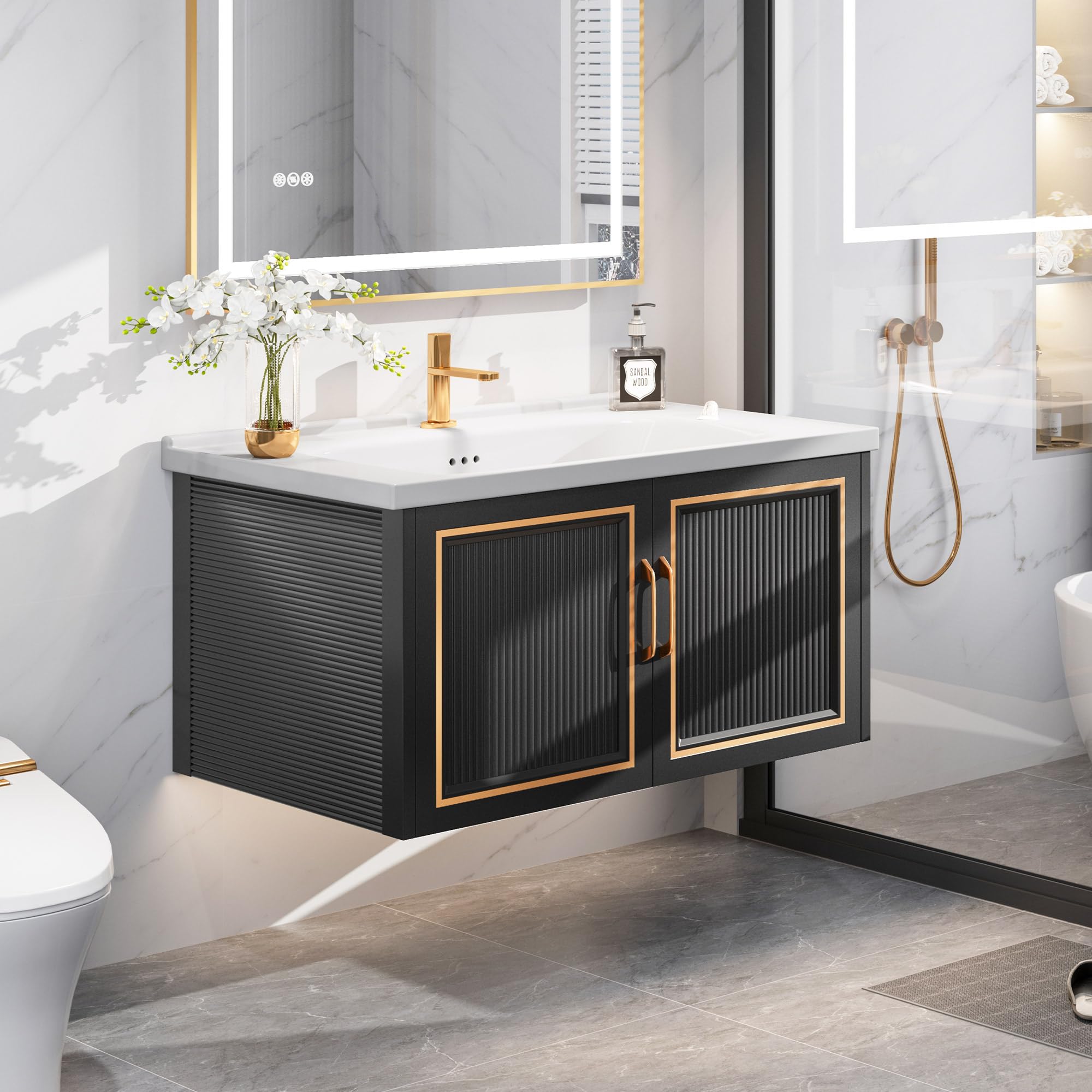
A floating bathroom vanity is a sink cabinet mounted on the wall. It does not touch the floor. This design gives the bathroom a modern and open look.
Floating vanities save floor space and make cleaning easier. They come in many styles and sizes to fit different bathrooms.
What Is A Floating Bathroom Vanity?
A floating vanity hangs on the wall without legs or a base. It looks like it is “floating” above the floor. This style creates a clean and simple bathroom look.
These vanities often have storage space inside, just like regular vanities. The difference is that the floor below is free and visible.
Benefits Of Floating Vanities
Floating vanities offer several advantages for bathrooms. They make rooms appear larger by showing more floor space. This can help small bathrooms feel less crowded.
They also allow easy cleaning under the vanity. You can reach the floor without moving furniture. This design helps keep bathrooms tidy.
- Creates a modern look
- Makes small bathrooms feel bigger
- Easy to clean underneath
- Offers storage space
How Floating Vanities Are Installed
Floating vanities attach directly to wall studs. Strong brackets support their weight. Proper installation is important to hold the vanity safely.
Plumbing pipes hide inside the wall or vanity. This keeps the look clean and neat. A professional can ensure the vanity is secure and plumbing works well.
Materials Used For Floating Vanities
Floating vanities use different materials for style and durability. Common options include wood, plywood, and MDF. Some have waterproof finishes to resist moisture.
- Solid wood: strong and classic
- Plywood: lightweight and durable
- MDF: affordable with smooth finish
- Water-resistant coatings protect surfaces
Design And Style Options
A floating bathroom vanity is a popular choice for many homeowners. It offers a clean look and saves floor space. You can find many styles and designs to fit your bathroom’s theme.
Below are some common design choices. These options help you pick a vanity that matches your bathroom’s style and your personal taste.
Modern Aesthetics
Modern floating vanities focus on sleek lines and minimalism. They often use smooth surfaces and neutral colors. Materials like glass, metal, and polished wood are common. These vanities usually have hidden handles or push-to-open drawers.
- Flat-panel cabinet doors
- Matte or glossy finishes
- Under-cabinet lighting for a floating effect
- Simple hardware or no hardware
- Neutral colors like white, black, or gray
Traditional Styles
Traditional floating vanities add warmth with classic details. They often feature wood grain and decorative moldings. These vanities may have raised panel doors and ornate hardware. Colors tend to be richer, such as deep browns or soft creams.
| Feature | Modern Style | Traditional Style |
| Materials | Glass, metal, polished wood | Natural wood, painted finishes |
| Colors | White, black, gray | Warm browns, cream, pastel |
| Hardware | Minimal or hidden | Decorative knobs and handles |
| Design | Sleek, simple lines | Detailed moldings, panels |
Customizable Features
Many floating vanities offer customizable options. You can choose the size, color, and materials. Some vanities allow you to add extra storage or change the number of drawers. Custom lighting and hardware are also popular choices.
Customizable options include:
- Choice of wood types and finishes
- Drawer and cabinet configuration
- Integrated lighting styles
- Countertop materials like stone or quartz
- Hardware design and finish
Space-saving Benefits
A floating bathroom vanity is a sink cabinet mounted on the wall. It does not touch the floor. This design saves floor space in bathrooms.
These vanities give a modern look and make cleaning easier. They help small bathrooms feel less crowded.
Optimizing Small Bathrooms
Floating vanities free up floor space below the sink. You can use this space for storage baskets or keep it open for a neat look.
Because they don’t take up floor space, these vanities allow you to move more freely in tight bathrooms. This makes small rooms feel larger.
- Extra storage space below the vanity
- Easier floor cleaning
- Better movement in small areas
- More room for bathroom accessories
Creating Illusions Of Space
Floating vanities create a clear floor area. This open space tricks the eye into seeing a bigger room.
The visible floor under the vanity makes the bathroom look airy and bright. This design stops the room from feeling cramped.
- Open floor space makes rooms look larger
- Light reflects better under the vanity
- Wall mounting adds a modern, clean style
- Less visual clutter improves room flow
Installation Considerations
Installing a floating bathroom vanity takes careful planning. You must think about wall strength and plumbing setup. The right height also matters for comfort and style.
This guide covers key points to help you install your floating vanity safely and correctly.
Wall Mounting Techniques
Floating vanities need strong support from the wall. You must find studs or use special anchors to hold the weight. Mounting brackets or cleats provide extra security.
Check the wall type before installation. Drywall alone cannot hold the vanity. Use a stud finder to locate wooden studs or metal framing.
- Locate wall studs with a stud finder
- Use heavy-duty mounting brackets or cleats
- Secure brackets into studs for strong support
- Avoid hanging on drywall only
Plumbing Adjustments
Plumbing must fit behind the vanity without blocking the mount. Pipes may need to be shortened or moved. Plan plumbing layout before fixing the vanity to the wall.
Make sure drain and water lines line up with the sink. Use flexible hoses if needed. Check for leaks after installation.
- Check pipe locations before mounting
- Adjust pipe length or position as needed
- Use flexible connectors for easy alignment
- Test all plumbing connections for leaks
Choosing The Right Height
Select a vanity height that suits your needs. The standard height is about 32 to 36 inches from the floor. Adjust height for children or taller users.
Measure before installation to avoid discomfort. The vanity should allow easy use of the sink and storage.
- Standard height: 32 to 36 inches
- Lower height for children or small spaces
- Higher height for taller adults
- Check comfort by simulating usage
Materials And Durability
Floating bathroom vanities come in different materials. Each type offers a mix of style and strength.
Choosing the right material helps your vanity last longer and look better in your bathroom.
Wood And Laminate Options
Wood gives a warm, natural look to floating vanities. Solid wood is strong but needs care.
Laminate covers wood or MDF to protect it from water. It is easy to clean and budget-friendly.
- Solid wood offers good durability if sealed well
- Laminate is scratch-resistant and comes in many colors
- MDF with laminate is cost-effective but less strong than solid wood
Stone And Quartz Choices
Stone and quartz vanities give a sleek, modern look. They are very durable and resist water well.
Quartz is engineered stone. It is harder and less porous than natural stone like granite or marble.
- Granite is strong and heat-resistant
- Marble looks elegant but needs sealing
- Quartz is low-maintenance and durable
Water-resistant Finishes
Water-resistant finishes protect floating vanities from moisture damage. They add to the lifespan.
Common finishes include varnish, lacquer, and polyurethane. They create a hard, protective surface.
- Varnish enhances wood grain and protects from water
- Lacquer dries fast and gives a smooth finish
- Polyurethane is strong and resists scratches and water
Maintenance Tips
Keeping a floating bathroom vanity clean and well-maintained helps it last longer. Regular care prevents damage and keeps it looking nice.
This guide covers simple cleaning steps and ways to avoid water damage for your vanity.
Cleaning Practices
Clean your floating vanity often to avoid dirt buildup. Use soft cloths and mild cleaners to protect the finish.
- Wipe the surface with a damp microfiber cloth.
- Use gentle soap or a cleaner made for wood or laminate.
- Dry the vanity after cleaning to prevent spots.
- Avoid harsh chemicals and abrasive sponges.
- Clean spills immediately to stop stains.
Preventing Water Damage
Water damage can ruin your floating vanity. Protect it by checking seals and keeping water off the wood.
| Action | Reason |
| Seal edges with waterproof caulk | Stops water from seeping under the vanity |
| Fix leaks in plumbing quickly | Prevents constant moisture exposure |
| Use bath mats near the vanity | Catches water drops from sinks or showers |
| Ventilate the bathroom well | Reduces humidity that harms wood |
| Inspect vanity regularly for damage | Finds problems early before they worsen |
Cost And Budgeting
Floating bathroom vanities add style and space to your bathroom. Knowing the costs helps you plan your budget better. Prices vary by size, material, and brand.
Careful budgeting ensures you get the best vanity without overspending. This guide covers price ranges and value for money.
Price Ranges
Floating vanities come in many price ranges. Your choice depends on material, design, and features. Here is a simple list of common price categories.
- Budget: $150 to $400 – Basic materials and small sizes
- Mid-Range: $400 to $1,000 – Better materials and moderate sizes
- High-End: $1,000 to $3,000+ – Premium materials and custom designs
Value For Money
Evaluating value helps you pick the right vanity. Look at durability, style, and installation cost. Here is a table showing factors to consider for value.
| Factor | Why It Matters | Tips |
|---|---|---|
| Material Quality | Lasts longer and resists water damage | Choose solid wood or high-grade MDF |
| Installation | Floating vanities need strong wall support | Hire a pro if unsure |
| Design | Matches your bathroom style | Pick neutral colors for flexibility |
| Storage Space | Keeps bathroom tidy | Check drawer and shelf size |

Credit: www.amazon.com
Environmental Impact
Floating bathroom vanities can help reduce environmental harm. They use less material than traditional vanities. This can lower waste and energy use.
Choosing the right materials and design can make a floating vanity eco-friendly. It supports a greener home and planet.
Sustainable Materials
Sustainable materials come from sources that renew quickly or have low impact. They help protect forests and reduce pollution.
Common materials for floating vanities include bamboo, reclaimed wood, and recycled metal. These use fewer new resources.
- Bamboo grows fast and absorbs carbon dioxide
- Reclaimed wood reuses old wood, saving trees
- Recycled metal reduces mining and waste
Eco-friendly Design Choices
Design choices affect how much water, energy, and waste a vanity creates. Floating vanities use less material and space.
Simple designs with fewer parts reduce waste. Using water-saving faucets and durable finishes also helps lower impact.
- Wall-mounted design cuts material use
- Compact size saves space and resources
- Durable finishes last longer, reducing replacements
- Water-saving faucets lower water use
Credit: www.amazon.ca
Frequently Asked Questions
What Is A Floating Bathroom Vanity?
A floating bathroom vanity is a wall-mounted unit without floor support. It creates a modern, open space look and makes cleaning easier beneath.
How Does A Floating Vanity Save Bathroom Space?
Floating vanities free up floor area, making bathrooms look larger. They allow better movement and storage options underneath, ideal for small spaces.
Are Floating Vanities Durable And Sturdy?
Yes, floating vanities are durable when properly installed. They require strong wall anchors to support weight and ensure long-lasting stability.
Can Floating Vanities Fit Any Bathroom Style?
Floating vanities suit various styles, from modern to minimalist. Their sleek design adds elegance and complements diverse bathroom decors.
Conclusion
A floating bathroom vanity adds style and space to any bathroom. It keeps the floor clear, making cleaning easier. The design fits small and large rooms well. You can choose many shapes and colors to match your taste. This vanity type helps your bathroom look modern and neat.
It’s a smart choice for a fresh, open feel. Consider it for your next bathroom update. Simple, practical, and stylish—a floating vanity makes a great addition.