
Are your faux leather dining chairs looking dull or outdated? You might be wondering if you can simply paint them to give your dining space a fresh new look.
The good news is, yes—you can paint faux leather dining chairs, but there are some important tips and tricks you need to know first. Keep reading to discover how you can transform your chairs easily and avoid common mistakes that could ruin your project.
Your dining room makeover is closer than you think!
Choosing The Right Paint
Painting faux leather dining chairs can change their look. Picking the right paint is key for good results. The paint must stick well and last long on the surface.
Different paints work better on faux leather. It is important to understand the types and their features before starting the project.
Types Of Paint For Faux Leather
Not all paints suit faux leather. Some are too stiff or do not stick well. Here are common types used for faux leather surfaces.
- Acrylic Paint:Water-based and flexible. Good for furniture and easy to clean.
- Leather Paint:Made for leather and faux leather. Flexible and durable.
- Spray Paint:Offers smooth coverage but must be flexible for faux leather.
- Oil-Based Paint:Durable but can crack on flexible surfaces. Use with caution.
Benefits Of Flexible Paints
Flexible paints bend with faux leather. They prevent cracks and peeling. This keeps chairs looking nice longer.
| Benefit | Details |
|---|---|
| Durability | Flexible paints last longer on moving surfaces. |
| Comfort | The paint moves with the chair, keeping it soft. |
| Appearance | Prevents cracking and flaking, keeping a fresh look. |
Avoiding Paint Cracks
Cracks appear when paint is too stiff or applied wrong. Use these tips to avoid cracks on faux leather chairs.
- Choose flexible paint made for faux leather.
- Clean chair surface before painting.
- Apply thin, even coats and let dry fully.
- Avoid heavy layers that can crack when bending.
- Keep chairs away from heat and direct sunlight.
Preparing The Chairs
Painting faux leather dining chairs can change their look. Proper preparation helps the paint stick well.
Cleaning, sanding, and fixing the chairs are key steps before painting. These steps make the surface ready.
Cleaning The Surface
Start by removing dust and dirt from the chairs. Use a soft cloth with mild soap and water.
Wipe the surface gently and dry it well. Clean surfaces help the paint stick better and last longer.
Sanding Techniques
Lightly sand the faux leather to roughen the surface. Use fine-grit sandpaper for best results.
Sand in a circular motion and avoid pressing too hard. This helps the paint grip the material.
- Use 220-grit sandpaper for smooth sanding
- Wear a mask to avoid dust inhalation
- Wipe off sanding dust with a damp cloth
Repairing Damages
Check for cracks or tears in the faux leather. Small damages should be fixed before painting.
Use a vinyl repair kit or glue to fix holes. Let the repair dry fully before moving on.
- Clean the area before applying repair material
- Apply repair glue evenly over cracks
- Press edges together and hold until set
- Allow drying time as per product instructions
Painting Process
Painting faux leather dining chairs can refresh their look. The process needs care to keep the material smooth.
Follow the right steps to ensure paint sticks well and lasts long on the chairs.
Tools Needed
You need some basic tools before starting. Having everything ready makes painting easier and neater.
- Fine-grit sandpaper
- Cleaner or mild soap
- Lint-free cloth
- Leather primer
- Paint for faux leather (acrylic or leather paint)
- Foam brushes or small rollers
- Painter’s tape
- Protective gloves
Applying Primer
Primer helps paint stick well to faux leather. It also prevents peeling and cracking over time.
Clean the chair surface first. Then apply a thin, even coat of primer using a foam brush.
- Wipe chair with cleaner and let dry
- Use painter’s tape to cover areas you don’t want painted
- Apply primer in smooth, light strokes
- Wait for primer to dry fully before painting
Painting Tips And Tricks
Painting faux leather requires gentle layers. Thick paint can crack when the chair bends.
Use light coats and let each dry before adding another. This gives a smooth finish that lasts.
- Shake paint well before use
- Apply thin, even coats
- Use a foam brush or roller for smooth coverage
- Paint in a well-ventilated area
- Avoid heavy brush strokes to prevent texture
- Let paint dry fully between coats
Drying Time
Drying time affects how well the paint sticks and how durable it is. Patience is key.
Allow at least 1 hour for each thin coat to dry. For best results, wait 24 hours before use.
- Dry in a dust-free, ventilated space
- Do not rush the process
- Multiple thin coats take longer but last longer
- If needed, use a hairdryer on low to speed drying

Credit: angelusdirect.com
Sealing And Protecting
Painting faux leather dining chairs can change their look. Sealing and protecting the paint keeps it lasting longer. This step stops chips and scratches on the surface.
Good sealing also helps the chairs resist stains and water damage. It makes cleaning easier and keeps the color fresh.
Choosing The Right Sealant
Pick a sealant that works well with faux leather and paint. Clear acrylic sealants are a popular choice. They dry fast and do not change the color.
Make sure the sealant is flexible. This helps it move with the chair without cracking. Avoid thick or glossy sealants that look unnatural.
- Use water-based acrylic sealants
- Choose flexible, clear finishes
- Avoid thick, shiny coatings
Applying The Sealant
Clean the chair surface before applying sealant. Use a soft cloth to remove dust and dirt. Apply thin, even coats with a brush or spray.
Let each coat dry fully before adding another. Usually, two or three coats give good protection. Avoid heavy layers that may peel later.
- Wipe the chair clean first
- Use thin, even sealant coats
- Wait for each coat to dry
- Apply 2-3 coats for best results
Maintaining The Finish
Keep the painted and sealed chairs clean with a soft cloth. Avoid harsh cleaners that can damage the sealant. Use mild soap and water for cleaning.
Check the chairs for scratches or wear regularly. Touch up the sealant to keep the protection strong. Store chairs away from direct sunlight to prevent fading.
- Clean with mild soap and soft cloth
- Avoid strong chemicals or scrubbing
- Touch up sealant if needed
- Keep chairs out of direct sun
Common Mistakes To Avoid
Painting faux leather dining chairs can freshen their look. It takes care and the right steps. Avoiding common mistakes helps the paint last longer and look better.
Read on to learn about three key mistakes to avoid when painting faux leather chairs.
Skipping Surface Prep
Not cleaning or sanding the chair surface first can cause paint to peel. Dirt and oils stop paint from sticking well. Always prepare the surface before painting.
- Clean the chair with mild soap and water.
- Dry it completely before painting.
- Lightly sand the surface with fine-grit sandpaper.
- Remove dust with a clean cloth after sanding.
Using Incompatible Paints
Not all paints work on faux leather. Some paints can crack or peel soon after drying. Use paints designed for vinyl or leather-like materials.
| Paint Type | Suitable for Faux Leather |
| Acrylic Leather Paint | Yes |
| Oil-based Paint | No |
| Spray Paint for Vinyl | Yes |
| Watercolor or Regular Acrylic | No |
Ignoring Drying Times
Rushing to use the chair before paint dries can ruin the finish. Paint needs enough time to dry and cure for strong adhesion and durability.
- Follow the paint manufacturer’s drying time instructions.
- Wait at least 24 hours before heavy use.
- Allow more time in humid or cold conditions.
- Do not apply a second coat before the first is dry.

Credit: www.habitat.co.uk
Alternative Options
Painting faux leather dining chairs can be tricky. The surface is smooth and does not hold paint well.
There are other ways to change or refresh your dining chairs. These options can improve the look without painting.
Using Fabric Covers
Fabric covers are easy to use and come in many styles. They fit over your chairs and hide the faux leather.
You can choose fabrics like cotton, linen, or polyester. Covers can add color and texture to your dining area.
- Simple to install and remove
- Protects the chair surface
- Offers many design choices
- Easy to clean or replace
Professional Reupholstering
Reupholstering replaces the chair’s covering with new material. Experts remove old faux leather and add fabric or real leather.
This option gives a fresh, high-quality look. It takes more time and money but lasts longer than paint or covers.
- Choice of many fabrics and colors
- Improves chair comfort and style
- Requires skilled labor
- Better durability than painting
Vinyl Wraps
Vinyl wraps are thin sheets that stick to the chair surface. They come in many colors and patterns.
Wraps are a good choice for faux leather chairs. They cover the old surface and can be removed later without damage.
- Easy to apply with basic tools
- Water-resistant and easy to clean
- Available in many finishes
- Less permanent than reupholstering
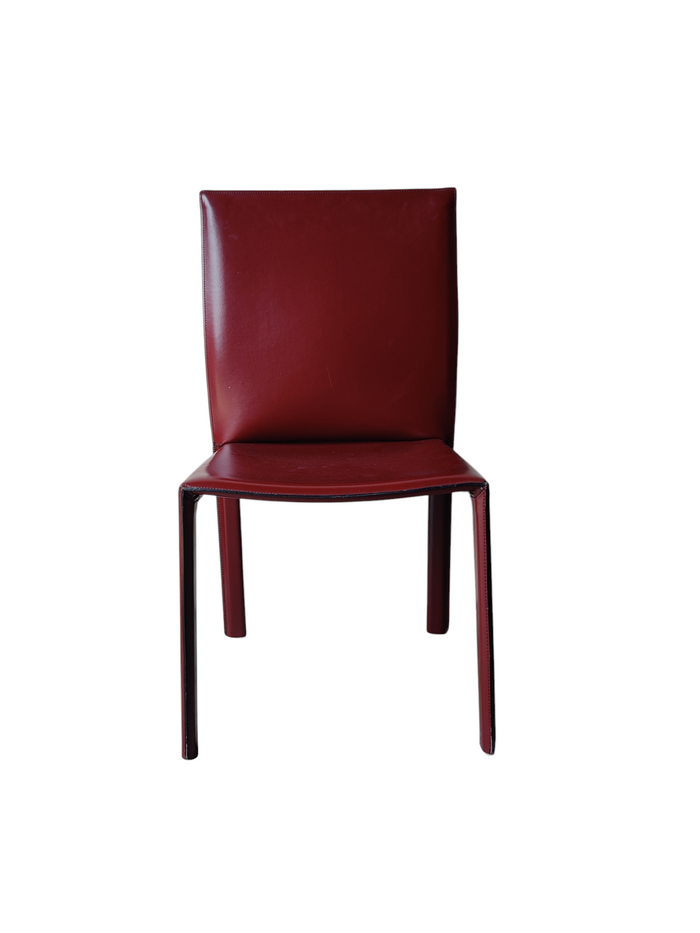
Credit: habitatrestore.ca
Frequently Asked Questions
Can You Paint Faux Leather Dining Chairs Safely?
Yes, you can paint faux leather dining chairs safely. Use flexible leather paint and prepare the surface well. Clean the chairs thoroughly and apply a primer before painting. This ensures better paint adhesion and durability without damaging the faux leather material.
What Type Of Paint Works Best On Faux Leather?
Acrylic leather paint or flexible vinyl paint works best on faux leather. These paints bend with the material, preventing cracks. Avoid regular spray paint, as it may peel or crack. Proper paint choice ensures a long-lasting, smooth finish on dining chairs.
How Do You Prepare Faux Leather Before Painting?
Clean the faux leather with mild soap and water to remove dirt. Lightly sand the surface to create texture for better paint grip. Apply a suitable primer designed for synthetic materials. Proper preparation ensures paint adheres well and lasts longer on dining chairs.
Will Painting Affect Faux Leather Chair Durability?
Painting faux leather with flexible paint does not reduce durability. It can actually protect the surface from wear and tear. However, improper prep or wrong paint may cause peeling or cracking. Use recommended products and techniques for best results.
Conclusion
Painting faux leather dining chairs can refresh their look quickly. Choose the right paint and prep the surface well. Use thin layers to avoid cracking or peeling later. Let each coat dry fully before adding another. This small project saves money and adds style to your space.
Try it yourself and enjoy a fresh, new feel at your table. Easy, affordable, and creative. Why not give it a shot?