
Are you wondering if you can paint your teakwood dining room table? Maybe your table looks a little worn, or you want a fresh new color to match your style.
Teakwood is known for its beauty and durability, but painting it isn’t as simple as it seems. Before you grab that brush, there are important things you need to know. Keep reading to discover whether painting your teak table is the right choice for you—and how to do it the right way if you decide to go for it.
Your dining room could get the makeover it deserves without ruining that beautiful wood underneath.
Benefits Of Painting Teakwood
Painting a teakwood dining room table can give it a fresh new look. It changes the style of the room and protects the wood.
Many people wonder if painting teakwood is a good idea. There are clear benefits to doing this, from look to function.
Enhancing Aesthetic Appeal
Painting teakwood lets you change its color and style to match your decor. It can brighten a dull room or add a modern touch.
- Choose colors that fit your room’s theme
- Hide scratches or blemishes on the surface
- Create a unique look with patterns or finishes
- Refresh old furniture without buying new pieces
Protecting The Wood
Teakwood is strong but still needs care. Painting adds a layer that guards against damage.
| Protection Type | Benefit |
| Sealant Paint | Stops moisture from seeping in |
| UV-Resistant Paint | Prevents sun damage and fading |
| Scratch-Resistant Coating | Reduces wear from daily use |
Customizing Your Space
Painting your teakwood table lets you express your style. You can match it to your home or change it with the seasons.
Some creative ideas include:
- Painting geometric shapes for a modern look
- Using chalkboard paint for notes and drawings
- Adding stencils or decals for detail
- Mixing colors for a gradient effect

Credit: www.youtube.com
Preparing The Teakwood Surface
Painting a teakwood dining room table needs good surface preparation. This step helps paint stick well and last longer.
Teakwood has natural oils that can stop paint from drying properly. Cleaning and sanding remove these oils and old finishes.
Cleaning And Sanding
Start by cleaning the table with a mild soap and water mix. Use a soft cloth to remove dust and dirt.
After cleaning, sand the surface lightly with fine-grit sandpaper. Sanding removes the shiny layer and helps paint stick.
- Use 120 to 150 grit sandpaper
- Sand in the direction of the wood grain
- Wipe away dust with a tack cloth
Removing Old Finish
Old varnish or sealants block paint from sticking. Remove these finishes fully before painting.
Use a chemical stripper or sand the table down to bare wood. Follow product instructions if you use a stripper.
- Apply stripper evenly and wait as directed
- Scrape off the loosened finish gently
- Sand the surface smooth after stripping
Fixing Imperfections
Check the table for cracks, dents, or holes. Fill these gaps to get a smooth surface before painting.
Use wood filler that matches the teak color. Let it dry and sand the area smooth to blend with the wood.
- Fill cracks and holes with wood filler
- Let filler dry completely
- Sand filled spots smooth with 150-grit sandpaper
Choosing The Right Paint
Painting a teakwood dining room table needs careful thought. The paint should protect the wood and look good.
Picking the right paint helps keep the table strong and beautiful for years.
Types Of Paint Suitable For Teak
Teak is oily and dense. Use paint that sticks well and resists water. Oil-based paints and spar varnishes work best.
- Oil-based paint: Offers strong protection and smooth finish.
- Spar varnish: Good for outdoor use, flexible and water-resistant.
- Acrylic latex paint: Easier to clean, but needs a good primer first.
- Teak oil: Enhances natural color but is not paint; use with paint for best results.
Color Selection Tips
Choose colors that fit your room and style. Light colors brighten the space. Dark colors add warmth.
| Color Type | Effect |
| Light shades | Make the room feel larger and airy |
| Dark shades | Give a cozy and rich look |
| Natural wood tones | Keep the classic teak appearance |
| Bold colors | Add a modern and lively touch |
Durability Considerations
Paint must last through daily use and cleaning. Choose paints that resist scratches and stains.
Here are ways to improve paint durability:
- Prepare the surface by sanding and cleaning well.
- Use a primer designed for oily woods like teak.
- Apply multiple thin coats of paint.
- Seal with a clear topcoat for extra protection.

Credit: www.lemon8-app.com
Painting Techniques For Teak Tables
Painting a teakwood dining room table gives it a new look. Teak is a strong wood but has natural oils. These oils make painting tricky without proper steps.
This guide covers how to prepare, paint, and protect your teak table. Follow these techniques for lasting results.
Priming The Surface
Start by cleaning the table well. Remove dirt and oils with a mild detergent and water. Let it dry completely before priming.
- Sand the surface lightly with fine-grit sandpaper to remove gloss.
- Choose a primer made for oily woods like teak.
- Apply the primer evenly using a brush or roller.
- Allow the primer to dry fully before painting.
Applying Paint Layers
Use paint designed for wood and outdoor use if the table is outside. Apply thin coats to avoid drips and uneven surfaces.
- Stir the paint well before use.
- Apply the first coat using a brush in the direction of the wood grain.
- Let the paint dry for the recommended time.
- Lightly sand between coats for smooth finish.
- Apply 2 to 3 coats for good coverage.
Using Sealants For Protection
Sealants protect the paint and wood from scratches, moisture, and wear. Choose a clear sealant that suits your paint type.
| Sealant Type | Best Use | Dry Time |
| Polyurethane | Indoor tables, durable finish | 4-6 hours |
| Marine Varnish | Outdoor tables, weather resistant | 6-8 hours |
| Water-based Sealant | Low odor, easy cleanup | 2-4 hours |
Common Mistakes To Avoid
Painting a teakwood dining room table needs care and the right steps. Avoiding common mistakes helps keep the wood strong and beautiful.
Learn about three key errors people make when painting teakwood. Fixing these can save time and improve the final look of your table.
Skipping Surface Preparation
Not preparing the surface properly can cause paint to peel or chip. Clean the table well and sand it lightly before painting.
- Remove dust and dirt with a damp cloth
- Sand the surface to create a smooth base
- Fill any cracks or holes with wood filler
- Let the surface dry completely before painting
Using Incompatible Paints
Choosing the wrong paint can damage teakwood or not stick well. Use paints made for wood and suitable for indoor furniture.
| Paint Type | Suitability | Notes |
|---|---|---|
| Oil-based Paint | Good for teak | Strong and durable but longer drying time |
| Latex Paint | Works but less durable | Easier clean-up, may need a primer |
| Chalk Paint | Decorative only | Needs a sealant for protection |
Neglecting Proper Drying Time
Rushing to use the table before paint dries causes smudges and weak finish. Always wait as long as the paint instructions say.
- Apply thin coats of paint
- Let each coat dry fully before next
- Check for tackiness before touching
- Allow a full cure time after last coat
Maintaining Painted Teak Tables
Painting a teakwood dining room table adds a fresh look. Keeping the paint in good shape needs care. Simple steps help protect your painted teak table.
Learn easy ways to clean, touch up, and care for your painted teak table. These tips keep it looking nice for years.
Cleaning Tips
Regular cleaning removes dust and dirt that can damage paint. Use soft tools and mild cleaners to protect the surface.
- Use a soft cloth or sponge to wipe the table.
- Mix mild soap with water for cleaning.
- Avoid harsh chemicals or abrasive cleaners.
- Dry the table with a clean, soft towel after cleaning.
- Clean spills immediately to prevent stains.
Touch-up Advice
Small scratches or chips can be fixed to keep the table looking fresh. Match the paint color and use light coats.
| Step | Action |
| 1 | Clean the damaged area gently. |
| 2 | Lightly sand the spot with fine sandpaper. |
| 3 | Apply matching paint with a small brush. |
| 4 | Let the paint dry fully before use. |
Long-term Care
Protect your table from damage over time. Regular checks and care help maintain its beauty.
Here are some long-term care tips:
- Keep the table away from direct sunlight to avoid fading.
- Use coasters and placemats to prevent scratches and stains.
- Reapply a protective clear coat every few years.
- Store the table indoors in cold or wet weather.
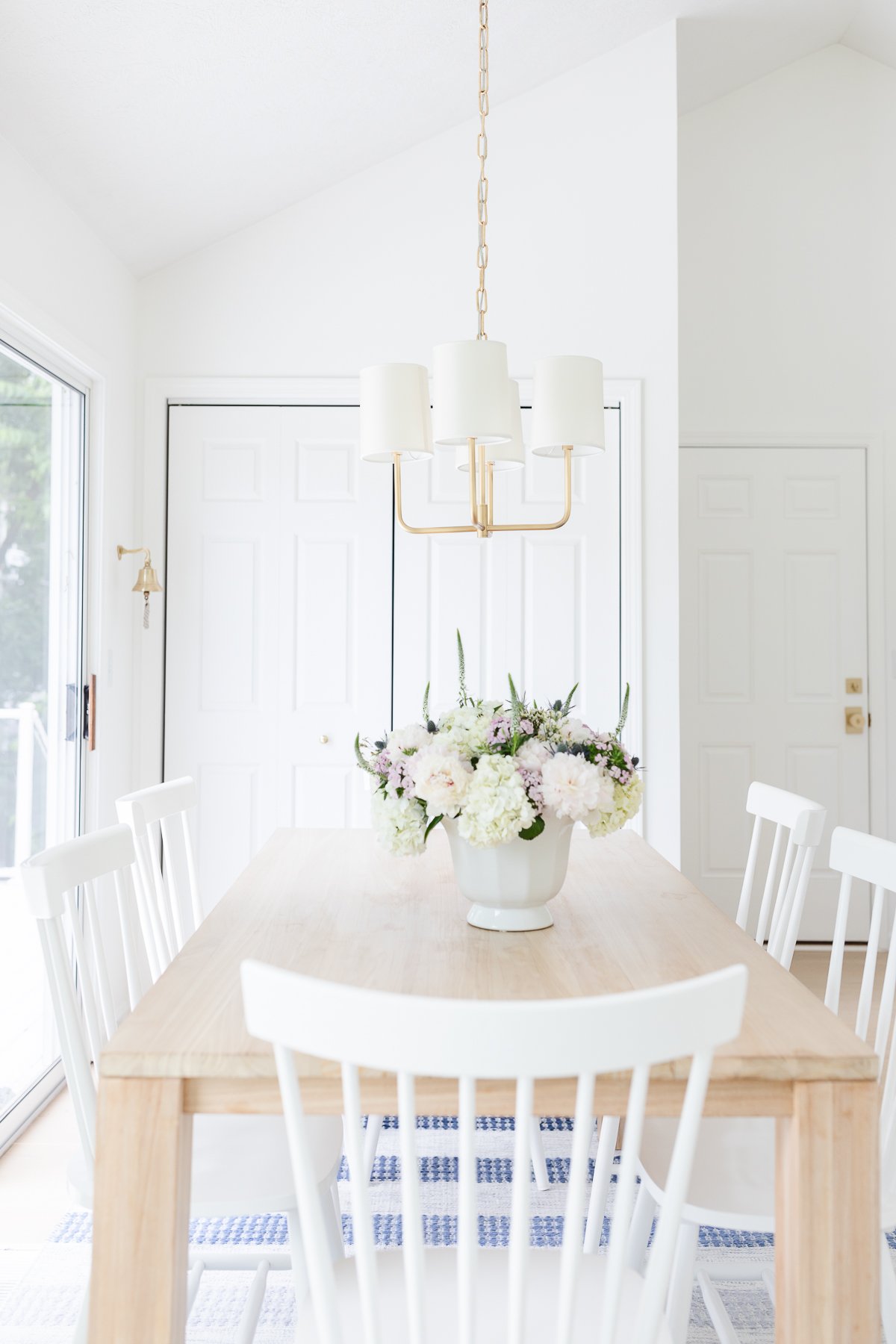
Credit: julieblanner.com
Frequently Asked Questions
Can I Paint A Teakwood Dining Table Without Sanding?
Yes, but sanding ensures better paint adhesion and a smoother finish. Light sanding removes the teak’s natural oils, helping the paint bond well.
What Type Of Paint Works Best On Teakwood Tables?
Use oil-based or acrylic paints designed for wood. These paints resist wear and moisture, preserving your teak table’s durability.
Will Painting Teakwood Affect Its Natural Beauty?
Painting covers the teak’s grain and natural color. If you prefer the wood’s look, consider staining or sealing instead of painting.
How Do I Prepare Teakwood Before Painting?
Clean the surface thoroughly, sand lightly, and remove dust. Proper preparation ensures the paint adheres well and lasts longer.
Conclusion
Painting your teakwood dining table can refresh its look. Choose the right paint and prepare the surface well. Remember, teak is oily, so cleaning is key. Use primer to help paint stick better. Paint in thin layers for a smooth finish.
Let each coat dry before adding the next. Taking time ensures a lasting and beautiful result. A painted teak table can match your style perfectly. Enjoy your updated furniture with pride and care.