
Choosing the right size for your bathroom mirror can make a big difference in how your space looks and feels. Too small, and it might look out of place; too big, and it can overwhelm the room.
You want a mirror that fits perfectly with your style and needs. You’ll discover simple tips to help you pick the ideal mirror size that enhances your bathroom’s beauty and function. Keep reading to find out how to transform your bathroom with the perfect mirror choice.
Credit: bfymirror.com
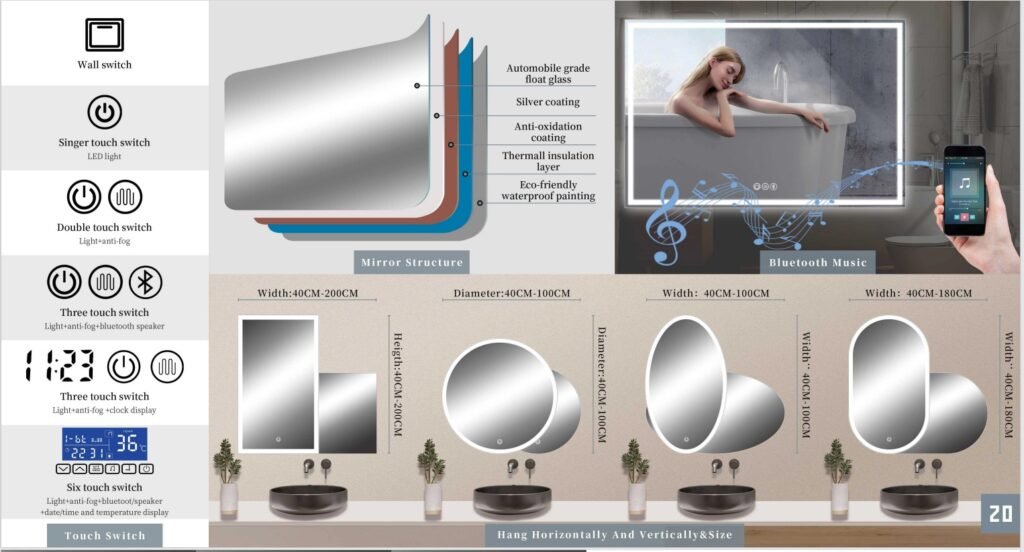
Choosing The Right Mirror Shape
Choosing the right mirror shape is key for your bathroom style. The shape affects both looks and function.
Different shapes suit different spaces. Think about your bathroom size and design.
Round Vs. Rectangular
Round mirrors add softness to a bathroom. They work well in small spaces and create a modern feel.
Rectangular mirrors offer a classic look. They often provide more viewing area and fit well above sinks.
- Round mirrors soften sharp edges.
- Rectangular mirrors give more mirror space.
- Round mirrors suit contemporary styles.
- Rectangular mirrors fit traditional bathrooms.
Custom Shapes And Sizes
Custom mirrors let you match your exact bathroom style. They can be oval, hexagonal, or other shapes.
| Shape | Style | Best For |
| Oval | Elegant | Traditional or vintage bathrooms |
| Hexagonal | Modern | Unique, artistic spaces |
| Asymmetrical | Creative | Bold, personalized designs |
Assessing Bathroom Size
Choosing the right mirror size depends on your bathroom space. A well-sized mirror fits the room and improves its look.
Measure your bathroom carefully. This helps pick a mirror that matches the size and style.
Small Bathrooms
In small bathrooms, space is limited. A large mirror might crowd the room.
Pick a mirror that fits above the sink without taking too much wall space. A wide but not tall mirror works well.
- Measure the wall above your sink
- Choose a mirror slightly smaller than the width of the sink
- Use a thin frame or frameless mirror to save space
- Consider vertical mirrors if the wall is narrow
Large Bathrooms
Large bathrooms have more wall space for bigger mirrors. A large mirror can fill empty walls nicely.
Choose a mirror that matches the size of your vanity or the wall space above it. Bigger mirrors add light and style.
- Measure the length of your vanity or wall
- Pick a mirror that is close to the vanity width
- Consider double mirrors for double sinks
- Use framed mirrors to add design interest
Proportion And Balance
Choosing the right size for a bathroom mirror is important. It helps the space feel balanced and looks good.
A well-sized mirror matches the vanity and room size. This creates harmony in the bathroom design.
Mirror To Vanity Ratio
The mirror should fit well above the vanity. It should not be too small or too big.
A good rule is to make the mirror about two-thirds to the same width as the vanity. This keeps the look balanced.
- If the vanity is 36 inches wide, the mirror should be 24 to 36 inches wide.
- Leave some space on each side of the mirror for a neat look.
- Make sure the mirror height fits the wall space well.
Ceiling Height Considerations
Tall ceilings change how big the mirror should be. A small mirror can look lost on a tall wall.
Choose a taller mirror for high ceilings. It fills the space and keeps balance between the wall and vanity.
- For ceilings over 9 feet, add extra height to the mirror.
- Keep the mirror’s top edge close to light fixtures or trim lines.
- Leave enough space between the mirror and ceiling for a clean look.
Placement Above The Sink
Choosing the right size for a bathroom mirror is important. The mirror should fit well above the sink.
Proper placement helps you see yourself clearly and adds style to the space.
Standard Heights
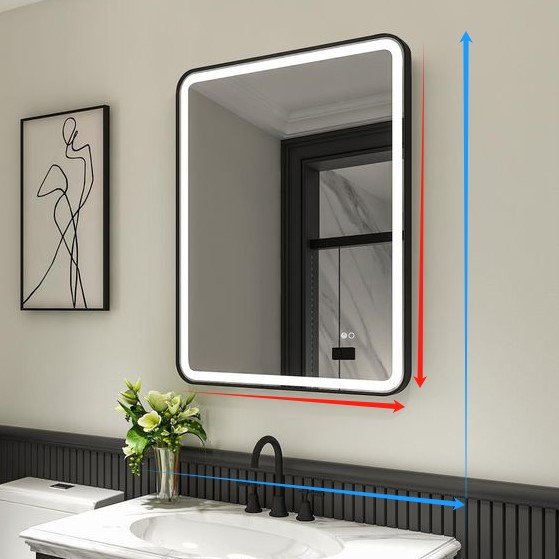
Most bathroom mirrors hang so the center is about 57 to 65 inches from the floor. This height fits most people.
The bottom edge of the mirror should be 5 to 10 inches above the sink. This keeps it safe from water splashes.
- Center of mirror: 57-65 inches from floor
- Bottom edge: 5-10 inches above sink
- Mirror width: about the same as the sink or vanity
Adjusting For Taller Individuals
Taller people need the mirror placed higher. Raise the center of the mirror to 65 to 70 inches from the floor.
Make sure the mirror bottom is still at least 5 inches above the sink to avoid water damage.
- Center of mirror: 65-70 inches from floor for tall users
- Bottom edge: minimum 5 inches above sink
- Consider a taller mirror or one with adjustable height
Functionality And Aesthetics
Choosing the right size for a bathroom mirror is important. It affects how useful and beautiful the space looks.
A good mirror size balances practical use and style. It helps you see clearly and adds charm to the room.
Reflecting Light
A properly sized mirror can make a bathroom feel brighter. It reflects natural and artificial light well.
When the mirror is too small, it limits light reflection. A larger mirror spreads light and opens up the space.
- Place the mirror near light sources for best effect
- Choose a size that covers most of the wall above the sink
- A wider mirror reflects more light than a tall, narrow one
Adding Decorative Elements
The mirror size also changes the bathroom’s style. It can be a focal point or blend with other decorations.
Choosing the right size helps balance other features like tiles, lights, and shelves. It can enhance the room’s theme.
- Large mirrors create a modern, open look
- Smaller mirrors work well with vintage or rustic styles
- Consider the frame size as part of the mirror’s overall size
Credit: bfymirror.com
Materials And Frame Choices
Choosing the right materials and frame affects both style and durability of your bathroom mirror. Consider the bathroom size and decor to pick a mirror that fits well.
Frames add personality and protect mirror edges. Frameless mirrors offer a clean look and can make small spaces feel larger.
Frameless Options
Frameless mirrors have no border around the glass. They create a sleek and modern appearance. These mirrors fit well in minimalist or contemporary bathrooms.
- Easy to clean and maintain
- Can be cut to custom sizes
- Edges may be beveled or polished for safety
- Reflect light better, making space feel bigger
- Less protection for mirror edges
Framed Mirrors
Framed mirrors come with various frame materials and styles. Frames add character and can match other bathroom fixtures.
| Frame Material | Benefits | Considerations |
|---|---|---|
| Wood | Warm, classic look; can be painted or stained | Needs sealing to resist moisture |
| Metal | Modern and sleek; durable | Can rust if not treated properly |
| Plastic or Resin | Affordable; moisture-resistant | May look less high-end |
| Composite | Varied styles; often moisture-resistant | Quality varies by brand |
Installation Tips
Choosing the right size for a bathroom mirror is important. Proper installation makes it look good and stay safe.
Follow simple tips to install your mirror correctly and avoid damage.
Tools Required
Use the right tools to make the installation easier and safer. Having everything ready saves time.
- Measuring tape to check the mirror size and wall space
- Level to keep the mirror straight
- Drill for making holes in the wall
- Screwdriver to fix screws securely
- Wall anchors for heavy mirrors
- Pencil to mark spots on the wall
- Stud finder to locate wall studs
- Safety glasses to protect your eyes
Safety Precautions
Safety is key when installing a bathroom mirror. Take care to avoid accidents and damage.
Wear safety glasses and work slowly. Check that the wall can hold the mirror weight.
- Turn off power if drilling near electrical wires
- Use wall anchors for heavy mirrors to prevent falls
- Keep the work area clean and free of tools
- Ask for help if the mirror is large or heavy
- Double-check measurements before drilling

Credit: acedecorbath.com
Frequently Asked Questions
How Do I Measure For A Bathroom Mirror?
Measure the width of the vanity or sink area first. Choose a mirror slightly smaller or equal to that width. Also, measure height from the top of the sink backsplash to the desired top mirror edge.
What Mirror Size Suits A Small Bathroom?
For small bathrooms, pick mirrors that fit the vanity width. A mirror 24 to 30 inches wide usually works well. Avoid oversized mirrors that overpower the space and reduce functionality.
Should A Bathroom Mirror Match Vanity Width?
Yes, ideally the mirror width should match or be slightly smaller than the vanity width. This creates balance and enhances the bathroom’s visual appeal. Avoid mirrors wider than the vanity.
How High Should A Bathroom Mirror Be Hung?
Hang the mirror so the center is about 57 to 65 inches from the floor. Adjust based on average user height for comfortable viewing. Ensure it’s not too high or low for daily use.
Conclusion
Choosing the right bathroom mirror size makes a big difference. It helps the space feel balanced and looks neat. Think about the wall space and your needs before buying. A well-sized mirror adds light and style to your bathroom. Take your time to measure and plan carefully.
Small steps lead to great results. Your bathroom will feel fresh and inviting with the perfect mirror size. Simple choices bring comfort and beauty every day.