
Choosing the right material for your bathroom vanity can make a huge difference in how your space looks and lasts. You want something that feels just right, fits your style, and stands up to daily use without losing its charm.
But with so many options out there, how do you know which one is truly best for you? You’ll discover the pros and cons of the top materials, helping you make a confident choice that matches your needs and budget.
Keep reading—you’re about to find the perfect match for your bathroom!
Quartz: A Durable Choice
Quartz is a popular material for bathroom vanities. It offers strength and beauty that last for years. Many homeowners prefer quartz for its tough surface.
This stone resists scratches and stains well. Quartz vanities keep their shine without much effort. It suits both modern and classic bathroom designs.
Benefits Of Quartz
- Highly durable and scratch-resistant
- Non-porous surface prevents stains
- Easy to clean and maintain
- Wide range of colors and patterns
- Does not require sealing like natural stone
Quartz’s non-porous nature stops water and germs from soaking in. This makes it hygienic for bathroom use. The material also stays cool to the touch.
Maintenance Tips
| Task | How to Do It | Frequency |
| Daily Cleaning | Wipe with a soft cloth and mild soap | Every day |
| Remove Stains | Use a non-abrasive cleaner and warm water | As needed |
| Avoid Heat Damage | Do not place hot items directly on the surface | Always |
| Prevent Scratches | Use cutting boards for sharp objects | Always |
Granite: Timeless Elegance
Granite is a popular choice for bathroom vanities. It offers a classic look that lasts for years.
This natural stone adds beauty and strength to any bathroom design. It works well with many styles.
Advantages Of Granite
Granite is very strong and can resist scratches and heat. It handles daily use with ease.
Each slab has unique patterns and colors. This makes your bathroom vanity one of a kind.
- Durable and long-lasting material
- Resists heat, stains, and scratches
- Unique natural patterns and colors
- Easy to clean and maintain
- Increases home value with its quality
Caring For Granite Surfaces
Clean granite with a soft cloth and mild soap. Avoid using harsh chemicals that can damage the surface.
Seal granite regularly to protect it from stains and moisture. This keeps it looking new longer.
- Use a gentle cleanser for daily cleaning
- Wipe spills quickly to prevent stains
- Apply a sealant every 6 to 12 months
- Avoid abrasive scrubbers and strong acids
- Use coasters and mats to protect the surface
Marble: Luxurious Appeal
Marble is a popular choice for bathroom vanities. It offers a rich and elegant look that can lift any bathroom design.
This natural stone has unique patterns and colors. Each piece of marble is different, making your vanity truly special.
Pros Of Marble
Marble has many benefits for bathroom vanities. It adds value and style to your space.
- Elegant and timeless appearance
- Variety of colors and veining patterns
- Heat resistant surface
- Increases home resale value
- Durable when sealed properly
Marble Maintenance Guidelines
Marble needs regular care to keep its beauty. It is softer than granite and can stain easily.
| Maintenance Task | Details |
|---|---|
| Sealing | Apply a high-quality sealer every 6 to 12 months |
| Cleaning | Use mild soap and water; avoid acidic cleaners |
| Stain Removal | Blot spills immediately; use a poultice for tough stains |
| Scratch Prevention | Use cutting boards and avoid abrasive tools |
| Polishing | Professional polishing every few years restores shine |
Solid Surface: Versatile And Seamless
Solid surface material is a popular choice for bathroom vanities. It offers a smooth, seamless look that fits many bathroom styles.
This material is made from a blend of natural minerals and acrylic resin. It is strong, durable, and easy to shape into custom designs.
Features Of Solid Surface
Solid surface vanities have several key features that make them stand out in bathroom design.
- Seamless appearance without visible joints
- Non-porous surface that resists stains and bacteria
- Easy to repair minor scratches and dents
- Available in many colors and patterns
- Can be molded into various shapes and sizes
- Resistant to moisture and heat
Cleaning And Care Tips
| Cleaning Task | Recommended Method | Tips |
|---|---|---|
| Daily cleaning | Use mild soap and warm water | Wipe with a soft cloth to avoid scratches |
| Removing stains | Apply a non-abrasive cleaner | Gently scrub with a soft sponge |
| Fixing scratches | Buff lightly with fine sandpaper | Polish surface after sanding |
| Avoid | Harsh chemicals and abrasive pads | These can damage the surface finish |
Laminate: Budget-friendly Option
Laminate is a popular choice for bathroom vanities. It offers a stylish look at a low price.
This material is made by layering plastic over particleboard or MDF. It is easy to clean and maintain.
Why Choose Laminate
Laminate vanities are affordable and come in many colors and patterns. They can mimic wood, stone, or other materials.
They resist stains and scratches better than some natural materials. This makes them practical for busy bathrooms.
- Low cost compared to wood or stone
- Wide variety of styles and colors
- Resistant to stains and scratches
- Easy to clean with simple products
Maintaining Laminate Vanities
Keep laminate vanities looking new by cleaning them regularly. Use mild soap and warm water for cleaning.
Avoid harsh chemicals and abrasive tools that can damage the surface. Wipe spills quickly to prevent stains.
- Clean with soft cloth and mild soap
- Do not use bleach or ammonia
- Wipe spills immediately
- Use cutting boards to avoid scratches
Tile: Customizable And Artistic
Tile is a popular choice for bathroom vanities. It offers many design options. You can create unique looks with colors and patterns.
Tiles come in many shapes and sizes. They allow you to express your style. This makes your bathroom vanity stand out.
Tile Benefits
Tiles are strong and can handle water well. They resist stains and scratches. This makes them ideal for bathroom vanities.
- Wide range of colors and patterns
- Durable and water-resistant surface
- Easy to match with other bathroom decor
- Can be cut to fit any shape or size
- Heat resistant and easy to clean
Upkeep For Tile Surfaces
Cleaning tile is simple with regular care. Use mild soap and water to keep it fresh. Avoid harsh chemicals that can damage grout.
| Cleaning Task | Recommended Method |
| Daily cleaning | Wipe with damp cloth |
| Stain removal | Use mild soap and soft brush |
| Grout care | Apply grout sealer yearly |
| Deep cleaning | Use tile-safe cleaner monthly |
Wood: Warmth And Character
Wood is a popular choice for bathroom vanities. It adds warmth and a natural feel to the space. Wood also brings character with its unique grains and colors.
Choosing wood for your vanity can create a cozy and inviting bathroom. It fits well with many styles, from rustic to modern.
Types Of Wood For Vanities
Different woods have different looks and strengths. Some woods are harder and last longer. Others have beautiful patterns and colors.
- Oak: Strong and has a classic grain pattern.
- Maple: Smooth texture with a light color.
- Cherry: Rich color that darkens over time.
- Walnut: Dark wood with a bold grain.
- Pine: Soft wood with a rustic look.
Pick a wood type that fits your style and bathroom use. Hardwoods work best for durability.
Protecting Wood From Moisture
Bathrooms are humid places. Wood can get damaged if it absorbs too much water. Protecting wood keeps your vanity looking good longer.
Use sealants or finishes that block water. Wipe off spills quickly. Good ventilation also helps reduce moisture.
- Apply waterproof sealant to all wood surfaces.
- Use paint or varnish made for bathrooms.
- Fix leaks and keep the bathroom dry.
- Clean and dry the vanity regularly.
- Choose wood with natural water resistance if possible.

Credit: www.ranneyblair.com
Concrete: Modern And Sturdy
Concrete is a popular choice for bathroom vanities. It has a modern look that fits many styles.
This material is strong and can last a long time with the right care.
Advantages Of Concrete
Concrete is very durable and can handle moisture well. It resists scratches and cracks better than some materials.
You can customize concrete with colors and shapes to match your bathroom style.
- Strong and long-lasting
- Resistant to water and stains
- Customizable shapes and colors
- Gives a modern, clean look
- Can be sealed for extra protection
Concrete Care Techniques
Cleaning concrete vanities is easy with gentle products. Avoid harsh chemicals that can damage the surface.
Sealing the concrete helps protect it from stains and water damage. Reseal every few years for best results.
- Use mild soap and water for daily cleaning
- Dry the surface to prevent water spots
- Apply a concrete sealer once or twice a year
- Fix small cracks quickly to avoid bigger damage
- Avoid abrasive scrubbers that can scratch
Glass: Sleek And Stylish
Glass bathroom vanities offer a modern and clean look. They add style and brightness to any bathroom.
These vanities come in many shapes and colors. Glass fits well with many bathroom designs.
Benefits Of Glass Vanities
Glass vanities are easy to clean and maintain. They do not absorb water like wood or stone.
They reflect light, making your bathroom look bigger and brighter. Glass is also very durable.
- Resists water and stains
- Brightens the bathroom space
- Available in many colors and styles
- Easy to maintain and clean
- Durable and long-lasting
Cleaning Glass Surfaces
Clean glass vanities with a soft cloth and glass cleaner. Avoid abrasive tools that can scratch the surface.
Wipe spills quickly to prevent spots. Use a mixture of water and vinegar for tough stains.
- Use a microfiber cloth for cleaning
- Apply glass cleaner or mild soap
- Rinse with water and dry well
- Avoid harsh chemicals and scrubbing pads
- Clean regularly to keep shine
Comparing Costs And Longevity
Choosing the right material for a bathroom vanity affects your budget and how long it lasts. Some materials cost less but wear out fast. Others are pricier but stay strong for years.
Knowing the price and durability helps you pick a material that fits your needs and wallet. This guide compares common materials used in bathroom vanities.
Price Range Insights
Bathroom vanity materials vary widely in price. Wood and plywood usually cost more than MDF or particleboard. Stone tops like marble or granite add to the total cost.
- Solid wood: $200 to $1,000+
- Plywood: $150 to $700
- MDF: $100 to $500
- Particleboard: $80 to $300
- Stone countertops: $300 to $1,500+
- Laminate countertops: $50 to $200
Durability Considerations
Durability depends on the material’s resistance to water, scratches, and wear. Wood is strong but needs sealing to prevent water damage. MDF and particleboard can swell if exposed to moisture.
Stone surfaces resist scratches and water well but can chip or crack. Laminate is less expensive but can peel or scratch over time.
- Solid wood: Lasts 10-20 years with care
- Plywood: Durable and water-resistant
- MDF: Less durable, avoid water contact
- Particleboard: Lowest durability, avoid moisture
- Stone: Very durable but can chip
- Laminate: Moderate durability, easy to replace
Eco-friendly Options
Choosing eco-friendly materials for your bathroom vanity helps protect nature. It also creates a healthier home environment.
Many sustainable materials look stylish and last long. This guide explains options and their environmental effects.
Sustainable Materials
Wood from responsibly managed forests is a top choice. Bamboo grows fast and renews quickly, making it very sustainable.
- Reclaimed wood reuses old materials, reducing waste.
- Bamboo is strong and grows without pesticides.
- Recycled metal adds durability without new mining.
- Natural stone lasts long but requires careful sourcing.
Environmental Impact
| Material | Renewability | Carbon Footprint | Durability |
| Bamboo | High | Low | High |
| Reclaimed Wood | High | Very Low | Medium |
| Recycled Metal | Medium | Medium | High |
| Natural Stone | Low | High | Very High |
Choosing materials with low carbon footprints helps reduce pollution. Durable materials mean less waste over time.
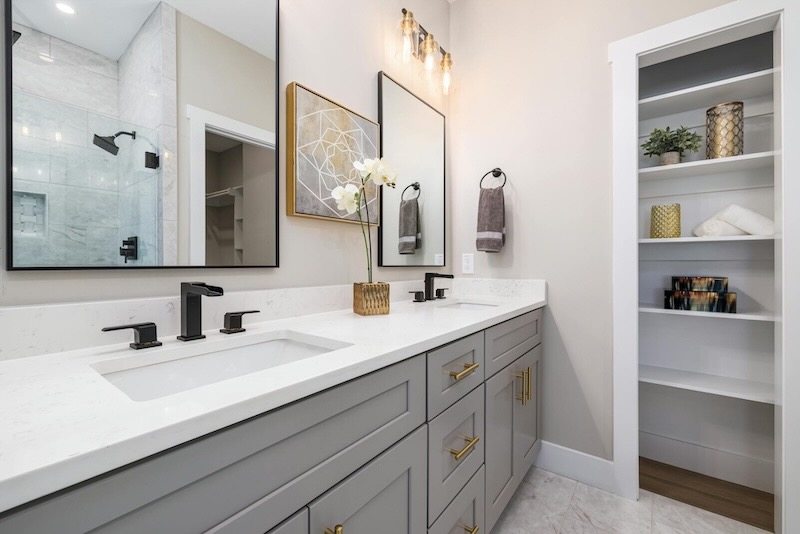
Credit: www.kitchencabinetdepot.com

Credit: www.designcafe.com
Frequently Asked Questions
What Is The Most Durable Bathroom Vanity Material?
Solid wood is the most durable material for bathroom vanities. It withstands moisture and daily wear effectively. Proper sealing enhances its lifespan, making it a long-lasting choice for bathrooms.
Are Mdf Vanities Suitable For Bathrooms?
MDF vanities are budget-friendly and smooth but less moisture-resistant. They require quality paint or laminate to protect against water damage. Ideal for low-humidity bathrooms or with proper ventilation.
Is Granite Good For Bathroom Vanity Tops?
Granite is an excellent choice for vanity tops due to its durability and resistance to heat and scratches. It adds elegance and requires minimal maintenance, making it ideal for bathroom use.
How Does Quartz Compare To Marble For Vanities?
Quartz is more durable and stain-resistant than marble. It doesn’t require sealing and withstands moisture better. Quartz offers a sleek, modern look and is easier to maintain in bathrooms.
Conclusion
Choosing the right material shapes your bathroom’s look and feel. Durability, style, and budget matter most. Wood offers warmth but needs care. Stone feels solid and lasts long. Laminate suits tight budgets and resists water. Think about daily use and cleaning ease.
The best material fits your needs and home style. Take time to compare options before deciding. Your bathroom vanity can stay beautiful for years. A smart choice brings both function and charm.