
Choosing the best countertop for your bathroom vanity can feel overwhelming. You want something that looks great, lasts long, and fits your style perfectly.
But with so many options available, how do you know which one is right for you? This guide will help you understand the pros and cons of different materials, so you can make a confident choice. Keep reading to discover the perfect countertop that matches your bathroom and your lifestyle.

Credit: www.ranneyblair.com
Popular Countertop Materials
Choosing the right countertop for bathroom vanities is important. The material affects looks, durability, and maintenance. There are many options to consider.
This guide covers five popular materials. Each has its own style and care needs. Learn what fits your bathroom best.
Granite
Granite is a natural stone known for its strength and beauty. It resists scratches and heat well. Granite countertops add a classic look to bathrooms.
It needs sealing to prevent stains. Granite can last many years if maintained properly.
Marble
Marble offers a luxurious and elegant appearance. It has unique veins and patterns that make each piece special. Marble is softer than granite and can scratch more easily.
This material needs regular sealing and care to avoid stains from water or cosmetics.
Quartz
Quartz is an engineered stone made from crushed quartz and resin. It is very durable and non-porous. Quartz resists stains and does not need sealing.
- Wide color and pattern options
- Easy to clean and maintain
- Resistant to heat and scratches
Laminate
Laminate countertops are made from layers of paper or fabric with resin. They are budget-friendly and come in many designs. Laminate is not heat resistant and can chip or scratch.
This material is easy to clean but less durable than stone options.
Solid Surface
Solid surface countertops are made of acrylic or polyester. They provide a seamless look and can be shaped easily. Solid surface materials resist stains and are repairable if scratched.
| Material | Durability | Maintenance |
| Granite | High | Needs sealing |
| Marble | Medium | Regular sealing |
| Quartz | High | Low |
| Laminate | Low | Easy cleaning |
| Solid Surface | Medium | Repairable |
Factors To Consider
Choosing the right countertop for bathroom vanities matters. It affects the look and function of your bathroom.
Think about what fits your style and daily needs. Some materials last longer and need less care.
Durability
Bathroom countertops face water, heat, and daily wear. Pick materials that stand up to these well.
Granite and quartz are tough and resist scratches. Marble looks nice but can stain easily.
Aesthetics
The look of your countertop sets the bathroom’s style. Choose colors and patterns that match your space.
- Light colors make small bathrooms look bigger.
- Dark colors hide stains better.
- Natural stone offers unique patterns.
- Solid surfaces give a clean, modern look.
Maintenance
| Material | Cleaning | Sealing Needed |
| Granite | Wipe with mild soap | Yes, yearly |
| Quartz | Use non-abrasive cleaner | No |
| Marble | Clean spills quickly | Yes, often |
| Laminate | Soap and water | No |
Cost
Prices vary widely. Budget limits may affect your choice.
- Laminate is the most affordable option.
- Granite and quartz cost more but last longer.
- Marble is usually the most expensive.
- Installation costs add to the total price.
Pros And Cons Of Granite
Granite is a popular choice for bathroom vanity countertops. It offers a natural stone look with many colors and patterns. This makes it a favorite for many homeowners.
Before choosing granite, it is important to understand its advantages and disadvantages. This helps you decide if it fits your bathroom needs and style.
Durability And Strength
Granite is very hard and durable. It resists scratches, heat, and daily wear well. This makes it a great option for a busy bathroom.
Granite needs regular sealing to prevent stains and water damage. Without sealing, it can absorb liquids and lose its shine.
- Seal the granite every 1 to 2 years
- Clean with mild soap and water
- Avoid harsh chemicals or acidic cleaners
Cost And Installation
Granite is more expensive than some other countertop materials. The cost depends on the type and thickness of the stone.
| Factor | Details |
| Material Cost | Moderate to high |
| Installation | Requires professional help |
| Longevity | Lasts many years with care |
Appearance And Style
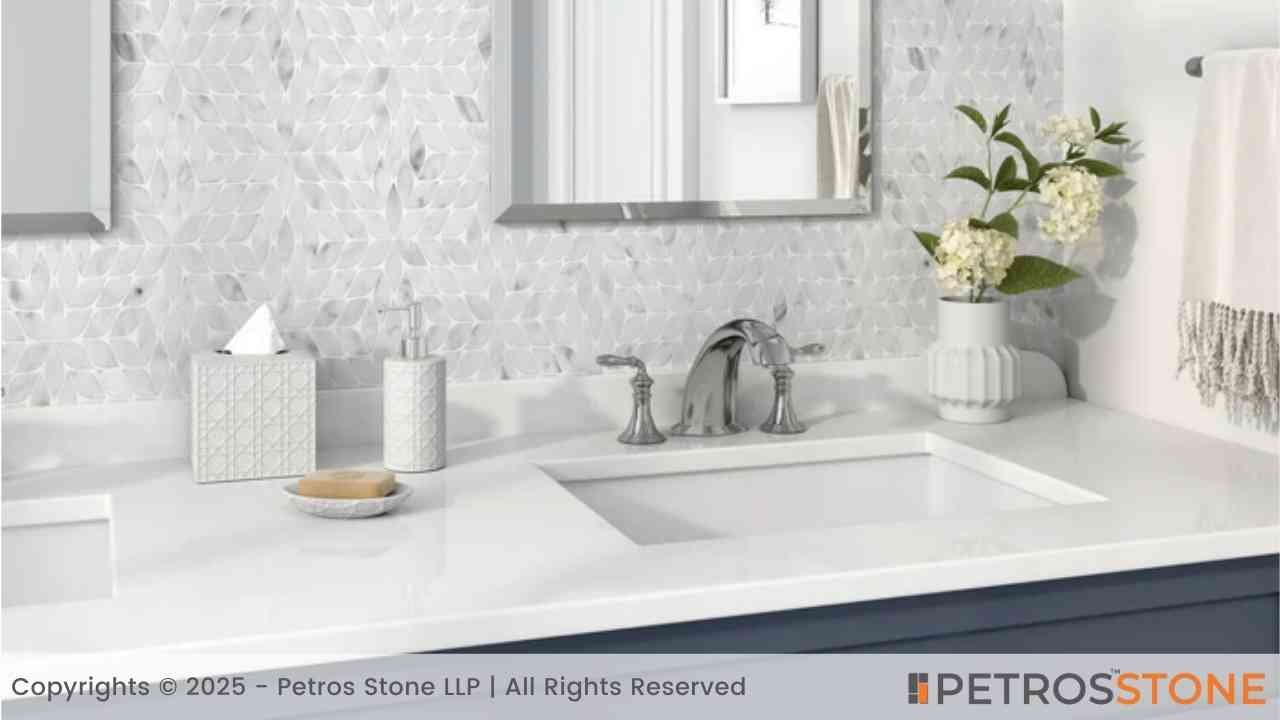
Granite offers unique patterns and colors that enhance bathroom design. Each slab is different, giving a custom look.
Tip:Choose a granite color that matches your bathroom’s color scheme for a balanced look.
Credit: petrosstone.com
Advantages Of Quartz
Choosing the right countertop for bathroom vanities is important. Quartz is a popular choice because it offers many benefits.
Quartz is a durable and low-maintenance material. It looks great and lasts a long time in any bathroom.
Durability
Quartz is very strong and resists scratches and chips. It can handle daily use without damage.
This makes quartz ideal for bathroom vanities where water and products can cause wear.
Low Maintenance
Quartz does not need sealing like natural stone. You only need to clean it with soap and water.
This saves time and effort, keeping your bathroom countertop looking new.
Variety Of Colors And Patterns
Quartz comes in many colors and patterns. You can find styles to match any bathroom design.
This helps create a unique and attractive vanity that fits your space.
Resistance To Stains And Moisture
Quartz resists stains from makeup, soap, and water. It does not absorb moisture easily.
This keeps your vanity clean and hygienic, reducing mold and mildew risks.
Consistent Appearance
Quartz is engineered for a uniform look. It has fewer natural flaws than granite or marble.
This consistency makes it easier to match pieces for larger or multiple vanities.
Marble: A Classic Choice
Marble has been a popular material for bathroom vanities for many years. Its timeless beauty adds charm to any bathroom style.
This natural stone offers unique patterns and colors that make every countertop special. It gives a sense of luxury and elegance.
Durability And Maintenance
Marble is strong but softer than granite. It can scratch and stain if not cared for properly. Sealing the surface helps protect it from water and spills.
- Clean spills quickly to avoid stains
- Use mild soap and soft cloth for cleaning
- Avoid harsh chemicals and acidic cleaners
- Reseal the surface every 6 to 12 months
Aesthetic Appeal
Marble offers a wide range of colors from pure white to deep green and black. Its natural veining creates beautiful patterns unique to each slab.
| Marble Type | Color | Common Veining |
| Carrara | White to gray | Soft gray veins |
| Calacatta | White | Bold gold or gray veins |
| Statuario | White | Sharp gray veins |
Cost Considerations
Marble tends to be more expensive than other countertop materials. Prices vary by type, thickness, and origin. Installation and sealing also add to the cost.
Here are some factors that affect marble cost:
- Type of marble chosen
- Size and thickness of the slab
- Complexity of installation
- Sealing and maintenance needs
Budget-friendly Options
Bathroom vanities need a countertop that looks nice and lasts long. Many budget-friendly materials fit this need. They offer good quality without high cost.
Two popular budget-friendly options are laminate and solid surface. Both offer style and durability at a lower price.
Laminate Benefits
Laminate countertops are made by layering paper or fabric with resin. They come in many colors and patterns. This makes it easy to match any bathroom style.
Laminate is easy to clean and resists stains. It can handle normal bathroom use without damage. It is also light, making installation simple.
- Affordable and cost-effective
- Wide variety of designs
- Resistant to stains and moisture
- Easy to clean and maintain
- Lightweight and easy to install
Solid Surface Features
Solid surface countertops are made of acrylic or polyester materials. They look like stone but cost less. These countertops are smooth and seamless.
This material repairs well if scratched. It also resists mold and mildew. Solid surface is a good choice for a clean bathroom look.
- Affordable alternative to natural stone
- Seamless with no visible joints
- Easy to repair minor scratches
- Non-porous and resists mold
- Variety of colors and patterns
Eco-friendly Countertops
Choosing eco-friendly countertops helps protect the environment. These materials reduce waste and use renewable resources.
Bathroom vanities with eco-friendly surfaces bring style and sustainability together.
Recycled Materials
Recycled countertops use materials like glass, paper, and metal. They keep waste out of landfills and save natural resources.
- Recycled glass counters offer bright colors and shine.
- Paper composite counters are strong and water-resistant.
- Metal-infused surfaces add a modern look.
- These materials require less energy to produce.
Bamboo
Bamboo grows fast and is a renewable resource. It makes durable and natural-looking countertops.
| Feature | Benefit |
| Renewable | Grows quickly and regrows after harvest |
| Durability | Resists moisture and scratches |
| Appearance | Warm, natural wood grain look |
| Maintenance | Easy to clean and maintain |
Installation Tips
Choosing the right countertop for your bathroom vanity is important. Proper installation makes it last longer and look great.
This guide covers tips for hiring a professional and things to know if you decide to install it yourself.
Choosing A Professional
A professional installer has the tools and experience to fit your countertop perfectly. They prevent damage and save time.
- Look for certified or well-reviewed installers
- Ask about their experience with your countertop material
- Request a clear estimate before work starts
- Confirm their warranty and cleanup policies
- Schedule installation when your bathroom is ready
Diy Considerations
Installing your countertop yourself saves money but needs careful planning. Know your limits and gather the right tools.
| Task | Tip |
| Measuring | Use a tape measure twice for accuracy |
| Cutting | Wear safety gear and use proper saw blades |
| Sealing | Apply sealant evenly to prevent water damage |
| Mounting | Check level and secure with strong adhesive or brackets |
| Cleaning | Clean spills immediately to avoid stains |
Maintenance And Care
Choosing the best countertop for bathroom vanities is only part of the task. Proper care keeps it looking new for years. Understanding how to clean and protect your surface matters.
Different materials need different care methods. Regular maintenance helps avoid damage and costly repairs. Let’s explore good cleaning habits and ways to prevent harm.
Cleaning Routine
Clean your bathroom vanity countertop daily to remove dirt and stains. Use mild soap and warm water for most materials. Avoid harsh chemicals that can dull or damage the surface.
- Wipe spills immediately to prevent staining.
- Use a soft cloth or sponge to clean the surface.
- Dry the countertop after cleaning to avoid water spots.
- For natural stone, use pH-neutral cleaners designed for stone.
- Avoid abrasive pads that can scratch the surface.
Preventing Damage
Protect your countertop from heat, scratches, and moisture. Use trays or mats under toiletries and hot tools. Avoid cutting directly on the surface to keep it smooth.
| Type of Damage | How to Prevent |
| Heat marks | Place heat-resistant mats under hair tools |
| Scratches | Use cutting boards and avoid sliding heavy objects |
| Water damage | Wipe water spills quickly and seal porous materials |
| Stains | Clean spills immediately and avoid harsh chemicals |

Credit: enthrallinggumption.com
Trends In Bathroom Vanities
Bathroom vanities have changed a lot in style and materials. Choosing the right countertop is important for both look and function. Trends show a mix of modern design and fresh color ideas.
This guide covers popular modern designs and color trends. It helps you pick the best countertop for your bathroom vanity.
Modern Designs
Modern bathroom vanities favor clean lines and simple shapes. Countertops often use natural stone or engineered materials for durability and style.
- Quartz offers a sleek look and resists stains well.
- Marble creates a classic, elegant feel but needs care.
- Concrete tops give an industrial, modern vibe.
- Wood counters add warmth but need sealing to avoid damage.
Color Trends
Colors for bathroom vanity countertops are moving toward soft and natural tones. Light colors make small bathrooms feel bigger. Darker colors add contrast and drama.
| Color | Effect | Popular Material |
| White | Brightens space | Quartz, Marble |
| Gray | Modern and neutral | Concrete, Quartz |
| Black | Creates contrast | Granite, Quartz |
| Beige | Warm and soft | Wood, Marble |
Frequently Asked Questions
What Materials Are Best For Bathroom Vanity Countertops?
Popular materials include quartz, granite, marble, and solid surface. Each offers durability and style, with quartz being low-maintenance and granite providing natural beauty.
How To Choose A Countertop That Resists Water Damage?
Select non-porous materials like quartz or solid surface. These resist water, stains, and mold, making them ideal for humid bathroom environments.
Are Granite Countertops Suitable For Bathroom Vanities?
Yes, granite is durable and water-resistant. It adds elegance but requires periodic sealing to prevent stains and maintain its appearance.
What Is The Most Affordable Bathroom Vanity Countertop?
Laminate countertops are budget-friendly and offer various designs. They are less durable but can mimic expensive materials effectively.
Conclusion
Choosing the best countertop for bathroom vanities depends on your needs. Consider durability, style, and budget. Materials like quartz, granite, and marble offer great options. Each has benefits and care needs. Think about how much time you spend cleaning. Also, match the countertop with your bathroom’s look.
A good choice makes your space both useful and nice. Take your time to pick what fits you best. Your bathroom will feel fresh and inviting with the right countertop.