
Are you looking to brighten up your home with the best light bulbs? Choosing the right bulb can change how your rooms look and feel.
The brightest light bulbs make your space more inviting, help you see better, and even boost your mood. But with so many options, how do you know which one is right for you? Keep reading to discover the top choices for the brightest light bulbs that will transform your home instantly.
Your perfect lighting solution is just a few steps away!
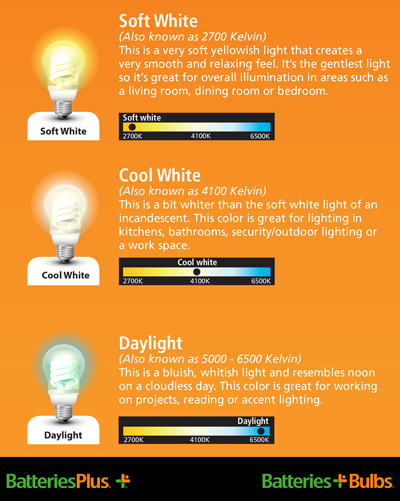
Credit: www.batteriesplus.com
Types Of Light Bulbs
Choosing the right light bulb can change how bright your home feels. Different bulbs offer different light levels and energy use. Knowing the types helps you pick the best bulb for each room.
This guide covers four common types of bulbs. Each type has unique features and brightness levels. Read on to find out which bulb suits your needs.
Incandescent Bulbs
Incandescent bulbs are the traditional light bulbs. They create light by heating a wire inside the bulb. These bulbs give warm light but use more energy than newer types. They also have a shorter life span.
Led Bulbs
LED bulbs are very energy efficient and last a long time. They use light-emitting diodes to produce bright light. LED bulbs come in many colors and brightness levels. They work well for almost any room.
- Low energy use
- Long lifespan
- Variety of colors
- Instant bright light
Cfl Bulbs
Compact Fluorescent Lamps (CFL) save energy by using less power than incandescent bulbs. They take a few seconds to reach full brightness. CFL bulbs last longer but have a cooler light tone. They contain a small amount of mercury and need careful disposal.
Halogen Bulbs
Halogen bulbs are a type of incandescent bulb with better brightness and efficiency. They produce a clear, white light that shows colors well. Halogen bulbs get hot and use more energy than LEDs or CFLs. They are often used in spotlights and outdoor lighting.
| Light Bulb Type | Energy Use | Brightness | Lifespan |
| Incandescent | High | Medium | Short |
| LED | Low | High | Long |
| CFL | Medium | Medium | Medium |
| Halogen | High | High | Medium |

Credit: www.amazon.ca
Lumens And Brightness
Choosing the brightest light bulbs for your home depends on understanding lumens. Lumens measure the brightness of a bulb. The higher the lumens, the brighter the light.
Brightness affects how well you see and how a room feels. Knowing about lumens helps you pick the right bulb for each space.
Understanding Lumens
Lumens tell you how much light a bulb gives off. They are not the same as watts, which measure energy use. A bulb with more lumens is brighter.
For example, a bulb with 800 lumens gives off about the same light as a 60-watt incandescent bulb. Different bulbs use different energy amounts but can give the same lumens.
- Low lumens (under 450) are good for dim lighting.
- Medium lumens (450-800) work for general rooms.
- High lumens (800+) suit large or work areas.
Comparing Lumens To Watts
Watts measure how much electricity a bulb uses. Lumens measure how bright the bulb is. Older bulbs needed more watts for more lumens.
Modern bulbs like LEDs use fewer watts to produce the same lumens. This means they are brighter and save energy. Always check lumens to find brightness, not watts.
| Bulb Type | Watts | Lumens (Brightness) |
|---|---|---|
| Incandescent | 60 W | 800 lm |
| CFL | 14 W | 800 lm |
| LED | 10 W | 800 lm |
Choosing The Right Brightness
Picking the right brightness for your home lights makes your space more comfortable.
Bright bulbs help you see better and set the mood for each room.
Room Functionality
Different rooms need different brightness levels. Living rooms need softer light for relaxing.
Kitchens and workspaces need bright light to help you see clearly.
- Living room: 1,500 to 3,000 lumens
- Kitchen: 4,000 to 8,000 lumens
- Bathroom: 3,000 to 4,000 lumens
- Bedroom: 1,000 to 2,000 lumens
Color Temperature Considerations
Color temperature changes how light looks and feels in a room.
Warm light feels cozy, while cool light feels bright and clear.
- 2700K to 3000K: Warm white, good for bedrooms and living rooms
- 3500K to 4100K: Neutral white, good for kitchens and bathrooms
- 5000K to 6500K: Daylight, best for workspaces and reading areas
Energy Efficiency And Cost
Energy-efficient bulbs save money and use less power. LED bulbs are a smart choice.
They last longer and cost less to run than old bulbs. Brightness does not mean more energy use.
- LED bulbs use 75% less energy than incandescent bulbs
- Look for bulbs with high lumens per watt for brightness
- Check bulb lifespan to reduce replacement costs
Top Brightest Bulb Recommendations
Choosing the brightest light bulbs helps make your home well-lit and comfortable. Bright bulbs improve visibility and can change the mood of any room.
Here are some of the best bright bulbs you can use at home. Each type offers unique benefits for different needs.
Best Led Options
LED bulbs use less energy and last longer. They provide bright, clear light that works well in all rooms.
- Philips LED 100W Equivalent – Very bright and energy-efficient
- Cree LED 75W Equivalent – Offers natural daylight color
- GE LED Bright Stik 1500 Lumens – Slim design, perfect for small lamps
Premium Incandescent Choices
Incandescent bulbs give warm and soft light. They are less efficient but still popular for cozy areas.
| Bulb Model | Wattage | Brightness (Lumens) |
| Sylvania 100W Clear | 100W | 1600 |
| GE Reveal 75W | 75W | 1100 |
| Philips Soft White 60W | 60W | 800 |
Efficient Cfl Picks
CFL bulbs are energy savers with good brightness. They take a few seconds to reach full light.
- GE Spiral CFL 100W Equivalent – Bright and lasts long
- Philips 60W Equivalent CFL – Warm white color
- EcoSmart 75W CFL – Balanced brightness and efficiency
Installation Tips For Optimal Lighting
Choosing the brightest light bulbs can improve your home’s lighting. Proper installation helps you get the best results.
Follow these tips to place, adjust, and use your bulbs safely and effectively.
Proper Placement
Put bulbs where they light the room evenly. Avoid placing bright bulbs too close to walls or reflective surfaces.
- Use ceiling fixtures for general lighting
- Place task lights near work areas like desks
- Use accent bulbs to highlight art or shelves
- Keep bulbs away from curtains and flammable materials
- Adjust height to reduce glare in eyes
Dimming Options
Dimming allows you to control brightness and save energy. Make sure your bulbs support dimming before installing dimmer switches.
| Type of Bulb | Dimmable | Recommended Dimmer |
| LED | Yes | LED-compatible dimmer |
| Incandescent | Yes | Standard dimmer |
| Fluorescent | No (usually) | Not recommended |
Safety Precautions
Follow safety rules to avoid accidents. Turn off power before changing bulbs or fixtures.
- Check bulb wattage does not exceed fixture limit
- Use bulbs rated for damp or wet areas if needed
- Do not touch bulbs with wet hands
- Dispose of broken bulbs properly
- Keep bulbs out of reach of children and pets
Future Of Home Lighting
Bright light bulbs are changing how we light our homes. New technology makes lighting smarter and more energy-friendly.
The future of home lighting means better brightness, control, and saving energy. Let’s explore what is coming next.
Smart Lighting Innovations
Smart lights let you control brightness and color from your phone. They can learn your habits and adjust automatically.
Voice control and app integration make smart bulbs easy to use. These lights can improve comfort and save energy.
- Remote control with smartphones
- Automatic brightness adjustment
- Voice assistant compatibility
- Scheduling and timers
Sustainability Trends
LED bulbs use less energy and last longer than old bulbs. This helps reduce waste and electricity costs.
Recycling programs and eco-friendly materials are growing. Sustainable lighting supports a cleaner environment.
- Energy-efficient LED technology
- Long-lasting bulbs reduce waste
- Use of recyclable materials
- Lower carbon footprint in production

Credit: www.amazon.ca
Frequently Asked Questions
What Types Of Bulbs Are Brightest For Home Use?
LED bulbs are the brightest for home use. They offer high lumens with low energy consumption. LEDs last longer and produce less heat. They provide clear, bright light ideal for various rooms.
How Many Lumens Do Bright Home Bulbs Need?
Bright home bulbs typically need 800 to 1600 lumens. For general lighting, 800 lumens is sufficient. For task areas, choose bulbs with 1200 to 1600 lumens for better visibility and comfort.
Are Led Bulbs More Energy-efficient And Bright?
Yes, LED bulbs are both bright and energy-efficient. They use up to 80% less energy than incandescent bulbs. LEDs provide consistent brightness while reducing electricity bills and carbon footprint.
Which Color Temperature Suits The Brightest Home Bulbs?
A color temperature of 4000K to 5000K suits bright home bulbs. This range offers cool white light that enhances visibility. It’s perfect for kitchens, bathrooms, and workspaces needing clear illumination.
Conclusion
Choosing the brightest light bulbs can really change your home’s feel. Bright bulbs help you see clearly and make rooms look bigger. Energy-saving bulbs last longer and cost less to use. Different rooms need different brightness levels for comfort. Always check the bulb’s brightness on the package before buying.
Bright light bulbs bring warmth and clarity to your space. Now, your home can shine just the way you want. Simple choices make a big difference in lighting.