Choosing the right bulb for your home might seem simple, but it can make a big difference in how your space looks and feels. You want lighting that’s bright enough, energy-efficient, and long-lasting—without driving up your electricity bill.
But with so many options out there, how do you know which bulb is truly the best for your needs? Keep reading, and you’ll discover exactly what to look for, helping you make a smart choice that lights up your home perfectly.
Types Of Bulbs
Choosing the right bulb for your home is important. Different bulbs have different uses and benefits.
We will look at four common types of bulbs. This will help you understand their features and uses.
Incandescent
Incandescent bulbs are the traditional light bulbs. They produce light by heating a wire inside the bulb.
These bulbs give a warm light but use more energy. They do not last very long compared to other bulbs.
Halogen
Halogen bulbs are a type of incandescent bulb. They use halogen gas to increase light output and life.
- Brighter than regular incandescent bulbs
- More energy efficient than incandescent
- Produce a crisp, white light
- Can get very hot when in use
Led
LED bulbs use light-emitting diodes to produce light. They use very little energy.
| Feature | Benefit |
| Energy Use | Low, saves electricity |
| Life Span | Long, up to 25,000 hours |
| Light Quality | Bright and clear |
| Cost | Higher upfront price |
Cfl
CFL stands for compact fluorescent lamp. These bulbs use less energy than incandescent bulbs.
CFL bulbs have some special features:
- Use about 70% less energy than incandescent
- Last longer, about 8,000 hours
- Contain a small amount of mercury
- Take time to reach full brightness

Credit: www.cnet.com
Energy Efficiency
Choosing the right bulb for your home saves energy and cuts costs. Energy-efficient bulbs use less power to give bright light.
Knowing the power use and lifespan helps pick the best bulb for your needs.
Comparing Power Consumption
Different bulbs use different amounts of electricity. Lower power consumption means lower electric bills.
| Bulb Type | Power Consumption (Watts) |
|---|---|
| Incandescent | 60 W |
| Compact Fluorescent (CFL) | 14 W |
| Light Emitting Diode (LED) | 10 W |
LED bulbs use the least power for the same brightness. They save energy better than other bulbs.
Lifespan Of Different Bulbs
Bulb lifespan affects how often you replace them. Longer life means less waste and fewer purchases.
| Bulb Type | Average Lifespan (Hours) |
|---|---|
| Incandescent | 1,000 hours |
| Compact Fluorescent (CFL) | 8,000 hours |
| Light Emitting Diode (LED) | 25,000 hours |
LED bulbs last much longer than incandescent and CFL bulbs. This makes LEDs more cost-effective over time.
Lighting Quality
Choosing the best bulb for your home means thinking about lighting quality. Good lighting makes rooms look better and feels comfortable.
Many factors affect lighting quality. These include color temperature, brightness levels, and whether the bulb is dimmable.
Color Temperature
Color temperature shows how warm or cool light looks. It is measured in Kelvins (K). Lower numbers give a warm, yellow light. Higher numbers give a cool, blue light.
Warm light feels cozy. Cool light helps you see clearly and stay alert. Choose color temperature based on the room’s use.
- 2700K to 3000K: Warm, soft light for living rooms and bedrooms
- 3500K to 4100K: Neutral white for kitchens and bathrooms
- 5000K to 6500K: Cool, daylight for workspaces and garages
Brightness Levels
Brightness tells how much light a bulb gives. It is measured in lumens. Higher lumens mean brighter light. Choose brightness to match room size and task.
Too bright light can hurt your eyes. Too dim light makes it hard to see. Pick the right brightness for comfort and function.
- 800 lumens: Good for small rooms or soft lighting
- 1100-1600 lumens: Ideal for living rooms and kitchens
- 1600+ lumens: Best for large rooms or detailed tasks
Dimmable Options
Dimmable bulbs let you change light strength. You can make light softer or brighter. This adds comfort and saves energy.
Not all bulbs work with dimmer switches. Check the bulb’s label before buying. Dimmable bulbs work well in living areas and bedrooms.
- Use dimmable bulbs for flexible lighting moods
- Match bulbs with compatible dimmer switches
- Dimming helps save electricity and extend bulb life

Credit: raleighelectricians.com
Cost Analysis
Choosing the right bulb for your home involves understanding the costs. This helps you save money now and later.
We look at two key parts: the initial purchase price and long-term savings. Both affect your total expense.
Initial Purchase Price
Bulbs have different prices when you buy them. Some cost less upfront but may not last long.
LED bulbs usually cost more than incandescent or CFL bulbs at first. This can affect your budget.
- Incandescent bulbs are cheapest to buy.
- CFL bulbs cost more than incandescent.
- LED bulbs have the highest initial cost.
Long-term Savings
Long-term savings come from how much energy bulbs use and how long they last. This lowers your bills.
LED bulbs save more money over time because they use less electricity and last longer.
| Bulb Type | Average Lifespan (hours) | Energy Use (watts) | Cost Over 10 Years |
|---|---|---|---|
| Incandescent | 1,000 | 60 | High |
| CFL | 8,000 | 14 | Medium |
| LED | 25,000 | 10 | Low |
Smart Bulb Features
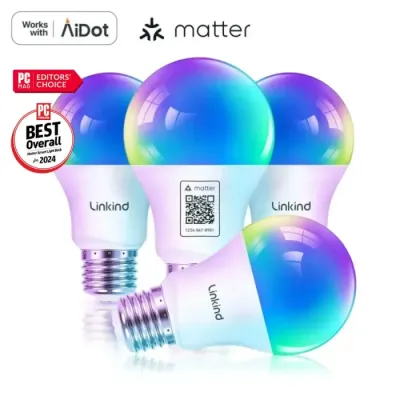
Smart bulbs bring new light options to your home. They offer easy control and many settings.
These bulbs work with devices and apps to fit your needs and style.
Integration With Smart Home Systems
Smart bulbs connect with many smart home systems. This lets you control lights with other devices.
- Works with Alexa, Google Home, and Apple HomeKit
- Syncs with home security and automation systems
- Allows group control of multiple bulbs
App And Voice Control
You can use apps to control smart bulbs from anywhere. Voice commands make it hands-free.
| Control Method | Features |
| Mobile App | Turn on/off, dim, set schedules |
| Voice Control | Use simple commands to adjust brightness |
| Remote Access | Control lights when away from home |
Customization Options
Smart bulbs offer many ways to customize light. You can change colors and set moods easily.
- Choose from millions of colors
- Adjust brightness levels smoothly
- Create timers and schedules
- Set scenes for different activities
Environmental Impact
Choosing the right bulb for your home affects the environment. Some bulbs use less energy and last longer. This reduces waste and pollution.
Understanding the environmental impact helps you pick bulbs that save energy and protect nature.
Recycling And Disposal
Some bulbs contain harmful materials like mercury. These need special recycling to avoid pollution. LED bulbs are safer and easier to recycle.
Proper disposal keeps toxic chemicals out of the soil and water. Many stores offer recycling programs for used bulbs.
- Do not throw bulbs in regular trash
- Use local recycling centers for CFL and LED bulbs
- Handle bulbs carefully to avoid breakage
Reducing Carbon Footprint
Energy-saving bulbs like LEDs use less electricity. This lowers greenhouse gas emissions from power plants. Using these bulbs helps fight climate change.
Long-lasting bulbs need fewer replacements. This reduces waste and saves resources used to make new bulbs.
- Choose LED bulbs for highest energy efficiency
- Turn off lights when not in use
- Use natural light during daytime
Room-by-room Recommendations
Choosing the right light bulb improves each room’s look and feel. Different rooms need different light qualities.
This guide helps you pick the best bulb for every room in your home.
Living Room Lighting
Use warm white bulbs in the living room for a cozy feel. Soft light helps everyone relax and enjoy the space.
Kitchen And Dining Areas
Bright and clear light is best for kitchens and dining rooms. It helps with cooking and eating activities.
- Choose bulbs with a color temperature of 4000K to 5000K for bright white light.
- Pick LED bulbs for energy savings and long life.
- Use dimmable bulbs to adjust brightness during meals.
Bedroom Ambiance
Soft, warm light creates a relaxing mood in bedrooms. It helps prepare your body for sleep.
| Bulb Type | Color Temperature (Kelvin) | Effect |
| Incandescent or Warm LED | 2700K – 3000K | Calming and cozy light |
| Smart Bulbs | Adjustable | Change colors and dim for comfort |
Bathroom Illumination
Bathrooms need bright, clear light for grooming and safety. Use bulbs that show colors well.https://zenhousefix.com/2025/08/24/how-high-above-bathroom-sink-to-hang-mirror/
Here are tips for bathroom lighting:
- Choose bulbs with a high CRI (Color Rendering Index) above 80.
- Use cool white bulbs around 3500K to 4100K.
- Place lights near mirrors to reduce shadows.
Credit: www.aidot.com
Frequently Asked Questions
What Type Of Bulb Is Best For Energy Savings?
LED bulbs are the best for energy savings. They use up to 80% less energy than incandescent bulbs. LEDs also last longer, reducing replacement costs. Choosing LED bulbs helps lower your electricity bill and supports environmental sustainability.
Which Bulb Provides The Best Lighting Quality At Home?
LED bulbs offer excellent lighting quality with bright, consistent light. They come in various color temperatures to suit different rooms. LEDs do not flicker or emit harsh glare, making them ideal for comfortable home lighting.
Are Led Bulbs Safe For Indoor Use?
Yes, LED bulbs are safe for indoor use. They produce minimal heat, reducing fire risks. LEDs contain no harmful mercury, unlike CFLs. Their durability and low voltage operation make them ideal for home environments.
How Do Led Bulbs Compare In Cost To Traditional Bulbs?
LED bulbs have a higher upfront cost but save money long-term. They consume less energy and last longer than incandescent bulbs. Over time, the savings in electricity and replacements outweigh the initial investment.
Conclusion
Choosing the right bulb matters for your home’s comfort and cost. LED bulbs save energy and last longer than others. They also give bright, clear light for daily tasks. Consider the room’s purpose and your budget before buying. Soft white bulbs create a warm, cozy feel.
Cool white bulbs work well in kitchens and offices. Pick bulbs that suit your needs and style best. Bright light and low energy use bring good value. Simple choices make your home brighter and happier.