
Are you looking to transform your blank walls into a stunning display that reflects your personality? Knowing how to arrange a wall gallery can turn any room from plain to captivating.
But where do you start? How do you make sure your pictures, frames, and art pieces come together in a way that feels balanced and meaningful? This guide will walk you through simple steps to create a wall gallery that grabs attention and makes your space truly yours.
Keep reading, and you’ll discover easy tricks to design a gallery wall that looks professional and inviting—without the stress.
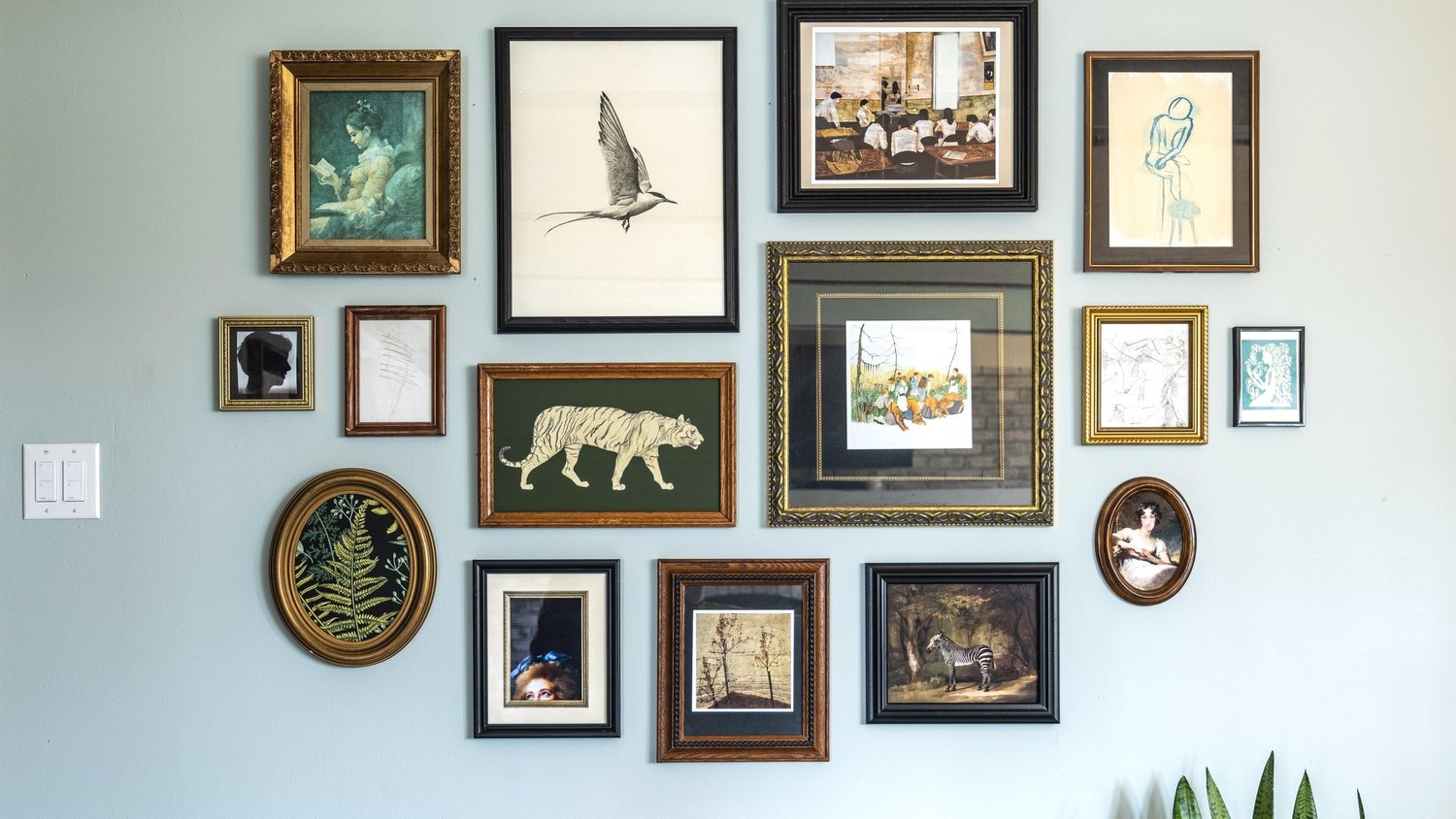
Credit: www.oliveandjunehome.com
Choosing The Right Wall
Choosing the right wall is key to arranging a beautiful wall gallery. The wall sets the stage for your art and photos.
Think about space, light, and what draws the eye before you start hanging frames.
Consider Wall Size And Shape
Measure the wall carefully. Large walls can hold many pieces. Small walls need fewer frames or smaller art.
- Wide walls fit horizontal layouts well.
- Tall walls work best with vertical arrangements.
- Odd shapes may need custom frame placement.
- Empty corners can become cozy art spaces.
Identify Focal Points
Find where people naturally look first in the room. This spot is your focal point for the gallery.
| Focal Point Type | Examples |
| Architectural | Fireplace, large window, built-in shelves |
| Furniture | Sofa, dining table, desk |
| Lighting | Chandelier, floor lamp, wall sconce |
Evaluate Lighting Conditions
Good lighting shows off your gallery. Check natural and artificial light on the wall.
- Avoid direct sunlight to prevent fading.
- Use soft overhead lights for even glow.
- Consider picture lights for highlights.
- Watch for glare on glass frames.
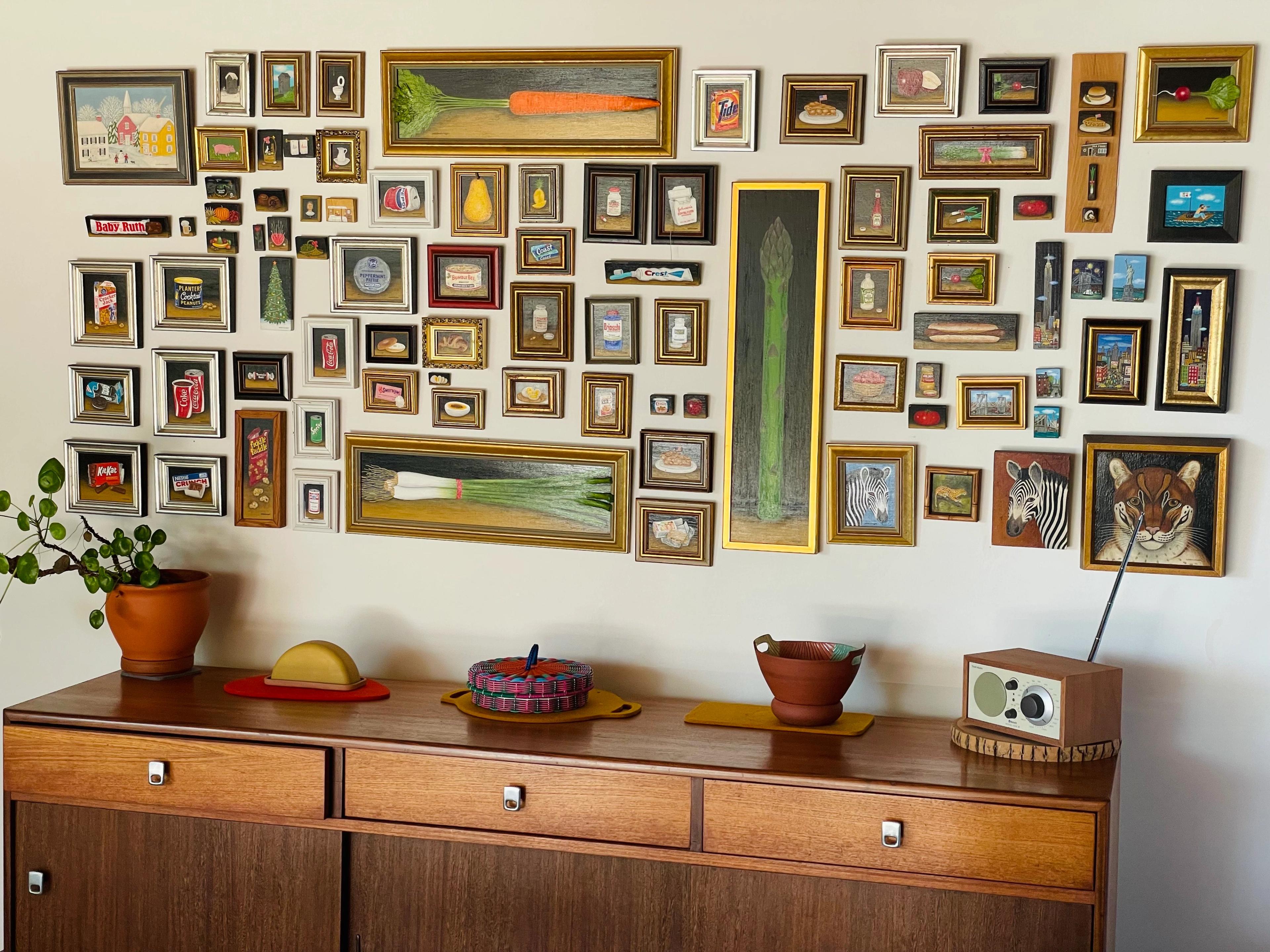
Credit: schoolhouse.com
Selecting Art And Frames
Choosing the right art and frames is key to a great wall gallery. It sets the tone and style of your space.
Think about what you want to show and how the frames will support your art pieces.
Mixing Different Art Styles
Mixing styles adds personality to your gallery. Combine modern, classic, or abstract art to create interest.
- Use art that shares a similar theme or color scheme
- Mix bold and subtle pieces for balance
- Include photographs, paintings, and prints for variety
- Keep some white space around each piece
Coordinating Frame Colors And Materials
Frame choices affect the look of your wall gallery. Matching colors and materials can unify your display.
| Frame Color | Material | Best Art Style |
|---|---|---|
| Black | Wood or metal | Modern and abstract |
| White | Wood or plastic | Minimalist and photography |
| Natural wood | Wood | Classic and rustic |
| Gold or silver | Metal | Traditional and elegant |
Balancing Sizes And Shapes
Balance different sizes and shapes to create a pleasing arrangement. Avoid placing all large pieces together.
- Mix square, rectangular, and circular frames
- Place large pieces in the center or at eye level
- Fill gaps with smaller art or decorative items
- Try to keep even spacing between frames
Layout Planning Techniques
Arranging a wall gallery can change the look of any room. Planning the layout helps keep the display neat and balanced.
Use different styles to fit your space and taste. Each style has its own way to make the gallery stand out.
Grid And Symmetrical Arrangements
This style uses equal spacing and size for each frame. It creates a clean and organized look that fits many rooms.
- Choose frames of the same size and shape.
- Measure the wall space to keep equal gaps.
- Use a level tool to align the frames perfectly.
- Plan the number of rows and columns before hanging.
Salon Style Clusters
Salon style means grouping many frames close together. The shapes and sizes can vary, creating a lively and artistic feel.
| Tip | Details |
|---|---|
| Start with a central piece | Place the largest or most eye-catching frame in the middle. |
| Fill around it | Add smaller frames close by to build the cluster. |
| Keep spacing tight | Use small gaps to keep the cluster cozy and connected. |
| Use paper templates | Cut paper shapes to match frame sizes and tape them on the wall to plan the layout. |
Linear And Asymmetrical Designs
Linear design means hanging frames in a line, either horizontal or vertical. Asymmetrical design uses uneven spacing and sizes for a modern look.
- Pick a line to follow, like above a sofa or hallway.
- Mix different frame sizes but keep the line clear.
- Leave uneven spaces for an artful, casual style.
- Use a measuring tape and level to keep the line straight.
Tools For Perfect Placement
Arranging a wall gallery needs careful planning. The right tools help place frames evenly and attractively.
Using simple tools can save time and avoid damage to walls. These tools make your gallery look neat and balanced.
Using Templates And Paper Cutouts
Templates and paper cutouts show the size and shape of your frames on the wall. You can move them around until you like the layout.
Cutouts help you see the full design without making holes. This lets you try different arrangements easily.
- Trace your frames on paper or cardboard
- Cut out the shapes and tape them on the wall
- Arrange and rearrange to find the best layout
- Mark spots for nails or hooks on the cutouts
Measuring And Leveling Tips
Use a tape measure to check distances between frames. Keep spaces even for a clean look.
A level tool helps keep your frames straight. Hanging crooked frames can spoil the whole gallery.
- Measure the height for each frame center
- Mark the wall lightly with a pencil
- Use a spirit level to check horizontal lines
- Measure spaces between frames to keep them equal
Temporary Fixing Methods
Temporary fixing lets you test your gallery before making holes. You can adjust placement without damage.
Use removable hooks, putty, or painter’s tape. These options hold frames lightly and are easy to remove.
- Command strips or removable hooks hold frames without holes
- Painter’s tape holds paper cutouts in place temporarily
- Sticky putty can hold lightweight frames or templates
- Try the layout for a day before final hanging
Adding Personal Touches
Arranging a wall gallery is a great way to show your style. Adding personal touches makes your space feel warm and unique.
Personal items and creative choices make your gallery special. They tell a story about who you are.
Incorporating Memorabilia
Memorabilia includes items like tickets, postcards, or small souvenirs. These pieces bring memories to your wall gallery.
Mix memorabilia with photos or prints to create a unique look. Use shadow boxes or frames to protect delicate items.
- Display concert tickets next to photos from the event
- Frame postcards from places you visited
- Add small objects like pressed flowers or coins
Mixing Art With Decorative Objects
Combine paintings or prints with decorative items. This adds texture and interest to your gallery wall.
Try placing small shelves to hold objects like vases or sculptures. This breaks the flatness of framed art.
- Use floating shelves for small plants or figurines
- Hang mirrors or clocks alongside artwork
- Include textiles like woven pieces or fabric art
Seasonal And Rotating Displays
Change your wall gallery with the seasons or your mood. Rotating art keeps your space fresh and exciting.
Store extra pieces and swap them out regularly. This lets you enjoy different styles without a permanent change.
- Use removable hooks for easy switching
- Add seasonal items like holiday cards or themed art
- Create a schedule to update your gallery every few months

Credit: thecopperwolf.com
Maintenance And Updates
Keeping your wall gallery clean and updated helps it look great for a long time. Regular care protects your artwork and keeps the display fresh.
Updating your wall gallery allows you to enjoy new pieces and change the look without starting over. This guide covers simple ways to maintain and refresh your gallery.
Cleaning And Protecting Artwork
Dust and dirt can harm your artwork over time. Clean frames and glass gently to avoid damage. Use a soft cloth or a feather duster for dusting.
Protect artwork from direct sunlight and moisture. These can cause fading and warping. Keep your gallery in a dry, shaded area to preserve colors and materials.
- Dust frames weekly with a soft cloth
- Use glass cleaner only on frame glass, not on artwork
- Keep artwork away from direct sunlight
- Avoid hanging near heaters or damp places
Refreshing The Arrangement Over Time
Change your wall gallery layout every few months. Moving pieces gives your space a new look without buying new art. It also helps you see your collection in fresh ways.
Try different shapes and groupings. You can swap frames or add new colors to match your room’s style. This keeps your wall lively and interesting.
- Rearrange frames to create new shapes
- Mix large and small pieces differently
- Try vertical or horizontal layouts
- Change frame styles or mat colors if possible
Adapting To New Additions
Add new artwork to your gallery carefully. Think about size, color, and style to keep balance. New pieces should fit well with the existing display.
Update the arrangement to include new art smoothly. You might need to move some frames or adjust spacing. This helps your gallery grow without looking crowded.
- Choose new art that matches your gallery’s theme
- Plan space before hanging new pieces
- Shift existing frames to keep balance
- Use similar frames or mats for a uniform look
Frequently Asked Questions
What Is The Best Way To Start Arranging A Wall Gallery?
Begin by selecting a theme or color scheme for your wall gallery. Lay out your frames on the floor first to visualize the arrangement. This helps ensure balance and flow before hanging anything on the wall.
How Do I Choose The Right Frames For A Gallery Wall?
Pick frames that complement your room’s style and color palette. Mixing frame styles can add interest, but keep a consistent color or material for cohesion. Size variation also enhances visual appeal.
What Is The Ideal Spacing Between Gallery Wall Frames?
Maintain 2 to 4 inches of space between each frame. This spacing keeps the gallery organized and visually balanced. Consistent gaps create a cohesive and polished look.
Can I Mix Photos And Art In A Wall Gallery?
Yes, mixing photos and artwork adds personality and depth. Balance different elements by size and color to avoid clutter. This combination creates a dynamic and engaging display.
Conclusion
Arranging a wall gallery can add charm to any room. Choose frames and art that reflect your style. Plan the layout before hanging pieces on the wall. Mix sizes and shapes to create interest and balance. Use a level and measuring tape to keep things straight.
Don’t rush the process; take time to adjust and enjoy. Your wall gallery will make your space feel warm and personal. Have fun creating your unique display!