
Your living room is the heart of your home, especially in an open plan space where it flows into the kitchen or dining area. But how do you keep it organized without losing that spacious, airy feel?
You might be struggling with clutter, unclear zones, or a lack of cozy spots to relax. This guide will show you simple, smart ways to arrange your living room so it feels both inviting and tidy. By the end, you’ll have easy steps to create a space that works perfectly for your lifestyle—and you’ll actually want to spend more time there.
Keep reading to discover how small changes can make a big difference.
Maximize Natural Light
Natural light makes an open-plan living room feel bright and spacious. It also helps improve mood and energy.
Organizing your living room to let in more light can change how the space feels. Simple changes can bring more sunlight inside.
Choose Light Colors
Light colors reflect sunlight better than dark shades. Use pale tones on walls, ceilings, and furniture to spread light around.
- Paint walls in white, cream, or soft pastels
- Use light-colored curtains or blinds
- Pick furniture with light fabrics or finishes
- Choose rugs in light shades to brighten floors
Use Reflective Surfaces
Surfaces that reflect light help bounce it deeper into the room. Mirrors and shiny materials work well for this purpose.
| Surface Type | Effect on Light |
| Mirrors | Double the light by reflection |
| Glass Tables | Allow light to pass through |
| Metallic Decor | Reflect small light spots |
| Glossy Paint | Reflects more light than matte |
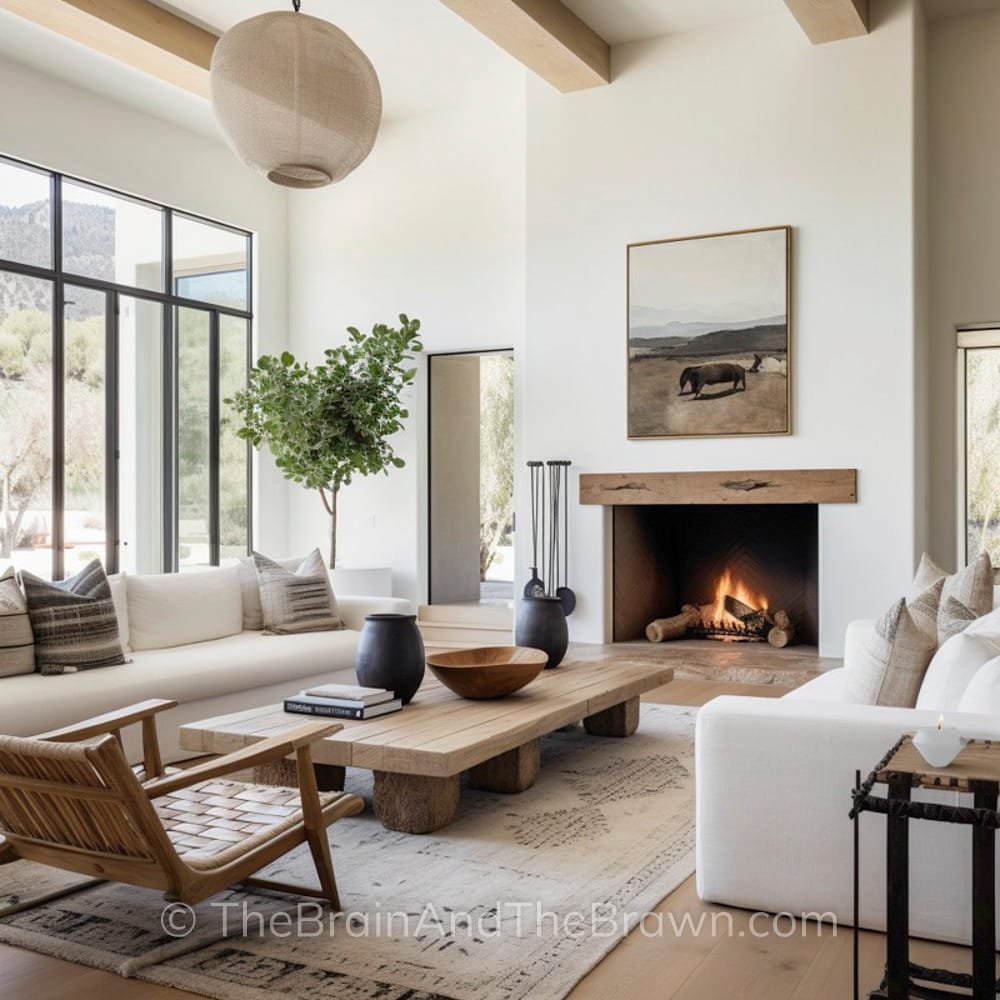
Credit: thebrainandthebrawn.com
Define Zones Clearly
In an open plan living room, clear zones help create order. Defining each area makes the space feel cozy and organized.
Zones give each part a purpose, such as relaxing, dining, or working. This helps everyone use the room easily.
Use Area Rugs
Area rugs can mark different zones in an open plan space. They add warmth and help separate the living area from other parts.
Choose rugs that fit the size of each zone. A large rug can define the seating area, while a smaller one can highlight a reading corner.
- Place rugs under key furniture pieces
- Use different colors or patterns for each zone
- Keep rugs proportional to the area size
Incorporate Furniture Placement
Furniture placement helps set clear boundaries between zones. Arrange sofas, chairs, and tables to create natural divisions.
Use furniture to block off areas without walls. This makes the open plan feel more structured and inviting.
- Face seating towards a focal point like a TV or fireplace
- Use bookshelves or cabinets as room dividers
- Leave walkways clear to connect zones smoothly
Choose Multi-functional Furniture
Multi-functional furniture is key to organizing an open-plan living room. It saves space and adds extra uses.
Choosing pieces that serve more than one purpose helps keep the room neat and flexible.
Opt For Storage Ottomans
Storage ottomans are great because they offer seating and hidden space. You can store blankets, toys, or magazines inside.
- Use ottomans as extra seats or footrests
- Store items to reduce clutter
- Choose ottomans with lids that open easily
- Pick neutral colors to match your decor
Select Foldable And Stackable Pieces
Foldable and stackable furniture helps you save space when not in use. They can be moved or stored quickly.
| Type | Benefit | Example |
| Foldable Chairs | Easy to store and move | Folding dining chairs |
| Stackable Stools | Can be stacked to save floor space | Stackable bar stools |
| Folding Tables | Compact when folded | Drop-leaf tables |

Credit: www.reddit.com
Create Vertical Storage
Using vertical space helps keep your living room tidy. It also frees up floor space in open plan areas.
Vertical storage adds style and function. You can store items without cluttering the room.
Install Floating Shelves
Floating shelves attach to walls without visible brackets. They create clean lines and open space below.
- Choose sturdy shelves for heavy books or decor.
- Place shelves at different heights for visual interest.
- Use them to display plants, photos, and small storage boxes.
- Keep shelves organized to avoid clutter.
Utilize Tall Cabinets
Tall cabinets make use of high walls. They offer large storage without taking much floor space.
| Cabinet Type | Best Use | Tips |
| Closed Tall Cabinet | Hide clutter and store large items | Choose light colors to keep room bright |
| Glass Door Tall Cabinet | Display decorative pieces or books | Arrange items neatly for a clean look |
| Open Tall Shelving | Easy access to everyday items | Use baskets to organize smaller objects |
Maintain Open Pathways
Keeping open pathways in an open-plan living room makes the space feel larger and more comfortable. Clear walkways help everyone move around easily without bumping into furniture.
This guide focuses on two important ways to keep pathways open: arranging furniture for flow and limiting clutter on floors.
Arrange Furniture For Flow
Place furniture so people can walk freely through the room. Avoid blocking doors and windows. Keep larger pieces away from main paths to allow smooth movement.
- Use sofas and chairs to define spaces without closing them off
- Angle furniture to guide movement naturally
- Leave at least 2 feet of space in walking areas
- Group furniture in conversation areas but keep pathways clear
Limit Clutter On Floors
Clear floors make pathways visible and safe. Avoid piling items on the floor near walking routes. Use storage to keep things organized and out of the way.
| Common Floor Clutter | Storage Solutions |
| Books and magazines | Bookshelves or coffee tables with storage |
| Toys | Bins or baskets |
| Blankets and pillows | Storage ottomans or shelves |
| Cords and chargers | Cord organizers or hidden outlets |
Use Room Dividers Wisely
Open plan living rooms can feel large and busy. Using room dividers helps create separate spaces.
Good dividers add style and keep the room organized without blocking light or flow.
Try Open Shelving
Open shelves divide space but still let light pass through. They keep the room airy and bright.
You can use shelves to store books, plants, or decorations. This adds personality to the space.
- Choose shelves with gaps or open backs
- Place shelves between seating areas
- Use items that match your room style
Consider Sliding Panels
Sliding panels are flexible dividers you can open or close as needed. They save space and add privacy.
Panels come in many materials like wood, glass, or fabric. Pick one that fits your room’s look.
- Use sliding panels to separate living and dining areas
- Choose light colors to keep the room bright
- Keep panels easy to slide for quick changes
Incorporate Smart Lighting
Smart lighting helps create a comfortable living room in an open plan space. It allows you to adjust brightness and color easily. You can set lights to match different moods and activities.
Using smart lighting saves energy and adds convenience. With remote controls or apps, you can control lights without moving around.
Layer Ambient And Task Lights
Layering different types of lights improves the room’s function and style. Ambient lights give overall brightness. Task lights focus on areas for reading or working.
- Use dimmable ceiling lights for soft, even glow
- Add floor lamps near seating for reading light
- Install table lamps on side tables for extra focus
- Try smart bulbs that change color and intensity
Use Space-saving Fixtures
Choose lighting that does not take up much space in the open plan living room. This keeps the area open and uncluttered.
| Fixture Type | Benefits | Best Use |
| Recessed Lighting | Fits in ceiling, saves space | Ambient light throughout room |
| Wall Sconces | Mount on walls, frees floor space | Task or accent lighting |
| Track Lights | Adjustable direction, sleek design | Highlight art or seating |
| LED Strip Lights | Thin, flexible, energy efficient | Under shelves or cabinets |

Credit: cozyliving.com.au
Personalize Without Overcrowding
Organizing your living room in an open plan space means balancing style with function. You want your space to feel personal without becoming cluttered.
Use smart choices to display your favorite items. Keep the room open and easy to move in.
Display Art Strategically
Place artwork where it draws attention but does not crowd the space. Use walls that are visible from different areas of the open plan.
- Choose one or two large pieces instead of many small ones
- Hang art at eye level for easy viewing
- Use shelves to display framed photos or small sculptures
- Leave space around art to let it stand out
Use Minimal Decorative Items
Keep decorations simple and purposeful. Too many items can make the room feel busy and cramped.
| Type of Item | Recommended Quantity | Placement Tips |
| Vases | 1-2 | Place on side tables or shelves |
| Candles | 2-3 | Group in small clusters for impact |
| Books | 5-10 | Stack neatly on coffee tables or shelves |
| Plants | 1-3 | Use to add color and life in corners |
Frequently Asked Questions
How Can I Define Zones In An Open Plan Living Room?
Use rugs, furniture placement, and lighting to create distinct zones. This helps separate the living area from dining or workspace. Visual boundaries maintain flow while defining each space clearly and functionally.
What Furniture Suits An Open Plan Living Room Best?
Choose multi-functional, low-profile furniture to maintain openness. Modular sofas, lightweight chairs, and slim tables keep the space airy and adaptable. Prioritize pieces that enhance comfort without overcrowding the area.
How To Maintain Privacy In An Open Plan Living Room?
Incorporate room dividers, curtains, or shelving units for subtle separation. Use plants or screens to create private spots without blocking light. These elements help balance openness and privacy effectively.
What Lighting Works Best For Open Plan Living Rooms?
Layer different light sources like ceiling lights, floor lamps, and task lighting. Use dimmers to adjust mood and function in each zone. Proper lighting defines areas and enhances the room’s ambiance.
Conclusion
Organizing a living room for open plan spaces can be simple. Use furniture to define areas. Choose colors that blend well together. Keep pathways clear for easy movement. Add rugs to separate spaces. Use storage solutions to avoid clutter. Opt for multi-functional furniture.
Natural light enhances the open feel. Personalize with art or plants. Balance aesthetics with function. Achieve a harmonious and practical living space. It’s all about making a welcoming environment. Enjoy the comfort and flexibility of your organized space.